


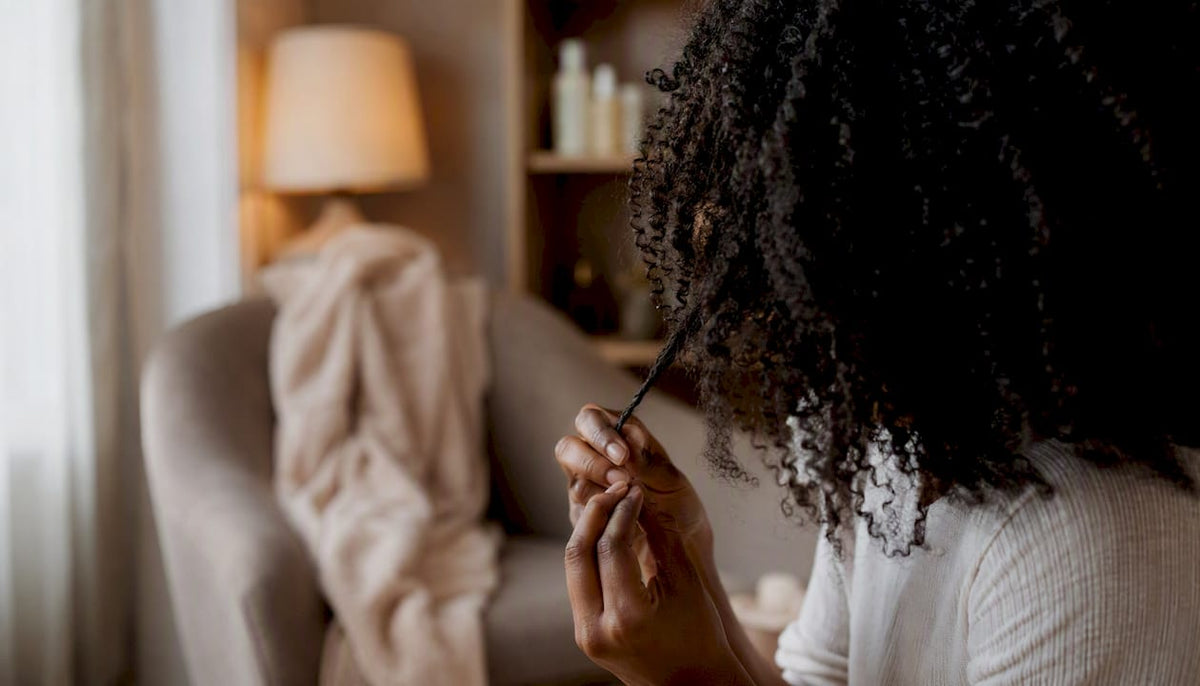
Finger detangling is exactly what it sounds like: working knots and shed strands loose with your fingers instead of a comb or brush. It’s slower than raking a comb through wet curls, but it’s also the gentlest way to separate tangles because your fingers feel resistance before hair snaps.
If you have curly, coily, or textured hair, this method usually pays off. People who switch to finger detangling routinely report less breakage and better length retention, especially on 3C to 4C curl patterns where a comb tends to rip through knots rather than work around them. Cocomera stocks several conditioners built for exactly this kind of high-slip, low-manipulation detangling, and products like Pantene Gold Series Miracle Detangler exist for the same reason: hair needs lubrication before fingers (or anything else) go near it.
Here’s the short version before you get into the how-to:
- What it is: separating tangles by hand, section by section, using touch to find and loosen knots.
- Who benefits most: 2C to 4C curl and coil patterns, plus anyone recovering from heat or chemical damage.
- Main advantage: significantly less breakage than comb or brush detangling, because you stop the moment you feel resistance instead of pushing through it.
- Main trade-off: it takes longer, sometimes a lot longer, than tool-based detangling.
Key Takeaways
Finger detangling reduces breakage by letting you feel and respond to knots instead of forcing a tool through them, and it works best on curly, coily, and textured hair when paired with a high-slip conditioner.
| Point | Details |
|---|---|
| Definition | Finger detangling means separating knots by hand, section by section, using touch instead of a comb or brush. |
| Best conditions | Wet, well-conditioned hair with several minutes of product sit-time gives the most slip and the easiest results. |
| Technique | Work in small sections, ends to roots, and ease into knots instead of pulling straight through them. |
| Common mistake | Large sections and dry, product-free detangling are the fastest routes to breakage. |
| Product support | Cocomera’s high-slip conditioners and Pantene Gold Series Miracle Detangler both add the glide finger detangling depends on. |
Table of Contents
- Why Finger Detangling Works and What It Actually Fixes
- When Should You Finger Detangle: Wet or Dry Hair?
- How to Finger Detangle: A Step-by-Step Routine
- Common Finger Detangling Mistakes That Cause Breakage
- How Long Finger Detangling Takes and How Often to Do It
- What to Look for in Detangling Products and Tools
- Expert Product Picks and Where to Find Them
- Is Finger Detangling Worth the Time? An Honest Take
- Shop Detangling Essentials That Make the Method Easier
- Frequently Asked Questions
- Sources
Why Finger Detangling Works and What It Actually Fixes
A comb doesn’t know the difference between a loose snarl and a tight, matted knot. It just keeps moving until something gives, and on textured hair, what usually gives is the hair itself. Fingers work differently. The second you hit resistance, you feel it, and you can slow down, reposition, or gently tease the knot apart instead of forcing a tool through it.
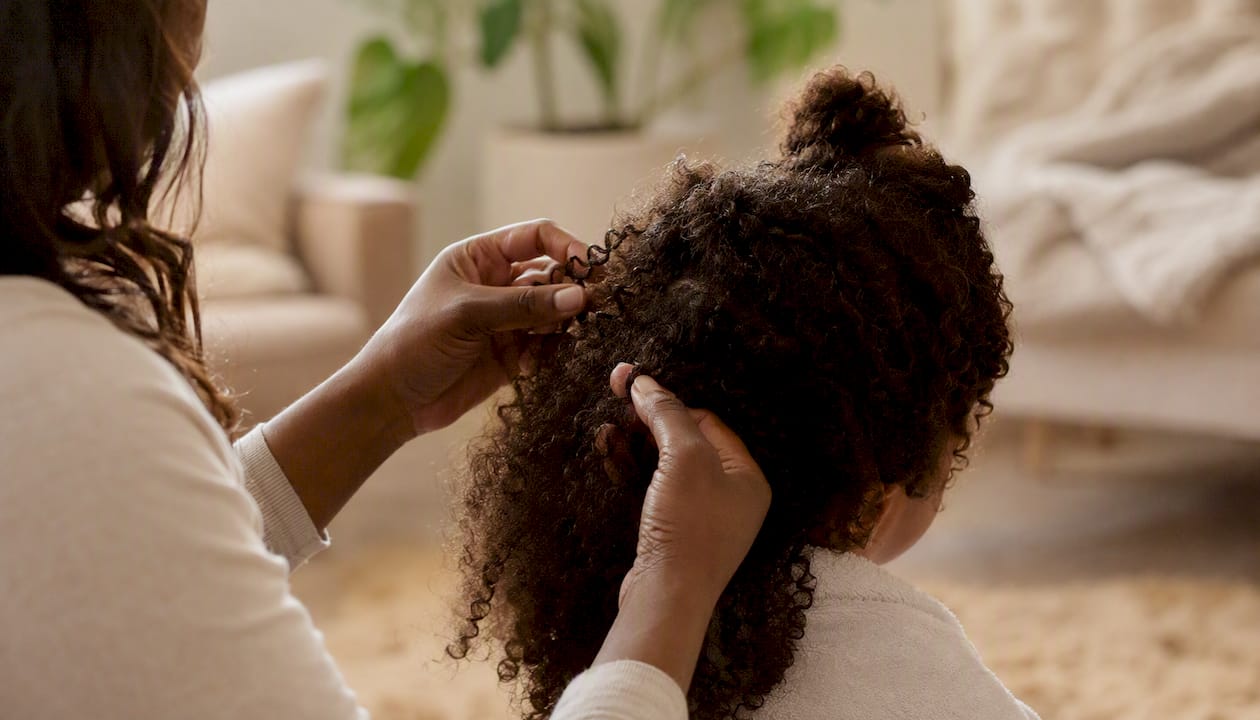
That tactile feedback is the whole mechanism, and it’s why the technique reduces breakage rather than eliminating friction altogether. Curly and coily strands already have more overlapping cuticle scales than straight hair, which is part of why they tangle in the first place. Add a rigid tool to that equation and every snag becomes a potential breakage point.
The benefits show up in a few concrete ways:
- Less breakage. You stop at the first sign of resistance instead of tearing through it.
- Better length retention over time. Fewer snapped strands means your ends survive more wash days.
- Less pain. No more wincing through a detangling session that feels like punishment.
- Cleaner shed-hair removal. Fingers pull loose, already-shed strands out without disturbing the healthy hair around them.
- More even product distribution. Working conditioner through with your fingers coats each strand instead of just skimming the surface.
Community reports back this up pretty consistently. One curl blogger who tracked a 30-day finger-detangling experiment found it noticeably reduced breakage compared to her old comb routine, and plenty of similar accounts show up across curly hair forums and blogs.
Nobody is claiming finger detangling makes tangles disappear. It’s a damage-reduction method, not a miracle fix, and it works best as a habit rather than a one-time rescue mission.
When Should You Finger Detangle: Wet or Dry Hair?
The honest answer is “it depends on your goal that day.” Wet, conditioned hair is easier to work with because water and conditioner create slip, which lets strands glide past each other instead of catching. Dry finger detangling is slower and requires more patience, but some naturals prefer it because it can preserve slightly more length by avoiding the stretch-and-snap risk that comes with pulling on wet, elongated strands.
Wet or damp detangling:
- Best when paired with a rinse-out or leave-in conditioner for maximum slip.
- Faster than dry detangling in most cases.
- Higher risk of stretching hair too far if you pull instead of easing through a knot.
Dry detangling:
- Slower, but many naturals find it protects length better since hair isn’t stretched by water weight.
- Works well as a pre-wash step to break up major tangles before you add product.
- Requires more product (oil or a light detangling spray) to reduce friction, since there’s no water-based slip to rely on.
Curl pattern matters here too. Looser 3B and 3C curls often detangle fine wet or dry, depending on personal preference. Tighter 4A to 4C coils, though, tend to do best wet and heavily conditioned, since dry coils lock onto each other more aggressively. If you’re postpartum or dealing with chemically weakened hair from color or relaxer damage, stick to wet detangling with a rich conditioner. Dry strands under that kind of stress are more prone to snapping regardless of how careful you are.
There are situations where finger detangling alone isn’t enough. Severe matting, especially the kind that’s developed over weeks of neglect or postpartum shedding, sometimes needs a stylist’s help before your fingers can do anything useful. The same goes for active scalp conditions like sores, cysts, or heavy flaking. Handle the scalp issue first, or you risk spreading irritation while you work through the hair.
How to Finger Detangle: A Step-by-Step Routine
This is the routine most curl communities converge on, and it holds up whether you’re working with loose waves or tight coils.
- Start with hydrated hair. Wet hair thoroughly and apply a generous amount of conditioner. This is not the moment to be stingy with product.
- Let the conditioner sit. Give it five to fifteen minutes to soften strands and build slip before you touch a single knot.
- Section the hair. Divide it into four to eight sections depending on density and length. Clip everything you’re not working on out of the way.
- Work one small piece at a time. Within each section, take an even smaller piece, roughly an inch or two wide.
- Detangle from ends to roots. Start at the tips and work upward. This is the opposite of how most people comb hair, but it’s the reason finger detangling causes less breakage.
- Ease into knots, don’t pull through them. When you feel resistance, stop, gently separate the strands at that point, and work the knot loose in small movements.
- Hold near the root when there’s tension. Anchoring the hair close to the scalp with your other hand protects against pulling pain and root stress.
- Rinse or move straight into styling. Once a section is fully detangled, twist or clip it and move to the next one to avoid re-tangling.
Pro Tip: Slip is the slightly slick, almost soapy glide you feel when there’s enough product on your strands. If your fingers are dragging or catching instead of sliding, you don’t have enough slip yet. Add a small amount of conditioner or a lightweight oil directly to that section rather than trying to power through with dry friction.
Two things trip people up here. First, patience. Rushing to finish faster is how knots turn into breakage. Second, overstretching wet hair. Curly and coily strands can stretch significantly when wet, and pulling too hard risks snapping strands that would have held fine if you’d eased them apart instead.
Common Finger Detangling Mistakes That Cause Breakage
Most of the damage people blame on “bad hair” actually comes down to technique. Here’s where things usually go wrong.
- Rushing through the process. Finger detangling only works because it’s deliberate. Speed defeats the purpose entirely.
- Using sections that are too large. Big chunks of hair hide multiple knots at once, and you end up yanking on all of them simultaneously.
- Skipping product entirely. Trying to detangle dry hair with no slip at all is a fast way to snap strands, especially on 4B and 4C coils.
- Pulling straight through a knot instead of working it apart. This is the single most common cause of breakage in finger detangling, and it defeats the whole point of using your hands.
- Detangling from roots to ends. This pushes tangles further down the strand and tightens them instead of releasing them.
- Ignoring shed hair buildup. Letting shed strands accumulate without removing them creates new tangles almost as fast as you clear old ones.
Some knots really are unbeatable, and that’s fine. If you’ve gently worked at a snarl for a couple of minutes and it’s not budging, it’s often less damaging to snip it out close to the knot than to keep pulling. And if you’re dealing with widespread matting, not just a few stubborn knots, that’s a sign to book a trim or a professional detangling session rather than spending hours fighting it alone. A stylist can also flag whether heavily processed or previously extension-worn hair needs extra care during detangling, which is worth knowing if you’ve recently had extensions removed or colored your hair.
How Long Finger Detangling Takes and How Often to Do It
This is where a lot of people quit before they see the benefit, so let’s set expectations honestly. For longer or denser natural hair, finger detangling can take upwards of two hours in a single session. That sounds brutal until you compare it to the time spent recovering from breakage caused by rushing with a comb.
Rough time expectations by hair type:
- Short or looser curl patterns (2B to 3A): 15 to 30 minutes.
- Medium-length, moderate density (3B to 3C): 30 to 60 minutes.
- Long or dense coily hair (4A to 4C): 45 minutes to two hours, sometimes more if it’s been a while since your last wash day.
The good news: it gets faster with practice. People who make finger detangling a regular habit consistently report shorter sessions over time, simply because fewer tangles accumulate between washes when you’re detangling regularly.
As for frequency, once per wash day is the baseline for most textured hair types. Between washes, a light finger-detangle before bed or before styling, just enough to work out the day’s shed hairs, keeps tangles from compounding into a bigger job later. Avoid detangling more than necessary on days your hair feels unusually dry or fragile. Excess manipulation on stressed hair, even gentle manipulation, adds up.
What to Look for in Detangling Products and Tools
Fingers are the primary tool here, full stop, but product choice determines whether your fingers glide or fight. The attribute that matters most is slip: how easily a product lets strands move past each other without catching.
High-slip conditioners and leave-ins are the backbone of any finger-detangling routine. Look for ingredients like fatty alcohols, natural oils, and lightweight silicones, all of which coat the strand and reduce surface friction. Cocomera’s collection of detangling conditioners leans specifically into these slip-focused formulas, and a deeper breakdown of which ingredients actually deliver that glide is worth a look if you’re rebuilding your product shelf.
A few supportive tools are worth keeping around, even though fingers stay the default:
- A wide-tooth comb, used only as a rescue tool for the very end of a section once fingers have done most of the work.
- Sectioning clips, which keep hair organized so you’re never tempted to skip ahead to a bigger, unwieldy chunk.
- A detangling brush, optional and best saved for finishing touches, not the main job of breaking up knots.
Here’s how the main product types stack up for this specific job:
| Product type | Best used on | Main benefit |
|---|---|---|
| Rinse-out conditioner | Wet hair | High slip, deep hydration, ideal for the bulk of detangling |
| Leave-in detangler spray | Wet or dry hair | Portable, quick slip boost for touch-ups or dry sessions |
| Lightweight oil | Dry hair, spot treatment | Adds glide to stubborn sections without full rewetting |
For a deeper dive into how hydration levels affect all of this, Cocomera’s guide on why hair needs moisture breaks down the science in plain terms.
Expert Product Picks and Where to Find Them
Cocomera exists specifically to help people with wavy, curly, coily, and afro-textured hair find products that actually match their curl pattern, instead of guessing through a wall of generic options. Detangling is one of the clearest places where the right formula changes everything.
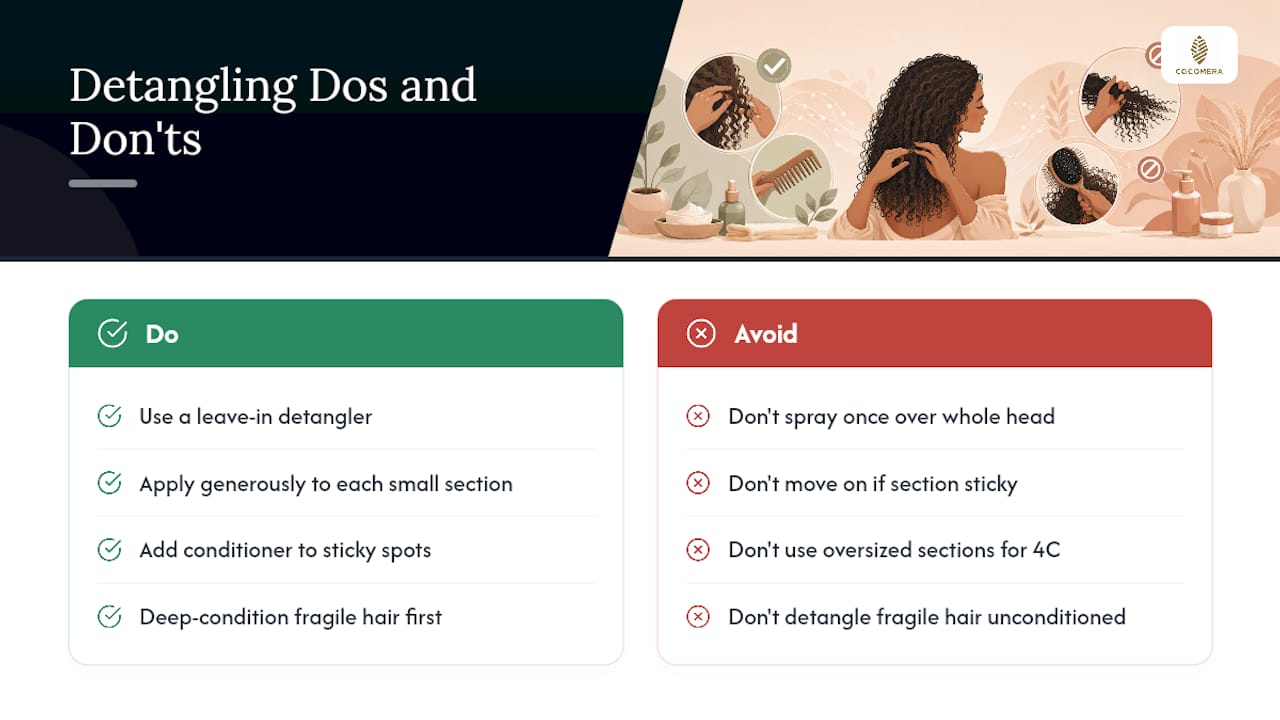
Pantene Gold Series Miracle Detangler is a solid example of a product built with exactly the kind of slip finger detangling needs, formulated with textured hair in mind rather than as an afterthought. Used as a leave-in before you start sectioning, it cuts down on the amount of teasing your fingers need to do at each knot. If you’re working with 4B or 4C coils, applying it generously to each small section, rather than spraying once over the whole head, makes the biggest difference in how much resistance you feel.
Pro Tip: If a section still feels sticky or resistant halfway through, don’t move on. Add a small amount of extra conditioner or detangler right to that spot rather than trying to finish with what’s left on your fingers from an earlier section.
Pro Tip: For 4C hair specifically, cut your sections smaller than you think you need to. What feels like an appropriately small piece for 3B hair is often still too large for tight coils, and oversized sections are the number one reason 4C detangling sessions run long and end in breakage.
For hair that’s already fragile from color treatments or heat damage, pairing your detangling routine with a proper deep conditioning treatment beforehand gives your fingers a much easier job. A partner resource on science-backed natural hair care covers why moisture retention is the foundation everything else in a detangling routine depends on.
Is Finger Detangling Worth the Time? An Honest Take
Finger detangling isn’t glamorous, and it’s not fast. What it is, consistently, is the gentlest option available for textured hair that breaks easily under a comb. The patience it demands is the entire trade, and most people who commit to it for a few weeks notice their ends holding up better than they expected.
Reddit threads and curl blogs are full of the same story: skeptical at first, frustrated by the time commitment, then converted once they see fewer strands on the shower floor and fewer knots forming week over week. That’s not a miracle transformation. It’s a slow, cumulative reduction in damage, which for curly and coily hair is often the whole game. Length retention rarely comes from one dramatic change. It comes from removing small sources of breakage, over and over, until the damage stops outpacing the growth.
If your hair is severely matted, or if you’re noticing scalp irritation, redness, or sores underneath the tangles, skip the DIY approach and see a stylist. No amount of patience with your fingers fixes a scalp problem, and forcing through matting that extensive risks damage no technique can prevent.
Shop Detangling Essentials That Make the Method Easier
There are other ways to manage tangles, a fine-tooth comb here, a detangling brush there, but none of them give you the control your own fingers do. What a good product lineup does is make that control easier to use, which is where Cocomera’s curated selection comes in.
Cocomera stocks conditioners and leave-ins chosen specifically for their slip on wavy, curly, coily, and afro hair types, so you’re not stuck testing five random bottles before finding one that actually glides. Pair a high-slip conditioner with the step-by-step routine above and most wash-day detangling sessions get noticeably shorter within a few weeks. You don’t need anything fancy to start. Just hair, water, and a conditioner formulated for texture, though a dedicated detangler adds a real speed boost when your coils are tighter or your hair hasn’t seen much moisture lately.
Browse Cocomera’s detangling conditioners and pick one that matches your curl pattern before your next wash day. Your fingers will do less work, and your ends will thank you for it.
Frequently Asked Questions
What is finger detangling exactly? It’s the practice of removing knots and tangles from hair using only your fingers, relying on touch to find and loosen resistance instead of pulling a comb or brush through it.
Is finger detangling effective compared to using a comb? For curly, coily, and textured hair, yes, generally more effective at preventing breakage, since you stop the moment you feel resistance rather than forcing a tool through a snag.
How do I finger detangle without causing breakage? Work on wet, conditioned hair in small sections, start from the ends and move toward the roots, and ease gently into any knot rather than pulling straight through it.
Should I finger detangle wet or dry hair? Wet hair with conditioner is easier and faster because of the slip, though dry detangling can preserve slightly more length for some curl patterns when done carefully.
How often should I finger detangle my hair? Once per wash day is standard for most textured hair, with light touch-ups between washes if shed hairs start accumulating.
What does “slip” mean in a detangling product? Slip refers to how easily your fingers glide through hair with a product on it, that slick, smooth feeling that means strands are gliding rather than catching on each other.
Sources
- Finger Detangling Curly Hair: My 30-Day Method Without Breakage
- BHI postcard tips: finger detangling your hair
- How to Detangle Curly Hair With Your Fingers - L’Oréal Paris
- How to Finger Detangle Type 4b / 4c Natural Hair


