



A winter wash and go works when you treat moisture like the whole point, not an afterthought: deep condition first, style on soaking-wet hair with a leave-in and defining styler, dry most of the way before you step outside, then protect the result with satin. Cold weather itself will not make you sick since colds come from viruses, not wet hair, but walking out dripping in freezing air can leave strands brittle and prone to breakage.
Table of Contents
- Prep Your Wash Day for Winter Conditions
- How Should You Style Curls for Winter Hold?
- What Is the Best Way to Dry Curls Before Going Outside?
- How Do You Refresh a Wash and Go Without Rewetting It?
- Which Cocomera Products and Guides Round Out This Routine?
- What Winter Wash and Go Advice Gets Overrated
- Shop the Winter Wash-and-Go Routine
- Sources
- FAQ
Prep Your Wash Day for Winter Conditions
Winter air is dry, indoor heating pulls moisture out of your strands faster than summer humidity ever could, and that changes how you should approach wash day itself. Clarify only when you actually have buildup, since over-stripping hair right before cold exposure leaves the cuticle more vulnerable. A gentle option like the AS I AM Curl Clarity Shampoo removes product residue without the harsh, drying effect of a heavier sulfate formula.
If your schedule is tight, wash and deep condition the night before instead of the morning of. That extra buffer gives your hair more time to dry fully, which matters more in winter than any other season. Experts who cover wash and go routines in cold weather recommend conditioning with intention rather than treating it as a rinse-and-go step.
Deep condition with actual heat. A hooded dryer or thermal cap opens the cuticle enough for a mask to penetrate rather than sit on the surface. A reasonable time for a winter deep condition is at least several minutes, generally recommended to be extended to maximize moisture absorption. Rinse with warm or lukewarm water to protect the cuticle and retain moisture. Hot water strips the same natural oils you are trying to lock in, and that matters even more when the air outside is already pulling moisture from your scalp and skin.
- Clarify only if buildup is visible, not every wash day.
- Deep condition with heat for at least 15 to 30 minutes.
- Rinse lukewarm, never hot, to protect the cuticle.
- Alternate a moisture-based mask with a protein treatment if hair feels limp or overly elastic.
Pro Tip: If your curls feel gummy or stretch without springing back, that is a moisture-protein imbalance, not a product failure. Swap in a protein treatment every third or fourth wash to restore structure before winter dryness makes it worse.
How Should You Style Curls for Winter Hold?
Apply your leave-in and styler to hair that is still soaking wet, not damp. Water trapped under product seals in far more moisture than applying to hair that has already started air-drying, and that sealed-in water is your best defense against the dry indoor heat you will sit under for hours at a time.
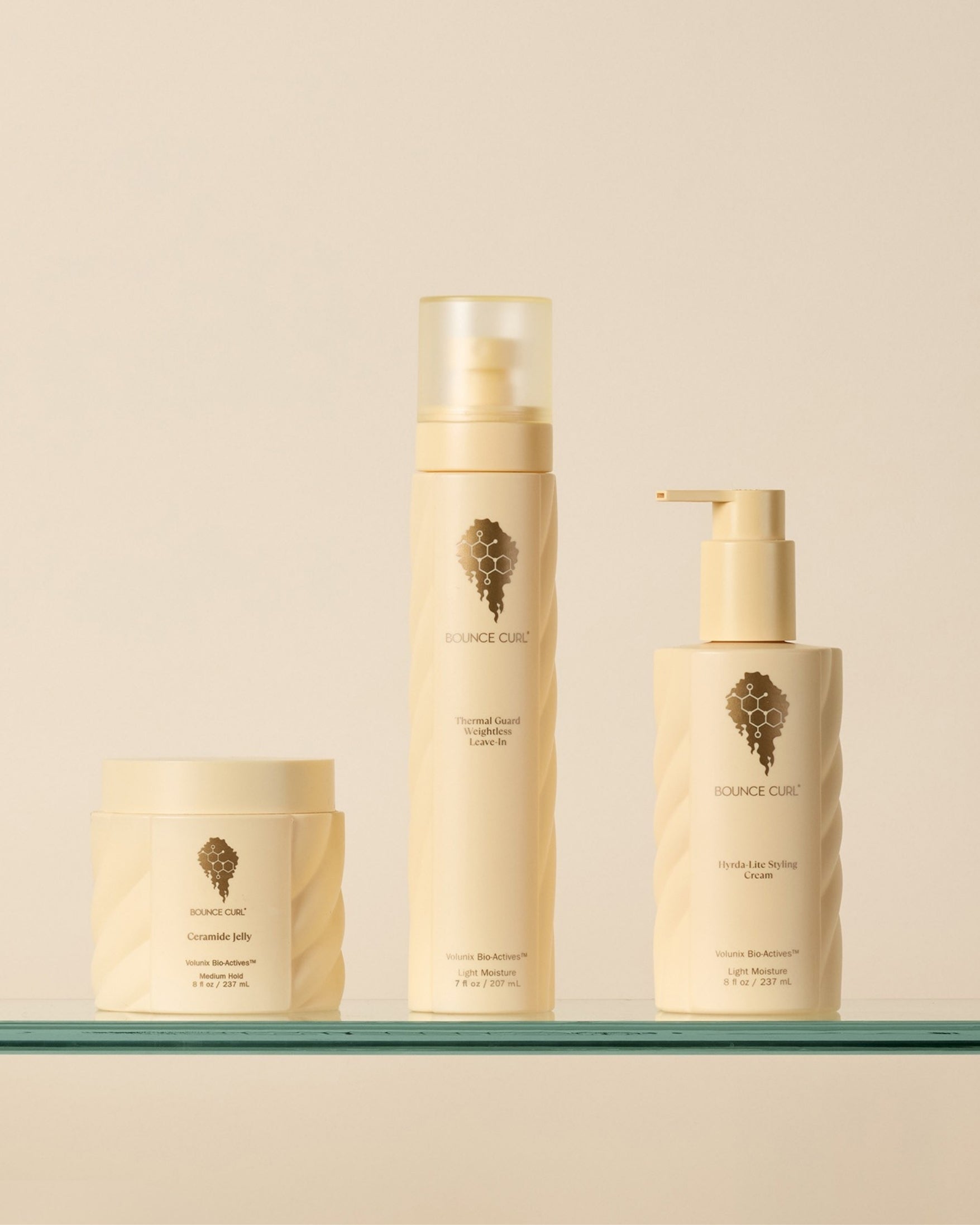
Reach for richer creams and hydrating gels over anything alcohol heavy. A drying gel that works fine in July will leave winter curls crunchy and dull because there is simply less ambient moisture for it to draw from. Hydrating, silicone-free formulas hold definition without robbing strands of the water you just sealed in, according to winter styling guidance from SheKnows.
A practical product lineup for this step:
- Cleanse with the Innersense Hair Renew Scalp Hairbath for a gentle, moisture-forward wash.
- Follow with Innersense Clarity Conditioner to detangle without stripping.
- Deep condition using As I Am Hydration Elation Intensive Conditioner or Pattern Intensive Conditioner for extra slip and moisture retention.
- Define curls with Eco Style Olive Oil Styling Gel when you need firmer hold against hats and scarves.
For high-porosity hair, apply your leave-in and sealant while strands are still in the shower, catching water before it evaporates. Lower-porosity curls benefit from slightly warmer water and lighter products that will not sit on top of the strand. Rake product through in sections, shingle small pieces for maximum definition, and work by curl pattern rather than rushing through the whole head at once.
What Is the Best Way to Dry Curls Before Going Outside?
Freezing temperatures on wet hair will not give you a cold, but they can make strands brittle enough to snap, which is the real risk winter poses to a wash and go. The safest approach is timing your wash so hair is mostly or fully dry before you need to leave the house.
- Wash the night before. Pineapple loosely on top of your head, cover with a satin bonnet or sleep on a satin pillowcase, and wake up to curls that are 80 to 90 percent dry.
- Diffuse on low heat. Section hair, focus the airflow at the roots, and keep the dryer moving to avoid overheating any one area while you flip your head to encourage volume.
- Use a hooded dryer for even, gentle drying across the whole head if a diffuser leaves you with hot spots.
- If you must leave slightly damp, tuck hair under a loose hood or scarf and give yourself roughly an hour indoors first whenever your schedule allows it.
Overnight strategies like pineappling and a light shower-cap mist are widely used by curl communities specifically to avoid stepping into cold air with soaking hair, and for good reason: it works.
Pro Tip: If you are diffusing, apply the Pantene Gold Series Thermal Heat Protector first. Even indirect diffuser heat dries out already-parched winter strands faster than you would expect.
How Do You Refresh a Wash and Go Without Rewetting It?
A light spritz, not a full rewet, is usually all a winter wash and go needs between washes. Mix water with a small amount of leave-in or a lightweight oil in a spray bottle, mist sparingly, and scrunch instead of soaking curls back down to the roots.
Pineapple every night regardless of hair length, and protect the style with a loose updo if you are heading somewhere active. Reserve a full re-diffuse for days when curls have genuinely fallen flat rather than defaulting to it out of habit, since extra heat exposure compounds winter dryness fast.
- Mist lightly with a water-and-leave-in mix, never a full soak.
- Pineapple nightly under a satin bonnet or on a satin pillowcase.
- Reserve re-diffusing for when curls have actually fallen, not as routine maintenance.
- Satin-lined hats and scarves cut down on the friction that causes frizz and breakage during the day.
Minimizing manipulation matters more in winter than any other season, since the drier air already stresses your cuticle before friction from hats or pillowcases adds to it.
Which Cocomera Products and Guides Round Out This Routine?
A how-to library breaks this routine down further if you want a slower walkthrough. The coily hair wash day workflow is built for 4C textures navigating exactly the drying-time challenges winter creates, and the complete wash day routine guide covers sequencing for types 2 through 4.
For product mapping specifically:
- Cleanse: AS I AM Jamaican Black Castor Oil Shampoo for a hydrating wash that will not strip winter-stressed strands.
- Deep condition: As I Am Hydration Elation Intensive Conditioner for heat-activated moisture penetration.
- Leave-in: browse leave-in styling products suited to your porosity.
- Define and seal: Eco Style Olive Oil Styling Gel for firmer winter hold.
- Heat protection: Pantene Gold Series Thermal Heat Protector before any diffusing session.
The winter haircare tips guide and the best moisturizers roundup fill in gaps for anyone still narrowing down a routine by curl type and porosity.
What Winter Wash and Go Advice Gets Overrated
The advice that gets repeated most in curl circles, wash less in winter, is only half right. What actually protects a wash and go through cold months is not fewer washes; it is fewer full rewets and less manipulation between them. A once-a-week wash with disciplined nightly pineappling beats a twice-a-week routine where curls get soaked and restyled from scratch every time.

The other overlooked piece: most damage in winter is not from the cold itself but from the mismatch between rich product textures and how long people wait to dry before bundling up in hats and scarves. A gel that never fully cures under a wool hat turns into paste by lunchtime. Prioritize the drying step over the product step. A mediocre gel on fully dry hair outperforms a great gel on hair rushed out the door damp.
If you take one thing from this, let it be the night-before wash. It solves the drying-time problem before it starts and sets up everything else, refresh, protect, style, to actually hold.
— Cocomera
Shop the Winter Wash-and-Go Routine
Building this routine from scratch is easier when you are not guessing which formula actually holds up against dry, heated indoor air and freezing outdoor wind. There are curated cleansing and deep conditioning duos, leave-in and styler pairs, and heat-protection sets for textured hair types 2 through 4, so you can shop by routine step instead of hunting through unrelated shelves.
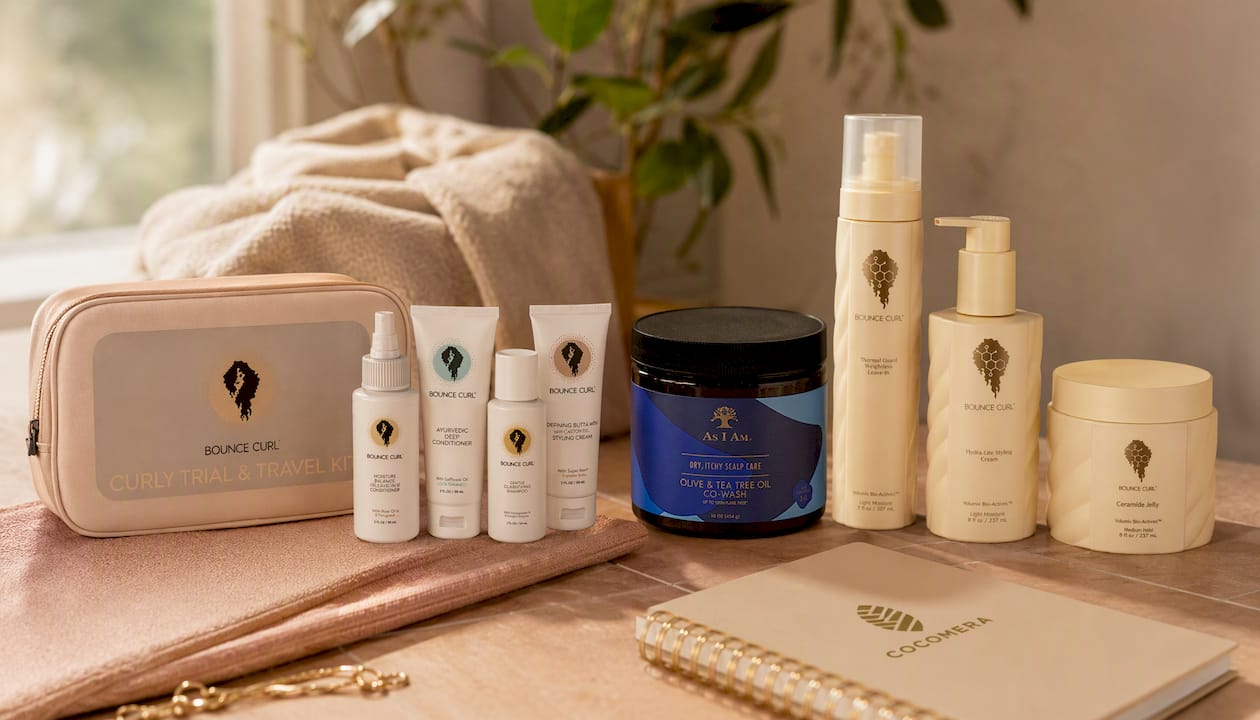
Start with a cleanse and deep condition pairing like Innersense Hair Renew Scalp Hairbath with Pattern Intensive Conditioner, both silicone-free and formulated for moisture retention rather than surface shine. For styling, browse the full styling collection to find a gel or cream weight that matches your curl density before winter hats flatten your hold. Check product pages for size options and scent-free formulations if you have a sensitive scalp, and orders ship across Sweden. Browse the shampoo collection to build your full routine today.
Sources
- Is it bad to go outside with wet hair?
- How to Make a Wash 'n Go Work in the Winter
- How to Wear a Wash-&-Go Styles in the Dead of Winter - SheKnows
FAQ
Are wash and gos good for your hair?
Wash and gos are generally healthy because they involve minimal heat and minimal manipulation compared to styles that require daily combing or tight tension. The key is moisture management. A wash and go done with a proper leave-in, sealant, and protective nighttime routine supports curl health rather than working against it.
How long will a wash and go last?
A well-executed wash and go typically lasts several days to about a week with nightly pineappling and light refreshing, though this varies by curl pattern and porosity. Low-manipulation habits like satin protection and spot-misting extend that window further than a full rewet would.
Are wash and gos healthy?
Yes, when the routine includes deep conditioning, proper sealing, and protective sleep habits like a satin bonnet or pillowcase. The style itself is not the risk. Skipping moisture steps or repeatedly soaking hair without protecting it overnight is what leads to dryness and breakage over time.
How do you freshen a wash and go?
Mist lightly with a water and leave-in mixture, then scrunch curls back into shape rather than fully rewetting them. Pineapple at night and save a full re-diffuse for days when curls have genuinely lost their pattern, since going outside afterward while hair is still soaking wet is what actually risks winter hair damage, not the refresh itself.


