


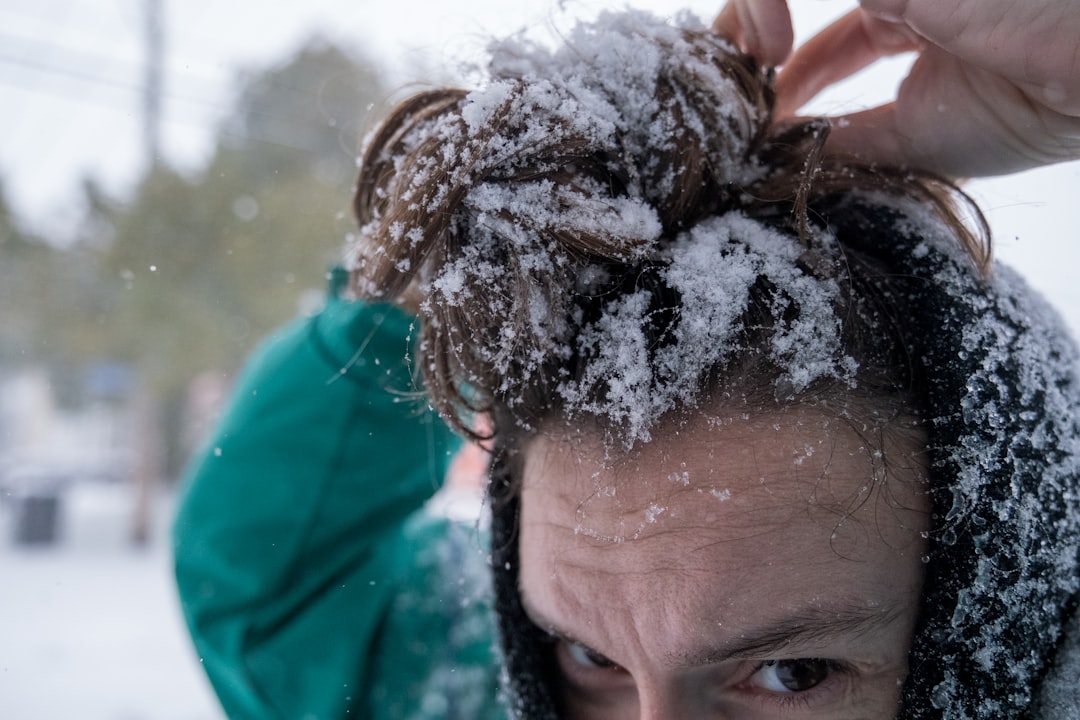
- Textured hair experiences increased moisture loss, frizz, and breakage during winter due to cold air and indoor heating. Effective care includes moisture retention, scalp treatments, protective styles, and using appropriate ingredients like humectants, emollients, and sealants tailored to porosity. Establishing targeted routines and products designed for textured hair helps maintain healthy curls and coils throughout the season.
Winter in Europe hits textured hair hard. The moment temperatures drop and indoor heating cranks up, curls and coils face a relentless cycle of moisture loss, frizz, and breakage. If you have wavy, curly, coily, or afro hair, you already know that cold air and low humidity are not your friends. Scalp care with regular oil massages three to four times a week can help fight the circulation slowdown that cold weather brings, but that is just one piece of the puzzle. This article breaks down exactly what your textured hair needs this season, from the right ingredients and moisture-layering techniques to scalp routines and protective styling strategies that actually work.
Table of Contents
Key Takeaways
| Point | Details |
|---|---|
| Moisture retention matters | Textured hair needs extra moisture in winter due to its structure and Europe’s dry climate. |
| Scalp health is vital | Regular oil massages and hydration routines prevent winter flakes and itchiness. |
| Protection beats damage | Smart styling, minimized heat, and nightly protection keep curls healthy and frizz-free. |
| Choose the right ingredients | Humectants, emollients, and proteins help maintain strength and softness all winter. |
| Adapt to your hair type | High-porosity or 4C textures need more sealants and careful scalp care for best results. |
Why textured hair needs special winter care
Textured hair is structurally different from straight hair. The natural bends and curves in each strand make it harder for sebum to travel from the scalp down the length of the hair shaft. That means curls and coils are already working at a moisture deficit before winter even arrives. Understanding why curls need moisture is the first step toward building a routine that holds up against the cold.
When winter hits, the problem compounds. Outdoor air becomes dry and cold. Indoors, central heating strips the air of humidity. Every time you step between those two environments, your hair contracts and expands, weakening the cuticle layer over time. The result is increased porosity, which makes it even harder to hold onto water.
Wind is another underrated villain. It mechanically roughs up the hair cuticle, creating tangles and knots that lead to breakage during detangling. Women with multi-textured hair feel this even more acutely because different sections of their hair respond to the cold at different rates.
For hair types 2 through 4, the main winter criteria come down to three things:
-
Moisture retention: Keeping water in the strand longer
-
Protection: Minimizing mechanical and environmental damage
-
Scalp health: Maintaining a clean, hydrated, and well-circulated scalp
“Winter is not just about adding more product. It is about layering the right ingredients in the right order to create a barrier that actually holds moisture in.” This insight from winter haircare insights reflects what many textured hair specialists emphasize: strategy matters as much as the products themselves.
Moisturize smarter: Ingredients and techniques
Knowing that moisture is the goal is one thing. Knowing which ingredients actually deliver it is where most routines succeed or fail. Key ingredients for curls fall into three functional categories: humectants, emollients, and proteins. Each serves a different purpose, and using all three in the right order is what sets a great winter routine apart from a mediocre one.
| Ingredient type | Examples | What it does |
|---|---|---|
| Humectants | Glycerin, honey, aloe vera | Draws water into the hair strand |
| Emollients | Avocado oil, castor oil, argan oil | Softens and smooths the cuticle |
| Proteins | Hydrolyzed rice protein | Strengthens without adding weight |
The best way to layer these is to start with a water-based leave-in conditioner to hydrate the strand, then apply a cream or butter to add softness and hold the water in, and finish with a sealing oil to lock everything down. This is the classic LOC method (liquid, oil, cream) or LCO method (liquid, cream, oil), and which one works better depends on your hair porosity.
If you have high-porosity hair, meaning your cuticle is more open and lets moisture escape quickly, the LCO method tends to work better because the cream sits closer to the strand and creates a tighter seal before the oil goes on top. Type 4 coils especially benefit from heavier butters like shea or mango in the cream step.
For deep conditioning for dry hair, the recommendation is to increase treatment frequency from every two weeks to every seven to ten days in winter. Apply to soaking wet hair so the water acts as a carrier to push the conditioner deeper into the shaft.
Additional technique adjustments for winter:
-
Rinse with cool or lukewarm water instead of hot to keep the cuticle more closed after washing
-
Apply products in sections to ensure full saturation, especially for thicker and denser hair types
-
Avoid product buildup by clarifying once a month, which removes residue that blocks moisture absorption
-
Explore the best ingredients for curls to identify what works best for your specific texture
Pro Tip: If your hair feels crunchy after drying, you have likely used too much protein relative to moisture. Balance each protein treatment with a deeply hydrating mask the following week to restore softness.
Scalp care: Preventing flakes and itching in winter
The scalp is living skin, and it responds to winter conditions just like the skin on your face or hands. Cold temperatures slow blood circulation near the surface, which means less natural oil production and less nutrient delivery to the hair follicle. Combined with dry indoor heating, this creates the perfect environment for flaking, itching, and even inflammation.
A solid winter scalp routine has four key steps:
-
Oil your scalp two to four times per week. Use lightweight oils that penetrate easily, like jojoba, peppermint-infused oil, or grapeseed oil. Heavier oils like coconut can be great sealants but may clog pores if overused directly on the scalp.
-
Massage for at least five minutes each time. Scalp massage physically increases blood flow to the follicle. Oil massages 3 to 4 times weekly are specifically recommended to counteract the circulation slowdown cold brings. Use your fingertips, not your nails, in small circular motions.
-
Stick to a consistent wash schedule. Washing once every seven to fourteen days during winter is usually ideal for most curl types. Going longer risks buildup; washing too often strips natural oils. If you have an itchy or flaky scalp, consider exploring anti-dandruff shampoo options formulated specifically for textured hair.
-
Drink at least eight glasses of water daily. This one sounds basic, but internal hydration directly affects skin and scalp moisture. No topical product can fully compensate for chronic dehydration.
For targeted treatment, a multi-purpose scalp oil used on specific dry patches or tender areas can deliver concentrated relief without over-saturating the entire scalp. Apply directly to problem zones, then follow with your usual oiling routine.
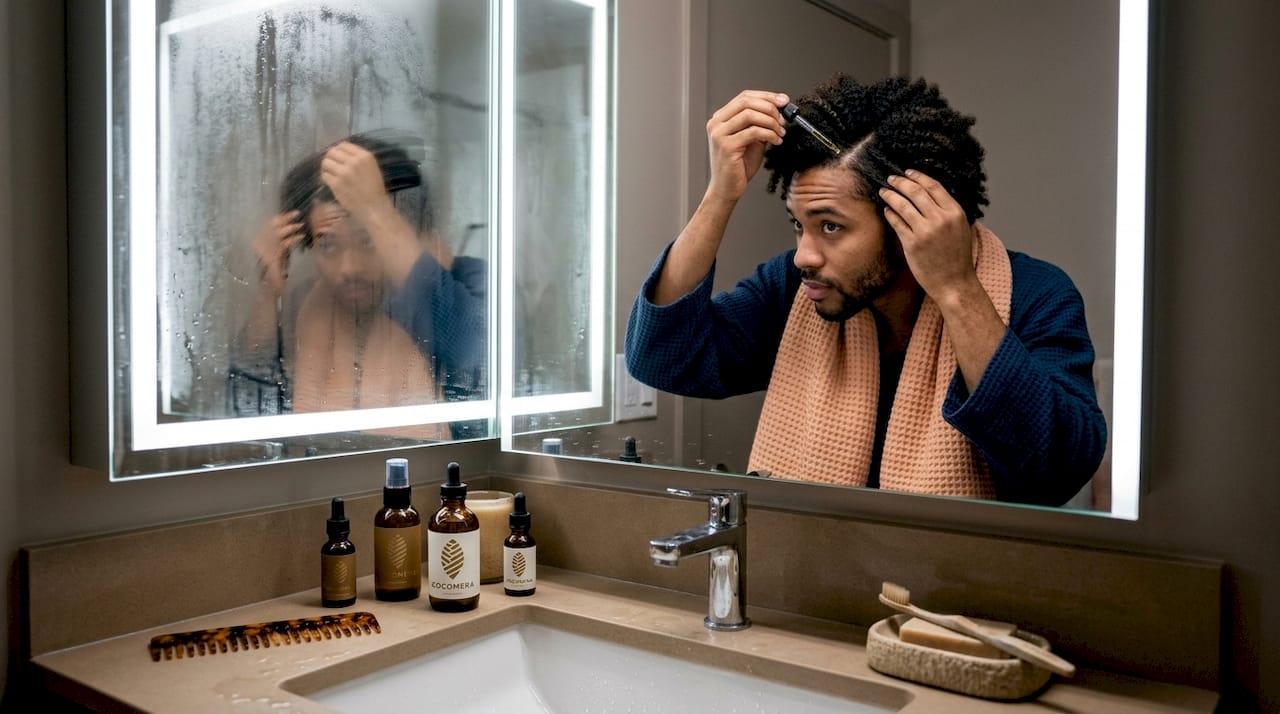
Pro Tip: If your scalp flakes return within two days of washing, the issue is likely not dryness but product buildup. Swap your regular shampoo for a clarifying shampoo once a month to reset the scalp environment, then return to your moisturizing shampoo.
For a full routine that keeps both scalp and strands healthy, explore these curly hair care tips from wash day to styling.
Protection techniques: Styling and daily habits for winter
Moisture and scalp health mean nothing if everyday habits are quietly undoing all that effort. Protection is the third pillar of winter textured hair care, and it covers everything from the styles you choose to how you sleep and whether you reach for the blow dryer.
Protective styles are a genuinely powerful tool for winter because they tuck away fragile ends and reduce the surface area of hair exposed to cold, wind, and friction. For types 2 through 4, the most effective options are:
-
Braids and twists (best for types 3 and 4): Keep ends protected for two to four weeks at a time
-
Updos and buns (works across all types): Easy to do daily, keeps ends away from coat collars and scarves
-
Flexi-rod sets and bantu knots (types 3 and 4): Define curls while protecting length without heat
When it comes to nighttime protection, the difference between waking up with intact curls or a frizzy mess often comes down to what your hair touches while you sleep.
| Option | Best for | Notes |
|---|---|---|
| Satin bonnet | Types 3 and 4, longer styles | Full coverage, very effective |
| Satin scarf | All types, versatile | Great for wrapping specific sections |
| Satin pillowcase | Types 2 and 3, lighter styles | Good backup if bonnets feel uncomfortable |
| Cotton pillowcase | None | Absorbs moisture and causes frizz |
Heat styling is another winter habit that needs adjustment. Minimizing heat styling is consistently recommended, and if you do use heat, always apply a thermal protectant first and keep the temperature as low as possible. Air drying or diffusing on low is almost always the better option in winter.
“Brushing wet hair dramatically increases breakage risk, especially when hair is already weakened by cold and dryness. Always detangle with a wide-tooth comb on wet, conditioned hair, then leave it alone until it is dry.” This is a principle that shows up consistently in expert advice on winter textured hair care.
For a full breakdown of how to structure your wash day routine, especially if you have coily hair, the guide on wash day for coily curls walks through every step. And for styling inspiration that protects length while keeping your look sharp, the guide on afro hair styling routines has proven techniques for types 3 and 4.
What most winter haircare guides get wrong about textured curls
Here is something most generic winter haircare advice misses entirely: it was written for straight or wavy hair. When you apply that advice to type 4C coils with high porosity, it does not just fail, it actively makes things worse.
The most common mistake is over-relying on humectants. Glycerin, aloe, and honey are excellent ingredients, but in the dry, cold air of a European winter, humectants with nothing to pull from the environment will actually draw moisture out of the hair shaft instead. This is the opposite of the intended effect. The fix is to pair every humectant with a rich emollient or butter that seals the drawn moisture in before it escapes.
For high-porosity type 4C hair, the recommendation is clear: prioritize sealants and butters over humectants alone. The open cuticle of high-porosity hair cannot hold water on its own. You need a physical barrier, which is what shea butter, mango butter, and heavier oils provide.
The second big mistake is treating protective styles as a “set it and forget it” solution. Braids and twists are excellent for protecting length, but if you are not moisturizing your scalp weekly and refreshing your ends, the style becomes a source of dryness and buildup rather than a protective tool. Explore the guidance on protective styles for afro curls for routines that actually maintain hair health within the style.
The third mistake is building a routine based on trending products rather than your actual hair porosity and curl type. A product that works brilliantly for a 3A wave pattern can leave 4C coils feeling weighed down and stripped by the next wash. Our advice: test products based on your hair’s specific needs using the winter curly haircare tips framework before committing to a full routine. Small, deliberate changes will tell you far more than swapping out everything at once.
Find your winter haircare essentials at Cocomera
Building the right winter routine for textured hair is easier when you do not have to guess which products are actually formulated for your curl type. At Cocomera, every product is carefully selected for wavy, curly, coily, and afro hair, which means you are not sorting through shelves of products that were never designed for your texture.
Start with the essentials: a look through the winter hair treatments collection gives you targeted solutions for dryness and damage. If deep conditioning is a priority this season, the deep conditioning hair masks range has options suited to everything from fine 2B waves to dense 4C coils. For sealing in moisture and protecting your scalp, the nourishing hair oils selection covers both lightweight and richer options. Your best hair winter yet is genuinely within reach.
Frequently asked questions
How often should I wash curly hair during winter?
Washing once every one to two weeks helps prevent excessive dryness while keeping your scalp clean in winter.
Should I avoid glycerin in my products during cold months?
In dry climates, balance glycerin with rich butters and oils to avoid excess moisture loss from hair, since humectants like glycerin can draw moisture out of the strand when the air is too dry to provide it.
What’s the fastest fix for an itchy, flaky winter scalp?
Regular oil massages 3 to 4 times per week can quickly reduce dryness and flakes by boosting blood circulation to the scalp in cold weather.
How can I keep protective styles from drying out my scalp?
Moisturize the scalp between braids or twists with light oils weekly, and avoid heavy product buildup that can clog follicles and slow healthy hair growth.
Is air drying safe for textured hair in cold weather?
Yes, but use a diffuser on low heat to speed drying, and avoid brushing wet hair or going outside with wet strands in freezing temperatures to prevent breakage and frizz.


