


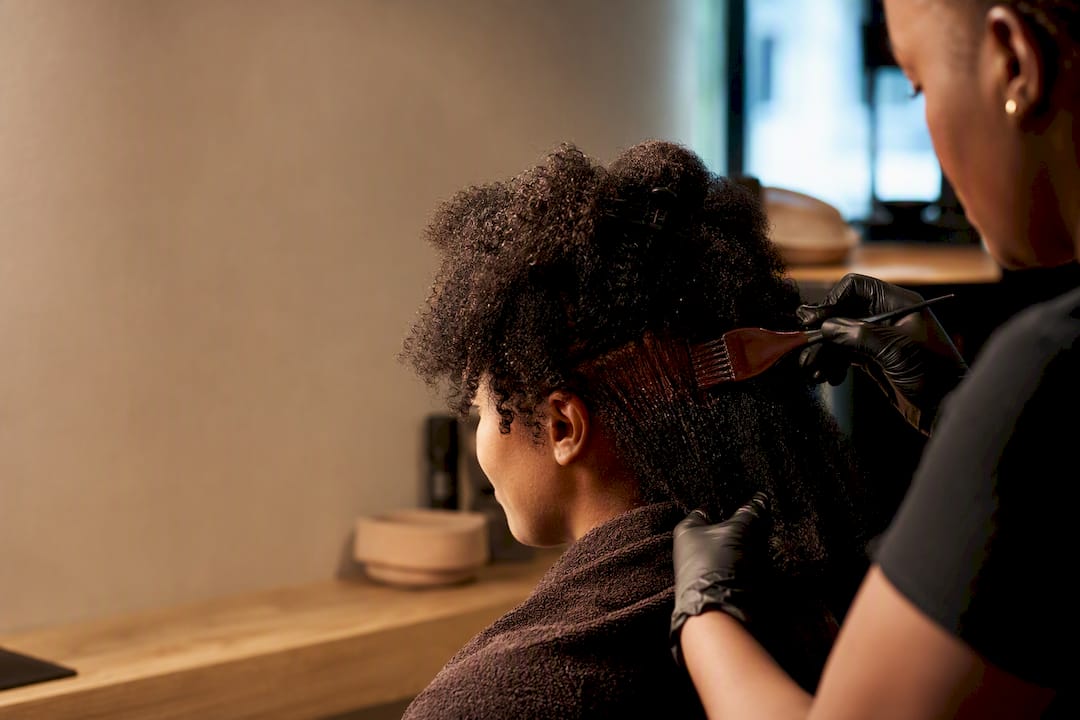
Yes, you can dye afro-textured hair safely, but the priority order matters: get a professional consultation first if your hair has any chemical history, then treat post-color moisture as non-negotiable. Choose the gentlest color option that gets you the look you want, and line up sulfate-free, hydrating products before you touch a single box of dye. Skipping either step is how a color job turns into a breakage problem.
TL;DR:
- Using a lower-volume developer with a longer processing time reduces structural stress and minimizes damage for porous, color-treated afro hair.
- Post-color routines should focus on gentle, sulfate-free products and regular hydration and strengthening treatments to prevent breakage and fading.
- Hair preparation before coloring must include a consultation, strand testing, deep conditioning, and avoidance of heavy oils to avoid brittleness and uneven results.
- Bleaching more than two shades lighter should be staged over multiple sessions with at least several weeks between, to prevent excessive porosity and scalp damage.
- Disclosing chemical history is crucial for selecting safe dye options, developer strength, and processing times, especially for those with prior relaxers or bleach treatments.
Table of Contents
- What Does “Färga Afro Hår Vård” Actually Mean for Your Routine?
- Quick Product Picks: The Color-Care Routine That Actually Works
- How Do You Prepare Afro Hair Before Coloring?
- Post-Color Care: Protecting Moisture and Color Together
- What Are the Real Risks of Bleaching Afro Hair?
- Why Cocomera’s Recommendations Reflect Real Textured-Hair Practice
- Where the Standard Coloring Advice Falls Short
- Shop the Routine: What to Buy Before Your Color Appointment
- Sources
- FAQ
What Does “Färga Afro Hår Vård” Actually Mean for Your Routine?
“Färga afro hår vård” translates roughly to “coloring afro hair care,” and it’s really shorthand for a bigger idea: color chemistry and curl chemistry don’t automatically get along. Afro-textured hair has a tighter curl pattern, more cuticle layers exposed along the hair shaft, and typically higher porosity than straight or wavy hair. That combination means dye processes don’t just change color. They change how your hair holds water.
Semi-permanent color fades out in 5 to 15 washes, demi-permanent lasts around 24 washes, and permanent color (including bleach) isn’t designed to wash out at all. It restructures the hair from the inside. For afro hair specifically, that last category deserves real caution, because the same porosity that makes curls springy also makes them more prone to snapping once the internal protein structure has been altered.
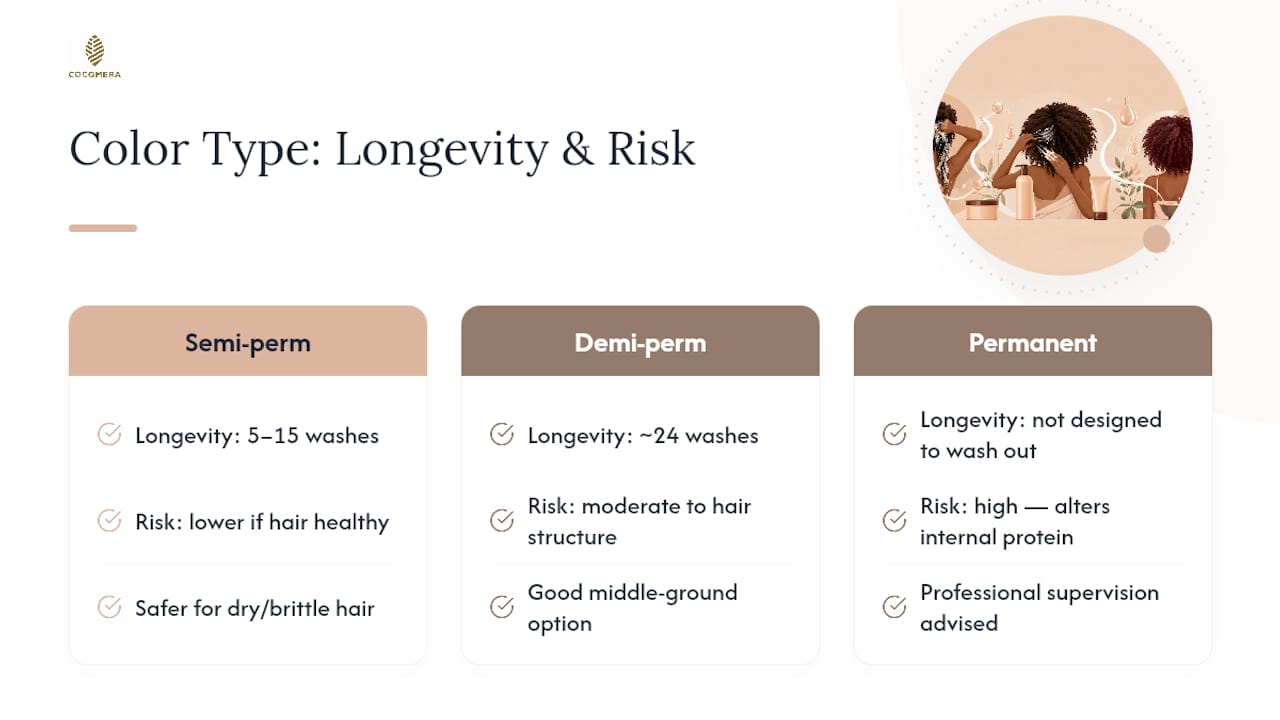
The practical takeaway: match the color type to how much risk your hair can currently absorb. If you’re dry, brittle, or have any relaxer or previous bleach in your history, semi-permanent or demi-permanent options are the safer entry points. Permanent color and high-lift blonding are where professional supervision stops being optional.
Quick Product Picks: The Color-Care Routine That Actually Works
You don’t need fifteen products. You need three that do specific jobs at specific moments.
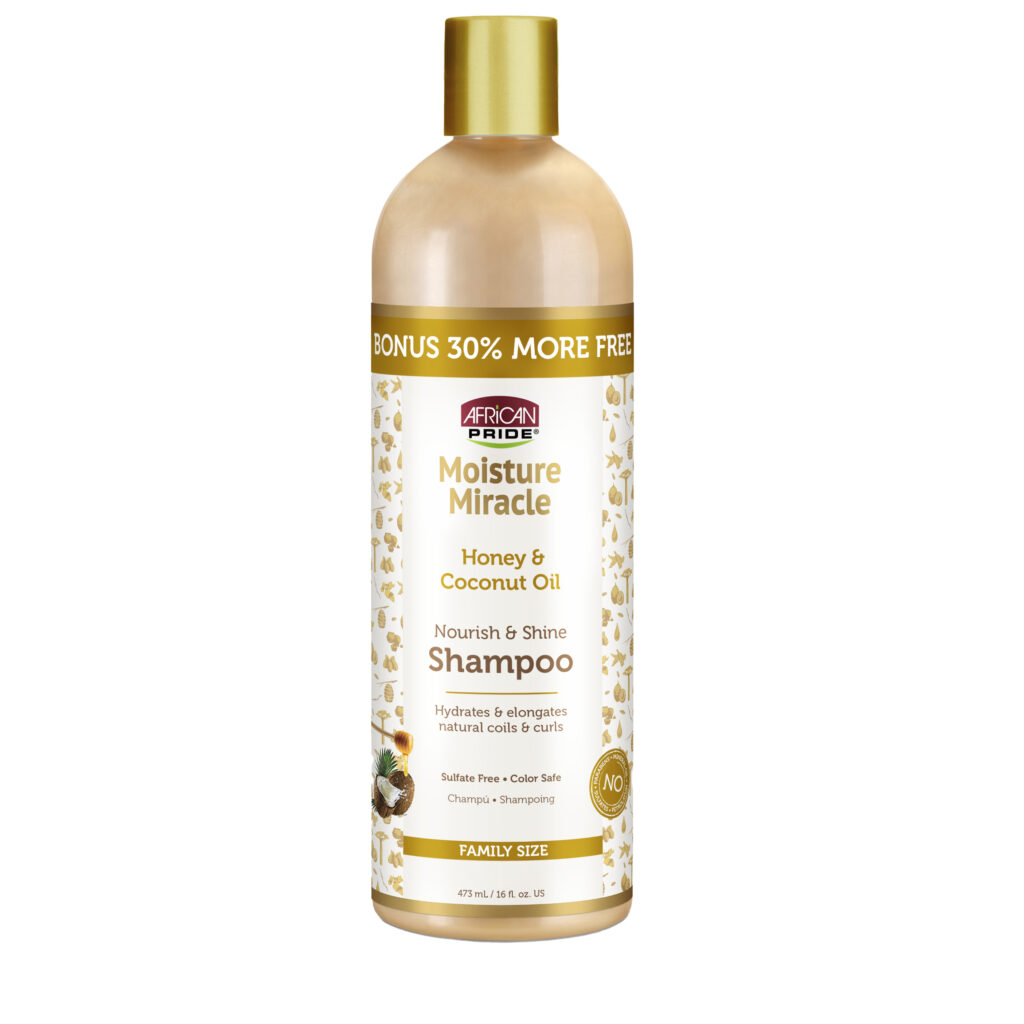
- African Pride Moisture Miracle Honey & Coconut Oil Shampoo: a gentle, hydrating cleanser for the first wash after coloring, when your hair is at its most porous and vulnerable.
- African Pride Moisture Miracle Honey, Chocolate & Coconut Oil Conditioner: immediate slip and hydration for detangling without pulling on freshly processed strands.
- Shea Moisture Jamaican Black Castor Oil Strengthen & Restore Shampoo: a weekly strengthening wash that supports scalp health once your color has settled.
Use the honey and coconut oil shampoo and conditioner combo for the first two to three washes post-color. Once your hair has adjusted (usually after week one), rotate in the castor oil shampoo once a week to rebuild strength without stripping the pigment.
Pro Tip: Wash with lukewarm, not hot, water for at least the first month after coloring. Heat opens the cuticle further and speeds up fade, especially on already-porous strands.
How Do You Prepare Afro Hair Before Coloring?
Preparation is where most damage gets prevented or guaranteed. Rushing this stage is the single most common way people end up with brittle, breaking hair a month later.
- Book a consultation if you have any chemical history. Stylists consistently ask clients to disclose bleach, relaxers, or glossing from the last five years, because layering new chemical processes on top of old ones compounds damage fast.
- Run a strand test and a patch test. A strand test shows you how your specific hair will react to timing and formula; a patch test on your skin catches allergic reactions before they happen on your whole scalp, a step that consumer color guides treat as mandatory, not optional.
- Bring reference photos. Visual aids help your stylist calibrate exactly how light or how vivid you actually mean, since color names mean different things to different brands.
- Deep-condition two to three weeks out. Strong, well-hydrated hair processes color more evenly and resists breakage during the chemical service itself.
- Skip heavy oils right before your appointment. Oil coats the hair shaft and can block even dye penetration, leaving patchy results.
- Respect waiting periods after relaxers or bleach, and trim off brittle, damaged ends before processing so the dye isn’t fighting already-compromised hair.
Pro Tip: If your stylist suggests a lower-volume developer with a longer processing time instead of a stronger, faster mix, say yes. It’s a slower route to the same color result with less structural stress on porous strands.
Post-Color Care: Protecting Moisture and Color Together
The first 48 hours set the tone for how long your color lasts and how healthy your hair stays. Coloring opens the cuticle, and what you do immediately after determines whether that cuticle closes back down smoothly or stays raised and prone to fading.
Immediately after coloring (first 1 to 2 washes): Wait the amount of time your stylist recommends, often 24 to 72 hours, before your first wash. When you do wash, use lukewarm water with a color-safe, sulfate-free shampoo and conditioner. Sulfates strip pigment faster than gentler surfactants, which matters most in that first week.
Weekly maintenance: Alternate moisturizing deep conditioners with occasional protein treatments. Which one you lean on depends on your porosity. Dry, elastic-feeling hair usually needs more moisture; limp, over-stretchy hair usually needs more protein. Guessing wrong in either direction leads to mushy or brittle strands.
Daily and overnight care: Layer product using the LOC or LCO method: leave-in conditioner first, then oil or cream to seal. Experts increasingly favor water-based hydration before oil, since oil applied alone traps existing dryness rather than adding any. Sleep on a satin or silk pillowcase or bonnet, and avoid tight styles that put tension on freshly colored, more fragile strands.
Protection and refresh: UV exposure and chlorine both accelerate color fade and dryness. If your color starts looking dull between salon visits, a pigment-depositing mask or color-safe conditioner can refresh tone without another full chemical process.
What Are the Real Risks of Bleaching Afro Hair?
Bleaching and repeated chemical processes raise porosity with every pass, and higher porosity means the hair shaft holds less protein and structural integrity. That’s why a conservative lift, done in stages over multiple visits, usually beats a single aggressive session for anyone going more than two or three shades lighter.
As a rough rule, give your hair at least a few weeks between major chemical services, longer if you’ve bleached or relaxed. Watch for these red flags, which go beyond normal post-color dryness:
- Scalp pain, burning, or blistering during or after application.
- Sudden, noticeable shedding beyond your normal shed rate.
- Rapid thinning or a change in texture that feels abnormal for you.
Any of those warrant a call to a board-certified dermatologist, since early diagnosis improves outcomes for hair loss and scalp conditions that get missed or dismissed as “normal” for textured hair. Simple root touch-ups and semi-permanent glosses are reasonable to do yourself. High-lift blonding and full color corrections belong in a salon chair, where a stylist can monitor processing in real time.
Why Cocomera’s Recommendations Reflect Real Textured-Hair Practice
Cocomera builds its product lineup around one working assumption: afro hair needs hydration before anything else. That’s not a slogan, it’s a sourcing filter. Every shampoo and conditioner recommended here is sulfate-free or formulated to preserve moisture, because stripping oils and moisture is the fastest way to turn a color service into a breakage problem.
Afro-textured hair carries more cuticle layers and typically higher porosity than straighter hair types, which means the same color process that looks routine on other hair can leave curls more vulnerable to moisture loss and structural damage if aftercare is treated as an afterthought.
Practical routines built on this principle look consistent: gentle cleanse, immediate hydration, weekly strengthening, nightly sealing. For readers who want the fuller picture on curl pattern and porosity before they commit to a color appointment, Cocomera’s guide to understanding afro hair and its scalp care guide both go deeper than a single article can.
- Product picks favor hydration-first formulas over harsh cleansers.
- Ingredient guidance prioritizes what afro hair loses during chemical processing: moisture and protein balance.
- Routines are built to be followed in order, not picked at random.
Where the Standard Coloring Advice Falls Short
Most generic hair color advice treats afro hair like a variation on straight hair with tighter curls. It isn’t. The porosity difference alone changes how you should think about timing, product choice, and even how aggressively you chase a color result.
The biggest gap in conventional advice is sequencing. Plenty of guides tell you what products to buy, but few tell you the order that actually protects your hair: consultation before chemicals, hydration-first products before oil-heavy ones, protein and moisture balanced against each other rather than treated as interchangeable. Get the sequence wrong and even good products won’t save you from breakage.
If there’s one thing worth prioritizing above all else, it’s disclosure. Tell your stylist, or tell yourself if you’re doing this at home, exactly what chemical treatments your hair has had in the last five years. That single piece of information changes which developer strength is safe, how long you should wait, and whether you should be reaching for a box of permanent dye at all or sticking with something gentler. Everything else, the specific shampoo, the specific oil, matters less than getting that first call right.
— Cocomera
Shop the Routine: What to Buy Before Your Color Appointment
Three products, three jobs, one simple sequence. The African Pride Moisture Miracle Honey & Coconut Oil Shampoo gives you a gentle first wash after color without stripping pigment. Its matching Honey, Chocolate & Coconut Oil Conditioner handles detangling and immediate hydration right when your hair needs it most.
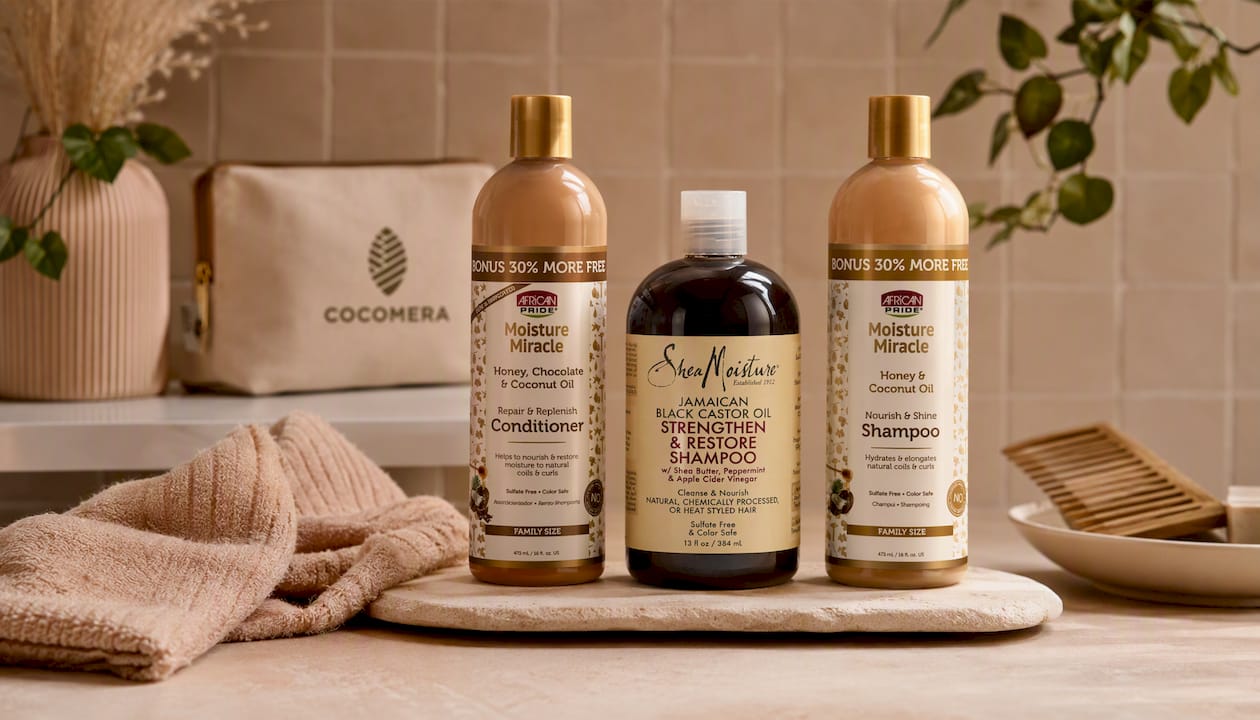
For the weeks after that, the Shea Moisture Jamaican Black Castor Oil Strengthen & Restore Shampoo becomes your weekly reset, rebuilding strength and supporting scalp health so color-treated strands don’t thin out over time.
A sensible starter combo: the honey and coconut oil shampoo and conditioner for your first week post-color, then rotate in the castor oil shampoo once weekly alongside a deep-conditioning mask every seven to ten days. These are curated from brands for hair types with curly and coily patterns, helping you select formulas suited to your curl pattern. Check the shop page for current shipping details and return policy before you order, then build your cart around the routine above and get it in hand before your next color appointment.
Sources
Claims about wash counts, waiting periods, and porosity risk draw on the PMC review of hair dye effects, which covers color longevity and aftercare chemistry. Consultation and disclosure guidance comes from Fulhams Scalp & Hair Clinic. Dermatological red flags are grounded in a peer-reviewed review on hair thinning, and product category context comes from Vogue’s roundup of afro hair products. For structural, clinical context on textured-hair restoration, see this overview of afro-type hair transplant considerations.
- PMC article on hair dye effects and hair care (2026)
- Does hair dye damage afro hair? (Fulhams Scalp & Hair Clinic)
- Dermatology review on hair thinning and afro-textured hair
FAQ
How much does bleaching or dyeing damage afro hair?
Semi-permanent color causes the least structural change and fades within 5 to 15 washes, while bleach and permanent color chemically restructure the hair shaft and raise porosity, increasing breakage risk if aftercare is skipped.
Is toning better than full coloring for afro hair?
Toning and semi-permanent glosses are generally gentler than full permanent color because they sit on or near the cuticle surface rather than restructuring it, making them a lower-risk option for hair that’s already dry or porous.
How do you safely remove color from afro hair?
Color removal (color correction) should go through a professional, since stripping color often requires additional chemical processing on top of hair that may already be compromised. Attempting it at home significantly raises the risk of severe breakage.
What’s the best hair dye for very dark or black hair?
There’s no single “best” formula since results depend on your starting color, porosity, and desired shade, but demi-permanent options tend to offer richer, longer-lasting depth on dark afro hair with less structural stress than permanent, high-lift processes.


