



TL;DR:
- Scalp care for afro hair requires direct cleansing, targeted hydration, and tension-aware protective styling. Regular routines and medicated treatments for conditions like seborrheic dermatitis help maintain scalp health and prevent flare-ups. Proper product selection and early issue detection ensure healthy, moisturized scalp and hair growth.
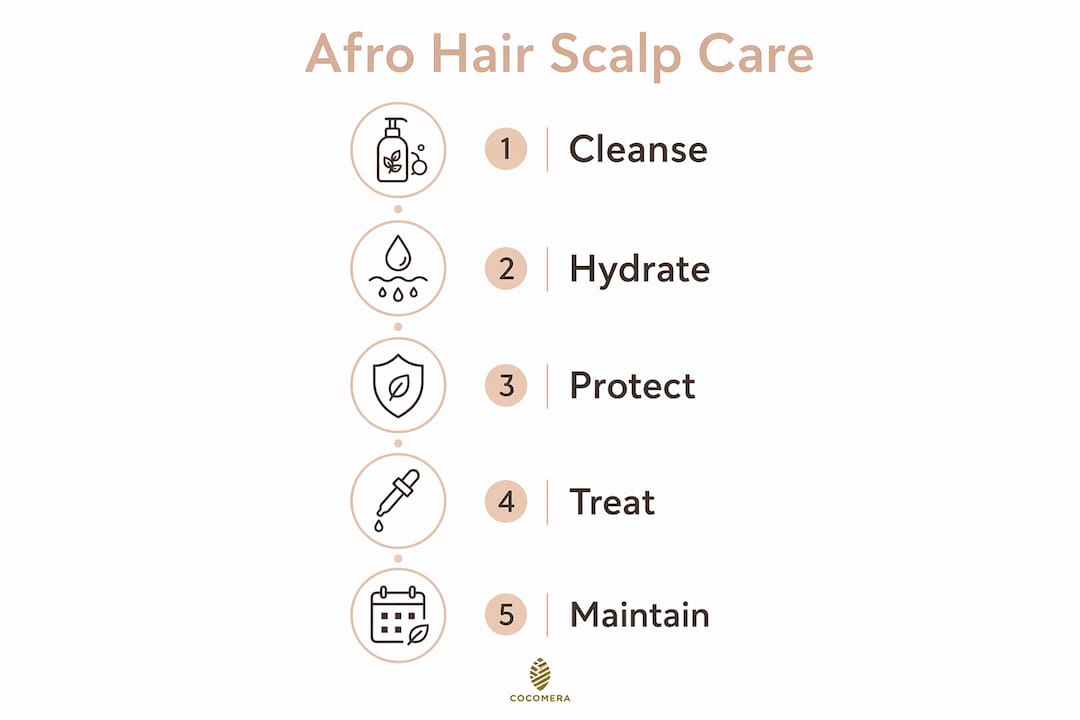
Scalp care for afro hair is the practice of maintaining a clean, moisturized, and healthy scalp through routines built specifically for high curl pattern hair (HCPH). The tight coil structure of afro hair slows natural sebum distribution from root to tip, which means your scalp dries out faster than straight hair types. Without a targeted approach, that dryness leads to flaking, breakage, and conditions like seborrheic dermatitis. This guide to scalp care for afro hair covers everything from cleansing frequency and the best scalp oils for afro hair to protective styling hygiene and managing chronic scalp conditions.
How to cleanse an afro scalp effectively
The single most important cleansing rule for afro hair is to apply shampoo directly to the scalp, not just the hair shafts. A 2026 clinical paper on high curl pattern hair confirms that direct scalp application improves treatment results and reduces dryness compared to working shampoo through the lengths. Most people with afro hair do the opposite, and that habit is why scalp buildup and inflammation persist even with regular washing.
Shampoo selection matters just as much as technique. Gentle, moisturizing shampoos protect the scalp barrier without stripping natural oils. Harsh sulfate-heavy formulas leave the scalp tight and reactive, which can trigger more flaking. A curated shampoo range designed for afro and textured hair makes it easier to find the right formula without guesswork.
Frequency depends on your lifestyle and gender. Women with afro hair typically shampoo weekly or every two weeks, while men of color benefit from washing two to three times per week with a moisturizing shampoo. That difference reflects activity level, product use, and scalp oil production. Washing too infrequently allows buildup; washing too often without the right formula causes dryness and breakage.
Pro Tip: Dilute your shampoo with water in a small applicator bottle before washing. This spreads the product evenly across your scalp without concentrating it in one spot, which reduces dryness and makes rinsing easier, especially under protective styles.
| Cleansing tool | Purpose |
|---|---|
| Moisturizing shampoo | Cleanses without stripping natural oils |
| Scalp brush or massager | Loosens buildup and stimulates circulation |
| Applicator bottle | Delivers diluted shampoo directly to the scalp |
| Wide-tooth comb | Detangles gently after washing |
What are the best scalp oils and hydration methods for afro hair?
Moisturizing the scalp is non-negotiable for afro hair health. The tight curl pattern physically blocks sebum from traveling down the hair shaft, so the scalp and strands both run dry faster than other hair types. That dryness shows up as flaking, itching, and brittle ends. The key is knowing whether your flaking is simple dryness or an inflammatory condition, because the treatment approach is completely different.
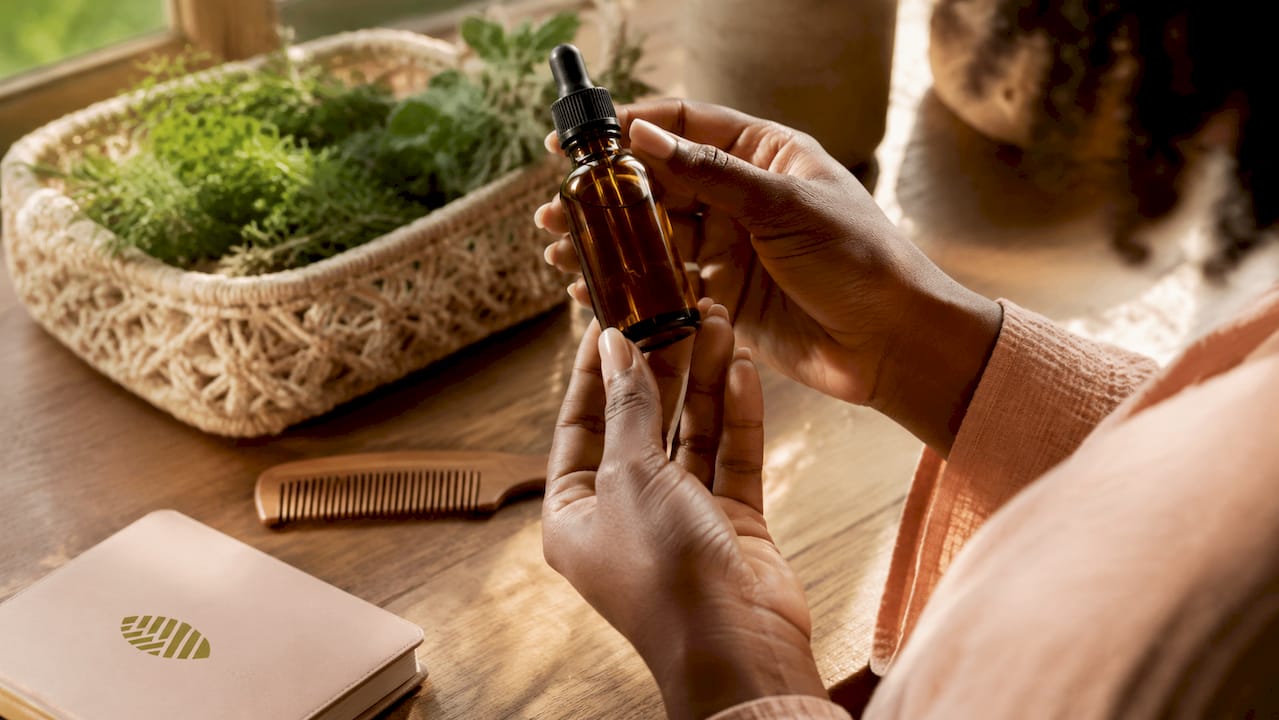
Simple dry flakes respond well to regular hydration. Weekly oil treatments of at least 30 minutes benefit afro hair hydration, but the oil should be applied to the strands rather than directly to the scalp during that step. Piling oil onto the scalp creates buildup that blocks follicles and can worsen conditions like seborrheic dermatitis. The scalp needs moisture, not a grease layer.
The best scalp oils for afro hair include:
- Jojoba oil: Closest in structure to natural sebum; absorbs quickly without clogging pores
- Argan oil: Rich in vitamin E and fatty acids; reduces inflammation and adds shine
- Coconut oil: Penetrates the hair shaft to reduce protein loss; use lightly on the scalp
- Olive oil: Softens and conditions; best used on strands rather than directly on the scalp
- Shea butter: Seals moisture effectively; better as a strand treatment than a scalp product
Cocomera’s hair oil collection covers several of these options in formulas built for textured hair, so you can match the oil to your specific scalp condition rather than picking randomly.
Pro Tip: Mist your scalp lightly with water or a water-based leave-in spray daily, then seal with a small amount of jojoba or argan oil. This two-step method adds moisture first and locks it in second. Applying oil to a dry scalp without water underneath just seals in dryness.
Understanding ingredients for textured hair helps you read product labels confidently and avoid formulas that look hydrating but actually cause buildup.
How to maintain scalp health with protective hairstyles
Protective styles like braids, twists, weaves, and wigs are excellent for retaining length, but they create a real challenge for scalp care. When your scalp is covered or braided down, regular cleansing and moisturizing become harder to do consistently. Skipping those steps for weeks at a time leads to buildup, odor, and inflammation.
Scalp access is the defining factor in whether a protective style actually protects your hair. Styles that leave no room to reach the scalp with product or water force you to choose between hygiene and style. The better approach is choosing styles that allow you to maintain your routine throughout the wear period.
Here is a practical hygiene routine for wearing protective styles:
- Cleanse every one to two weeks using a diluted shampoo in an applicator bottle. Squeeze it directly onto the scalp between braids or along the hairline, then rinse thoroughly.
- Dry the scalp completely after washing. A damp scalp under braids or a wig creates the warm, moist environment where fungal growth thrives.
- Hydrate lightly and consistently using a water-based spray or light oil mist. Avoid heavy pomades or thick grease that block the scalp.
- Check tension regularly. Run your finger along your hairline and parting lines. If any area feels sore or tight, that is a warning sign.
- Remove the style on schedule. Most protective styles should come down after six to eight weeks. Leaving them in longer increases the risk of matting, breakage, and scalp damage.
Excessive tension from protective styles causes scalp irritation and can lead to traction alopecia over time. Traction alopecia is hair loss caused by repeated pulling on the follicle, and it can become permanent if the tension continues. Scalp pain during or after installation is never normal. If you feel pain, the style is too tight.
Pro Tip: Ask your stylist to demonstrate the tension level before completing the full install. If a single braid or loc feels tight when you tug it gently, the whole style will feel worse after a few days of swelling and drying.
How to address common scalp conditions in afro hair care
Seborrheic dermatitis is a chronic, inflammatory scalp condition that is particularly prevalent in people with high curl pattern hair. It causes flaking, redness, and itching, and it is driven by an overgrowth of the yeast Malassezia on the scalp. The critical mistake most people make is treating it like simple dryness and reaching for oils or pomades to cover the flakes.
Over-the-counter pomades and oils that mask flaking often worsen seborrheic dermatitis because they create a warm, oily environment where Malassezia thrives. If your flaking is accompanied by redness, itching, or a greasy texture, you need an antifungal or medicated approach, not more oil.
Effective afro hair scalp treatment for seborrheic dermatitis uses these active ingredients:
- Zinc pyrithione: Antifungal and antibacterial; found in many over-the-counter anti-dandruff shampoos
- Selenium sulfide: Reduces yeast growth; use with care as it can dry out the hair shaft
- Coal tar: Slows skin cell turnover and reduces inflammation; strong but effective for stubborn cases
- Topical antifungals (ketoconazole): Prescription-strength option for moderate to severe cases
- Topical corticosteroids: Reduce inflammation quickly; best used short-term under medical guidance
Anti-dandruff shampoos containing zinc pyrithione, selenium sulfide, or tar work for afro hair but require careful use to avoid dryness and hair shaft damage. Apply them directly to the scalp, leave on for the time specified on the label, then rinse thoroughly. Longer contact time does not mean better results. It means more dryness.
Seborrheic dermatitis is a chronic, relapsing condition best managed with a flare-control and maintenance model. Stopping medicated treatment as soon as symptoms clear is the most common reason people experience recurring flares. A maintenance routine using a medicated shampoo once or twice a month keeps the condition under control even when symptoms are absent.
| Active ingredient | Best for | Caution |
|---|---|---|
| Zinc pyrithione | Mild to moderate dandruff | Generally well tolerated |
| Selenium sulfide | Moderate seborrheic dermatitis | Can cause dryness with overuse |
| Coal tar | Stubborn, severe flaking | Strong smell; may discolor light hair |
| Ketoconazole | Fungal-driven inflammation | Prescription required in some markets |
| Topical corticosteroids | Acute inflammation and itch | Short-term use only |
Key takeaways
Consistent, scalp-focused routines built around cleansing frequency, targeted hydration, and tension-aware protective styling form the foundation of healthy afro hair.
| Point | Details |
|---|---|
| Apply shampoo to the scalp | Direct scalp application improves cleansing results and reduces dryness for afro hair. |
| Match oil to scalp condition | Use jojoba or argan oil for daily sealing; avoid heavy pomades if inflammation is present. |
| Protective styles need hygiene | Cleanse and hydrate the scalp every one to two weeks even while wearing braids or weaves. |
| Treat seborrheic dermatitis medically | Use zinc pyrithione, selenium sulfide, or antifungals rather than masking flakes with oil. |
| Maintain treatment after symptoms clear | Stopping medicated shampoo too early causes relapse; a monthly maintenance wash prevents flares. |
What working closely with textured hair has taught us
The most common mistake we see is people treating their scalp the same way they treat their strands. Scalp health for curly hair and afro hair requires its own logic. The scalp is skin. It responds to inflammation, buildup, and tension the same way facial skin does. Yet most afro hair routines focus almost entirely on moisture and definition from the mid-lengths down, leaving the scalp as an afterthought.
The second pattern we notice is reactive care. People ignore their scalp until something goes wrong, then reach for the strongest product they can find. That approach backfires consistently. A medicated shampoo used aggressively on an already dry scalp creates more irritation, not less. The consistent routine approach always outperforms the crisis response.
The piece of advice that makes the biggest difference is this: listen to your scalp before it shouts. Mild itching, slight tenderness along a part, or a faint odor after two weeks in a protective style are all early signals. Addressing them immediately takes five minutes. Ignoring them can mean months of recovery.
— Cocomera
Cocomera’s range for afro hair scalp care
Cocomera curates products specifically for textured hair types, including afro and coily hair, so you can build a complete scalp care routine without sorting through products designed for straight hair.
The strengthening shampoo range includes gentle, moisturizing formulas built for regular scalp cleansing without stripping. For hydration, the hair oil collection covers lightweight options like jojoba and argan that seal moisture without overloading the scalp. If your hair needs deeper conditioning between wash days, the hair treatments collection offers masks and intensive treatments suited to afro hair textures. Every product is selected with curl types 3 and 4 in mind, so what you find at Cocomera is built for your hair, not adapted from it.
FAQ
What is the right shampoo frequency for afro hair?
Most women with afro hair shampoo weekly or every two weeks, while men typically wash two to three times per week. The right frequency depends on your activity level, product use, and scalp condition.
How do I know if my scalp flaking is dryness or seborrheic dermatitis?
Dry flakes are usually white and powdery with no redness or itching. Seborrheic dermatitis produces yellowish, greasy flakes with redness and persistent itching. If you are unsure, consult a dermatologist before treating.
Can I use oil directly on my scalp every day?
Light oils like jojoba can be used daily in small amounts to seal moisture. Heavy pomades, thick butters, and occlusive products applied directly to the scalp cause buildup and can worsen inflammatory conditions like seborrheic dermatitis.
How do I care for my scalp while wearing braids?
Use a diluted shampoo in an applicator bottle to cleanse the scalp every one to two weeks. Follow with a light water-based mist and dry the scalp completely to prevent fungal growth under the style.
When should I see a dermatologist about my scalp?
See a dermatologist if you experience persistent pain, visible hair thinning along the hairline, or flaking that does not respond to over-the-counter anti-dandruff shampoos after four to six weeks of consistent use.


