


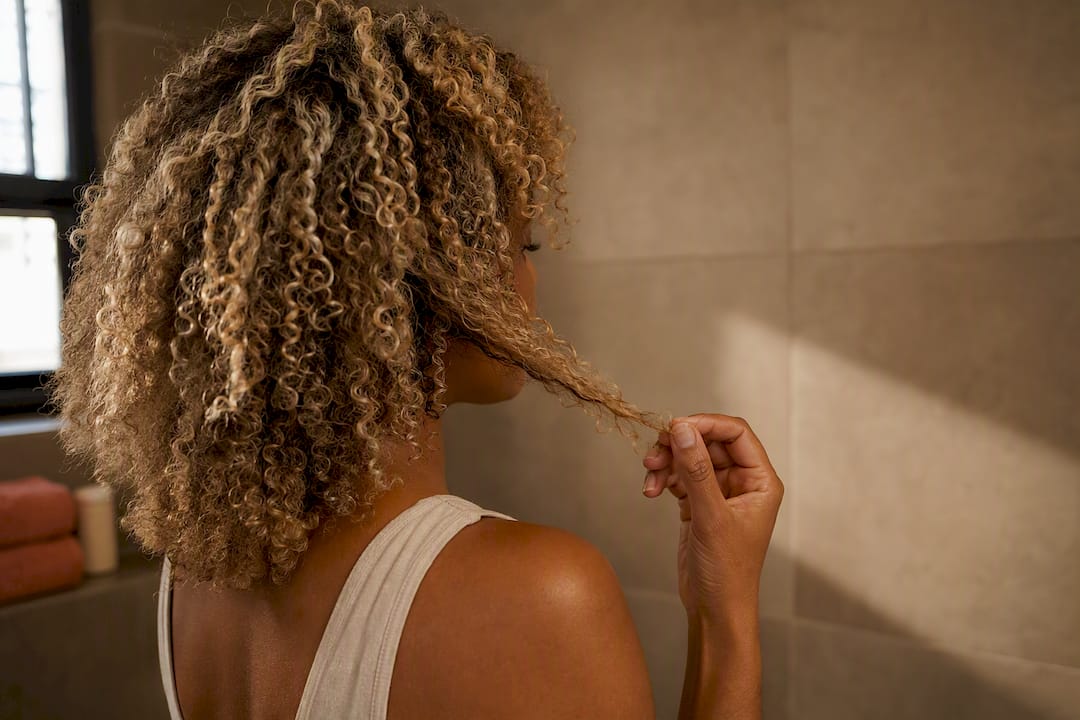
Stop washing every day, drop your regular shampoo for a sulfate-free color-safe cleanser, and add a weekly deep-conditioning mask plus a daily leave-in. That single shift is the highest-impact change you can make for blekt lockigt hårvård. Save protein treatments for hair that stretches and snaps, not hair that just feels dry. Moisture comes first, always.
TL;DR:
- Washing two to three times a week with sulfate-free, color-safe shampoo prevents further stripping of moisture from bleached curls.
- Weekly deep-conditioning masks should be used on damp hair for 15 to 20 minutes to rebuild softness and strengthen fragile strands.
- Daily leave-in products and oils at the ends help maintain moisture and minimize breakage, but should be used sparingly on roots to avoid weighing down curls.
- Rinsing with lukewarm or cool water preserves the cuticle’s sealant, supporting both color retention and hydration.
- Consistent routine, including trims and protective overnight habits, can lead to noticeable recovery within two to three months.
Table of Contents
- Building a Daily and Weekly Routine for Bleached Curly Hair
- Which Products Actually Help Bleached Curls Recover?
- How Do You Choose the Right Products for Damaged Curls?
- How Long Does It Take for Bleached Curls to Recover?
- Why Recommendations Build Every Recommendation Around Curl Type
- Build a Starter Recovery Kit for Bleached Curls
- Sources
- FAQ
Building a Daily and Weekly Routine for Bleached Curly Hair
Bleach doesn’t just lift color. It opens the cuticle layer, strips natural oils, and weakens the protein bonds that give curls their shape and bounce, which is exactly why your once-springy curls now feel limp, tangled, or straw-like. The good news: a consistent routine reverses most of that damage. Here’s the order that works.
- Detangle before you wet your hair. Run your fingers or a wide-tooth comb through dry or damp curls, starting at the ends. If your ends feel especially crunchy, apply a lightweight oil first as a pre-poo to soften strands before cleansing.
- Wash less, and wash smarter. Bleached curls generally do better on a two-to-three-times-a-week schedule rather than daily washing, using a sulfate-free, color-safe shampoo. On off days, a scalp-only clarifying rinse keeps buildup down without stripping the ends further.
- Condition with intention. Work rinse-out conditioner through mid-lengths and ends, then use the squeeze-out method (cup hair in your palm and squeeze upward) instead of raking it through, which keeps curls clumped instead of stretched out and heavy.
- Deep-condition once a week. A moisture-rich mask left on for 15 to 20 minutes rebuilds softness that daily conditioner can’t touch on its own.
- Add a leave-in and seal with oil. Apply a leave-in conditioner to soaking-wet hair, then layer a cream or gel for definition, finishing with a few drops of oil on the ends only, since oil at the roots can weigh curls flat.
- Dry gently. Blot with a microfiber towel or cotton T-shirt instead of rubbing with terry cloth, then plop for 10 to 15 minutes to encourage clumping before air-drying or diffusing on low heat.
Keep your kit simple: a wide-tooth comb, a microfiber towel, a diffuser attachment, and a satin pillowcase or bonnet for overnight protection. Those four items do more for retention than any single product.
- Detangle before wetting to reduce breakage
- Cleanse two to three times a week with sulfate-free formulas
- Deep-condition weekly, non-negotiable during recovery
- Diffuse on low or air-dry instead of blasting heat
Pro Tip: Cool or lukewarm water keeps the cuticle sealed while you rinse, which helps both color retention and moisture. Hot water feels great in the shower but undoes some of the work your conditioner just did.
For a broader look at wash-day sequencing across curl types, a full curly hair routine breakdown walks through the same logic in more depth. A step-by-step wash guide covers frequency adjustments for different porosity levels.
Which Products Actually Help Bleached Curls Recover?
Product choice matters more after bleach than it did before, because damaged, porous hair loses moisture faster than it can absorb it. Here’s how to build a shelf that supports repair instead of fighting it.
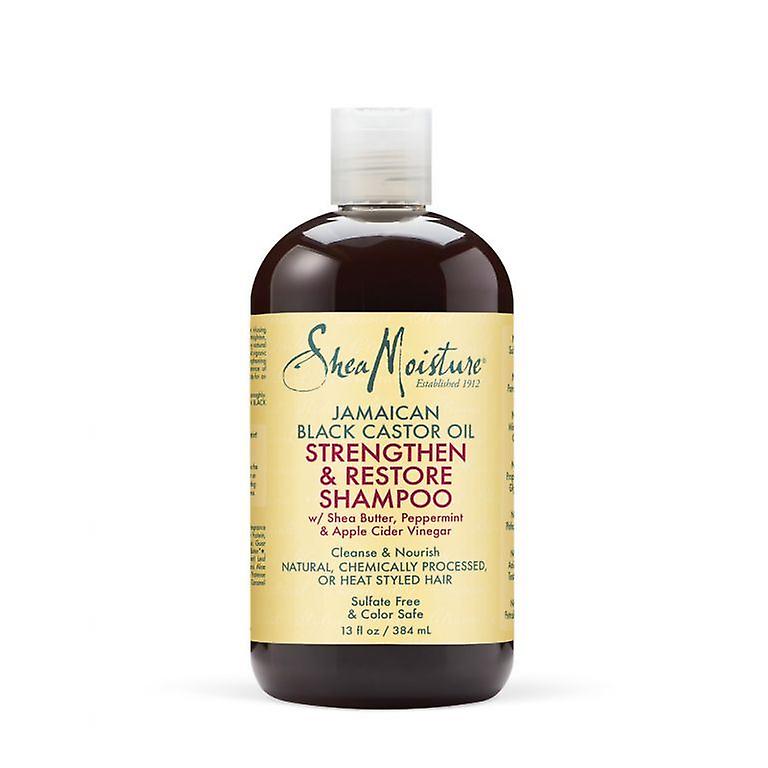
Shampoo. A sulfate-free formula avoids stripping the little natural oil bleached hair has left. The Shea Moisture Jamaican Black Castor Oil Strengthen & Restore Shampoo 384ml is built around castor oil and shea butter, cleansing gently while reinforcing strands that have gone brittle from lightening.
Masks and conditioners. Weekly deep conditioning is where most of the visible repair happens. The SKALA Mais Lisos 2in1 1000g works well as a moisture-first mask, and its large format means you can actually use enough product to saturate long or thick curls instead of rationing a small jar. Apply it after shampooing, let it sit under a shower cap for 15 to 20 minutes, then rinse with cool water.
Leave-ins and refresh sprays. Between wash days, curls need reinforcement without a full re-wet. The LETS DRED Locks and Braid Spray 237ml works as a lightweight daily refresher, reviving curl pattern and sealing in moisture without the heaviness of a full styling cream.
Purple or silver toning shampoo. If you’ve bleached to a light blonde and brassiness is creeping in, a purple shampoo used about once a week neutralizes yellow tones. Overusing it can leave curls dull or slightly gray-tinted, so alternate it with your regular moisturizing wash rather than replacing that wash entirely.
Accessories. A microfiber towel and wide-tooth comb aren’t optional extras. Both cut down on the friction and stretching that snap already-weakened strands, which matters more on bleached hair than on virgin hair.
- Sulfate-free shampoo for cleansing without stripping
- Weekly mask for moisture and softness
- Daily leave-in spray for curl refresh between washes
- Purple shampoo, used sparingly, for brass control
How Do You Choose the Right Products for Damaged Curls?
You don’t need to memorize ingredient lists, but knowing what to scan for on a label saves you from buying the wrong thing twice.
Look for: glycerin and panthenol (humectants that pull and hold moisture), shea butter or argan oil (seal that moisture in), and mild proteins like hydrolyzed keratin only in small concentrations near the bottom of the ingredient list.
Be cautious with: sulfates (harsh detergents that strip color and oil), high concentrations of denatured alcohol, and any shampoo marketed as “clarifying” for regular weekly use, since that’s meant for occasional buildup removal, not routine cleansing.
Protein or moisture, how to decide. Pull a strand of wet hair gently. If it stretches and snaps back to nothing, that’s overelasticity from protein loss, and a protein treatment is due. If it feels dry, rough, or straw-like without much stretch, it’s dehydrated and needs moisture, not more protein.
Reading claims. “Color-safe” generally means sulfate-free and pH-balanced for treated hair. “Repair” is marketing shorthand. It rarely means a true bond rebuild. If your curls are severely damaged from repeated lightening sessions, a salon bond-building treatment addresses broken protein bonds more directly than anything you’ll find on a drugstore shelf, and it’s worth asking a stylist about.
- Prioritize humectants and lightweight oils over heavy silicones
- Skip sulfates and daily clarifying washes
- Use the stretch test before reaching for protein
- Buy travel sizes first if you’re unsure how your hair will react
For a deeper breakdown of protein timing, a guide to protein treatments covers signs of overload in more detail.
How Long Does It Take for Bleached Curls to Recover?
With a consistent routine, most people see meaningful improvement in two to three months. Severely over-processed hair, especially from multiple lightening sessions, can take longer and may need regular trims to remove ends that are too damaged to repair.
Bleach’s chemistry is the reason recovery takes time at all: it lifts the cuticle and breaks down the protein bonds that give curls their spring, so hair loses elasticity right when you need it most for definition. During active recovery, protein treatments belong on a regular cycle spaced several weeks apart, always followed by a moisturizing treatment so you don’t overcorrect into brittleness.
A few environmental habits matter more than people expect:
- Rinse with lukewarm or cool water, never hot
- Limit sun and chlorine exposure, or rinse and condition right after swimming
- Skip high-heat styling tools during the recovery window
- Schedule trims regularly to remove split, over-processed ends
Why Recommendations Build Every Recommendation Around Curl Type
The curation is specifically for hair types 2 through 4, because bleached curls don’t respond to generic hair advice built for straight hair. Every product recommendation here follows a moisture-first logic, backed by curated catalogs. If you’re unsure what your curls need, reach out for help building a routine around your specific damage level.
— Cocomera
Build a Starter Recovery Kit for Bleached Curls
A structured recovery kit beats buying five random products and hoping one works. The approach pairs three roles: gentle cleansing, weekly moisture repair, and daily reinforcement, so your curls get consistent care instead of sporadic fixes.
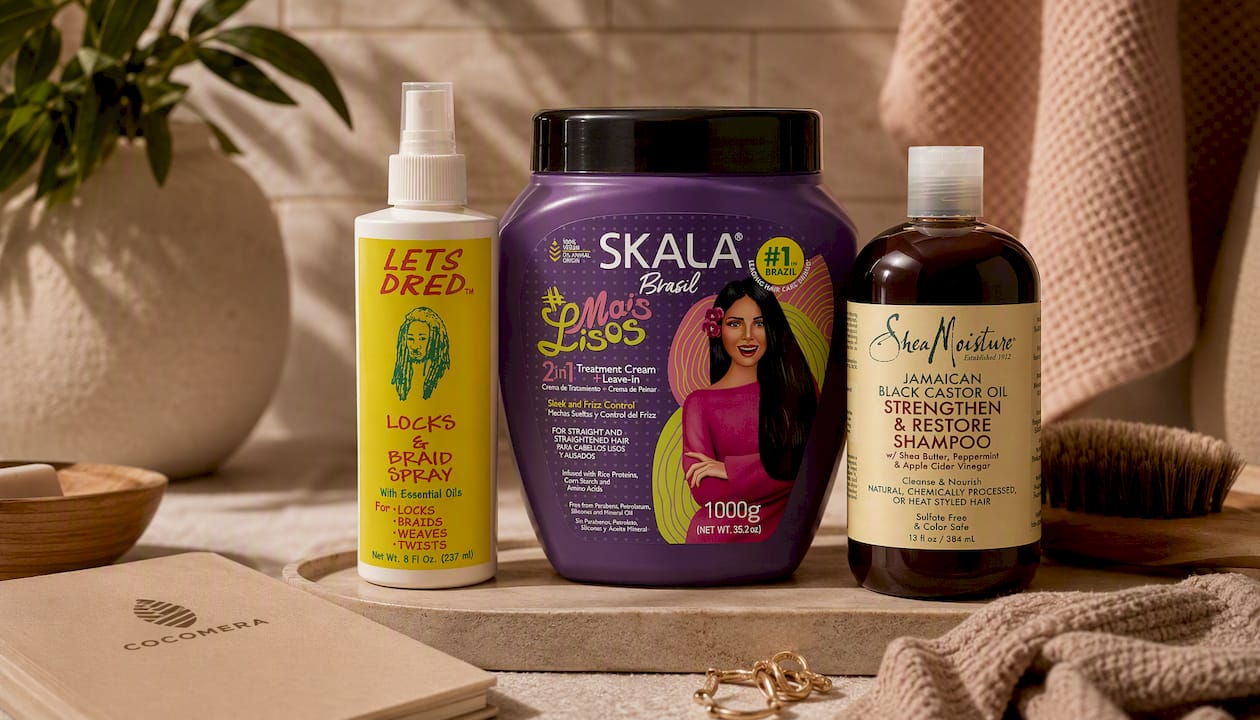
Start with the Shea Moisture Jamaican Black Castor Oil Strengthen & Restore Shampoo 384ml two to three times a week to cleanse without stripping. Follow up once weekly with the SKALA Mais Lisos 2in1 1000g as your deep-conditioning mask, giving it a full 15 to 20 minutes before rinsing with cool water. On the days in between, reach for the LETS DRED Locks and Braid Spray 237ml to refresh curls and lock in moisture without a full rewash.
That’s three products covering cleansing, repair, and daily maintenance, all sized for real use rather than sitting half-empty in a cabinet. Browse the full conditioner and mask collection to round out your routine, or head to Cocomera to shop the complete lineup for your curl type.
Sources
- Harvard: Färgat & blekt hår – hur du vårdar det | HairMagazine
- Vård ditt ljusblonda hår | Schwarzkopf
FAQ
What hair care is best for curly hair after bleaching?
A sulfate-free, color-safe shampoo paired with weekly deep conditioning and a daily leave-in is the foundation. Protein treatments come second, used only when hair shows overelasticity, not as a default step.
How do I get my curl pattern back after bleaching?
Consistency matters more than any single product: reduce wash frequency, deep-condition weekly, avoid heat styling, and expect visible improvement in about two to three months with steady care. Severely over-processed curls may need trims alongside the routine.
Which conditioner works best for damaged curly hair?
Choose a moisture-rich mask or conditioner with humectants like glycerin or panthenol and sealing oils like shea or argan, applied weekly for 15 to 20 minutes. The SKALA Mais Lisos 2in1 fits this role as a weekly deep-conditioning option.
What are the best tips for dry, bleached curly hair?
Wash less often, rinse with cool water, seal ends with a small amount of oil after applying a leave-in, and sleep on satin or silk to cut down on friction-driven dryness overnight. Skip daily heat styling until curls regain elasticity.


