


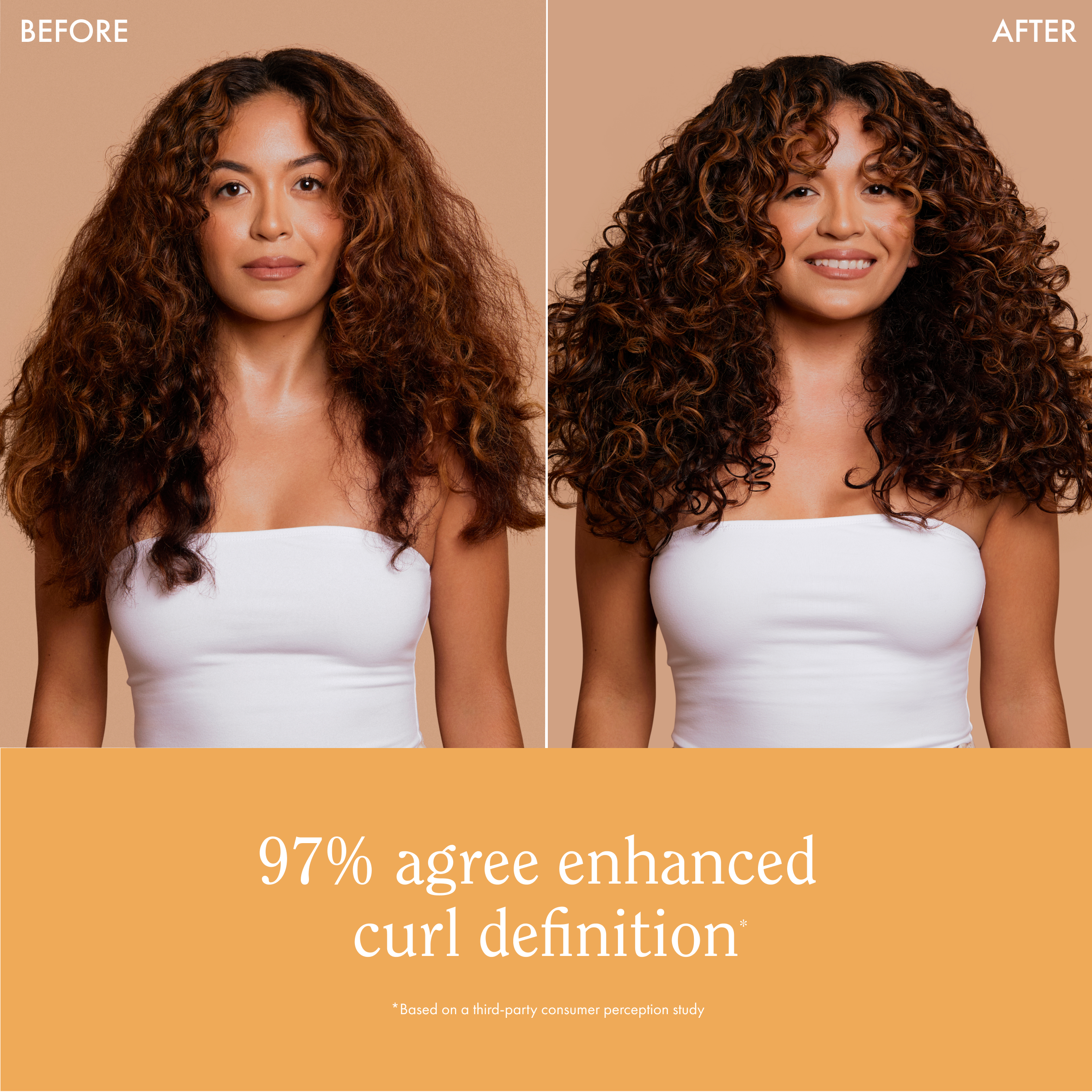
Frizz is one of the most common frustrations for women with wavy, curly, and afro hair across Europe. The combination of changing humidity levels, hard water, and a limited understanding of textured hair needs makes it especially difficult to manage. But frizz is not random. It follows patterns tied to your hair’s porosity, moisture levels, and the products you use. Once you understand those patterns, you can build a routine that actually works. This guide walks you through the science, the methods, and the products that deliver real results for hair types 2, 3, and 4.
Table of Contents
- Understand the causes of frizz in textured hair
- Master the LOC method: Moisture sealing for frizz reduction
- Choose products that truly tame frizz
- Tailor frizz control to your hair type: Wavy, curly, and afro routines
- What most frizz guides miss: The real key is respecting your hair’s unique needs
- Explore expert-approved curly hair solutions from Cocomera
- Frequently asked questions
Key Takeaways
| Point | Details |
|---|---|
| Porosity changes frizz | High porosity and chemical damage increase frizz risks for textured hair types. |
| LOC method works | Sealing moisture stepwise (leave-in, oil, cream) is proven to reduce frizz for curly and afro hair. |
| Top products matter | Selecting evidence-backed creams, serums, and moisturizers makes a noticeable difference in frizz control. |
| Routine is personalized | Effective frizz control requires unique routines for wavy, curly, or afro hair according to porosity and texture. |
| Natural beats chemicals | Long-term results favor natural styling and moisturizing over chemical relaxers for frizz management. |
Understand the causes of frizz in textured hair
Frizz happens when your hair’s outer layer, called the cuticle, lifts and allows moisture from the air to enter the strand unevenly. For wavy, curly, and afro hair, this is a constant battle because the natural shape of the hair makes it harder for moisture to travel from root to tip. That means the hair is already prone to dryness, and when humidity hits, the strand swells and frizzes.
Hair porosity plays a huge role here. Low porosity hair resists moisture absorption, while high porosity hair absorbs it too fast and loses it just as quickly. High porosity hair frizzes more, especially in bleached or chemically treated strands. Tighter afro coils like 4C need significantly more moisture to stay defined and frizz-free, and trimming every 6 to 12 weeks helps prevent the split ends that make frizz worse.
Humidity is the other major factor. When the air is wet, your hair absorbs that moisture through the cuticle. The result is swelling, puffing, and loss of curl definition. In European cities where weather shifts quickly, this can feel impossible to control without the right strategy.
Some everyday habits also make frizz worse without you realizing it:
- Towel drying with a regular cotton towel roughens the cuticle
- Brushing dry curly or afro hair disrupts the curl pattern
- Skipping conditioner leaves the cuticle exposed and reactive
- Washing with hot water opens the cuticle and makes it harder to seal
- Touching your hair while it dries breaks up clumps and causes frizz
“Bleached and high porosity hair types show significantly higher frizz ratios, and tighter coil patterns require more moisture to maintain definition. Regular trims every 6 to 12 weeks are essential for managing frizz long term.” — Cosmetics and Toiletries, Frizz Factors Revealed
For a deeper look at building a healthy foundation, curly hair care tips can help you understand how to approach your routine from the ground up.
Master the LOC method: Moisture sealing for frizz reduction
Understanding your hair’s needs is the first step. Now let’s get practical with a proven frizz-fighting routine.
The LOC method stands for Leave-in conditioner, Oil, and Cream. It is one of the most effective systems for sealing moisture into textured hair and keeping frizz at bay. The idea is simple: each layer locks in the one before it, creating a barrier that holds moisture inside the strand even when humidity is high.
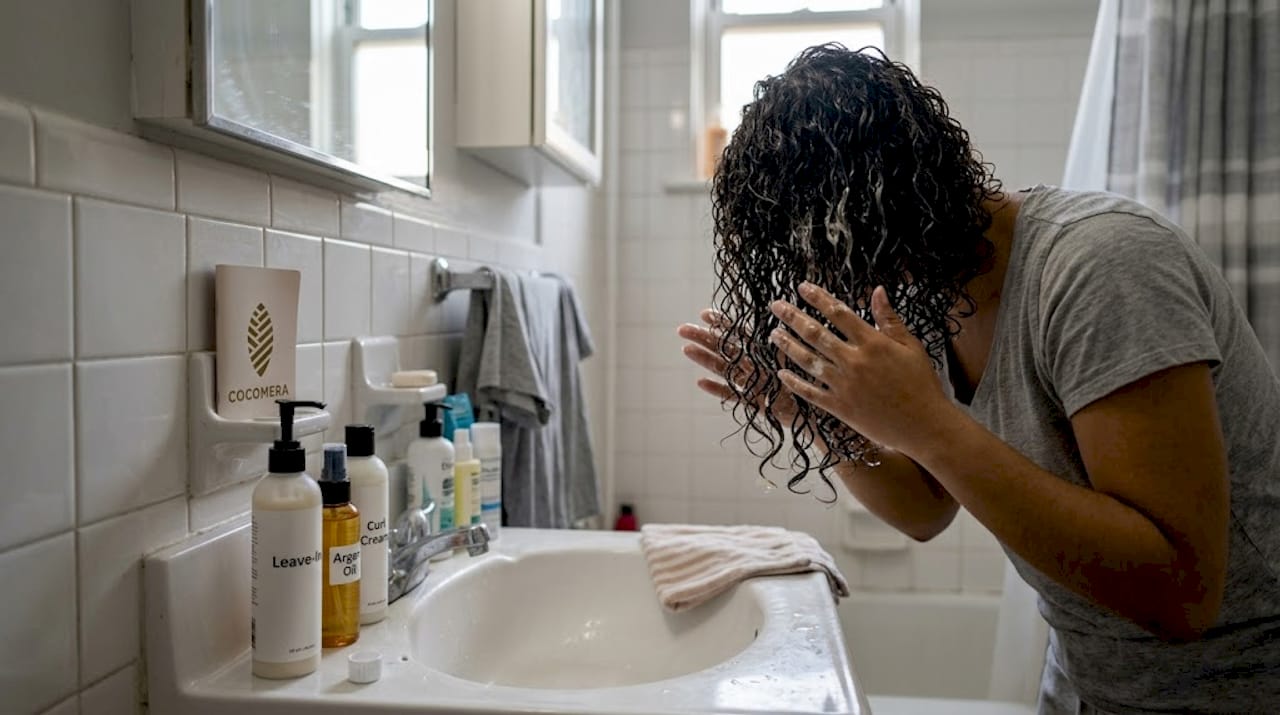
The LOC method seals moisture most effectively when you apply every product to soaking wet hair. This is the step most people skip, and it makes a significant difference. Wet hair allows the products to distribute evenly and penetrate the cuticle before it closes.
Here is how to apply the LOC method step by step:
- Wash and condition your hair thoroughly, then do not towel dry
- Apply leave-in conditioner section by section while hair is dripping wet
- Seal with oil by smoothing a lightweight oil like argan or jojoba over each section
- Layer on curl cream to define the curl and add a final moisture barrier
- Plop your hair in a microfiber towel or cotton t-shirt for 20 to 30 minutes
- Diffuse on low heat or air dry without touching the hair
The hair moisture guide on Cocomera’s blog explains why each of these steps matters at a deeper level, especially for 3C and 4A hair that tends to lose moisture fast.
Pro Tip: Plopping is a game-changer for reducing frizz while drying. Instead of rubbing or squeezing, lay your hair into a microfiber towel and let it sit. This keeps the curl clumps intact and prevents the friction that causes frizz. When you diffuse, apply on low heat and avoid moving the diffuser too much. Let the curls dry in place.
Choose products that truly tame frizz
With your LOC protocol set, it is time to pick products that make the biggest difference for frizz. Not all anti-frizz products are created equal, and the wrong formula for your hair type can actually make things worse.
Here is a comparison of three top-performing products available across Europe:
| Product | Best for | Key benefit | Price range |
|---|---|---|---|
| Living Proof No Frizz Cream | Wavy to curly (2A to 3B) | Smooths and tames frizz | Mid to high |
| Curlsmith Frizz Control Duo | Curly to coily (3A to 4B) | Detangles and reduces frizz | Mid |
| SheaMoisture Curl Smoothie | All curly and afro types | Affordable deep moisture | Budget friendly |
The Curlsmith Frizz Rescue Serum delivers 65% less frizz over 72 hours and 79% reduction at the 24-hour mark, making it one of the strongest performers for high humidity environments. Living Proof No Frizz Cream and the SheaMoisture Curl Smoothie round out the lineup with reliable moisture and smoothing benefits.
Who benefits most from each product:
- Living Proof No Frizz Cream: Best for fine to medium wavy and curly hair that needs smoothing without weight
- Curlsmith Frizz Control Duo: Ideal for thick, coily, or frizz-prone curls that need both definition and control
- SheaMoisture Curl Smoothie: Great for afro and 4C hair that needs rich, lasting moisture on a budget
Pro Tip: Serums and creams serve different purposes. A serum sits on top of the hair shaft and creates a barrier against humidity. A cream penetrates and adds moisture from within. If your hair is fine or wavy, start with a serum. If it is thick or coily, a cream will give you more control. For more guidance on choosing anti-frizz products by hair type, Cocomera has a full breakdown. You can also explore Keracare leave-in picks for a trusted leave-in option that works across multiple curl types.
Tailor frizz control to your hair type: Wavy, curly, and afro routines
While product selection is key, custom routines by hair type ensure your frizz control strategy works for you.
| Hair type | Frizz tendency | Porosity | Priority |
|---|---|---|---|
| Wavy (2A to 2C) | Moderate | Low to normal | Lightweight moisture, no crunch |
| Curly (3A to 3C) | High | Normal to high | Curl definition, moisture sealing |
| Afro/coily (4A to 4C) | Very high | High | Deep moisture, protective styling |
For wavy hair (2A to 2C):
- Use a sulfate-free shampoo two to three times per week
- Apply a light leave-in conditioner and a small amount of curl cream
- Scrunch out the crunch once dry for soft, defined waves
For curly hair (3A to 3C):
- Co-wash or use a gentle shampoo once or twice per week
- Follow the full LOC method with a medium-hold cream
- Diffuse on low and avoid touching until fully dry
For afro and coily hair (4A to 4C):
- Wash weekly or biweekly with a moisturizing shampoo
- Deep condition every wash day for at least 20 minutes
- Apply leave-in, butter or cream, and seal with a heavier oil like castor or shea
Additional tips for edge cases:
- Bleached or high porosity hair needs extra sealing with heavier oils and protein treatments to close the cuticle
- Natural styles outperform relaxers for long-term hair health and frizz reduction
- 4C hair benefits from stretching methods like banding or twist-outs to reduce shrinkage and frizz
- Protective styles like braids and twists give your hair a break from daily manipulation
For step-by-step guidance on afro hair routines and the best moisturizers for afro hair, Cocomera’s blog covers both in detail.
What most frizz guides miss: The real key is respecting your hair’s unique needs
Most frizz guides hand you a product list and a five-step routine. What they skip is the harder truth: no single routine works for everyone, and the biggest mistake is treating textured hair as a problem to fix rather than a hair type to understand.
Chemical relaxers are still marketed as a frizz solution, but relaxers increase breakage and hair loss compared to natural styling, with statistically significant results. That is not a minor side effect. It is a pattern that shows up consistently in research. Natural styles and moisture-sealing rituals are not just trends. They are the better long-term strategy.
The other thing most guides miss is texture-specific product matching. A gel that works beautifully on 3A curls can leave 4C hair crunchy and dry. Soft hold creams often outperform gels for tighter coils because they add moisture while providing hold. Knowing your porosity and curl type before buying products saves you money and frustration.
True frizz control is a practice, not a product. It is built on consistency, the right ingredients for your specific hair, and a willingness to stop fighting your texture. Explore natural afro hair routines that work with your hair instead of against it.
Explore expert-approved curly hair solutions from Cocomera
Ready to put these routines into action? Cocomera curates products specifically for wavy, curly, coily, and afro hair types, so you do not have to guess what will work for your texture.
From curly hair styling products that define without crunch to curly hair treatments that restore moisture and reduce breakage, every product in the collection is chosen with textured hair in mind. If your hair needs a deeper reset, the curly hair masks selection includes options for all porosity levels and curl types. Browse by hair type, find your routine, and start seeing real results.
Frequently asked questions
What are the best anti-frizz products for curly hair in Europe?
Living Proof No Frizz Cream, Curlsmith Frizz Control Duo, and SheaMoisture Curl Smoothie are highly rated and widely available across Europe, each suited to different curl types and budgets.
Does humidity make frizz worse for afro hair types?
Yes. Humidity pulls moisture into high porosity strands unevenly, lifting the cuticle and causing the strand to swell, which is especially noticeable in afro and coily hair types.
How often should I trim curly or afro hair to reduce frizz?
Trimming every 6 to 12 weeks removes split ends that travel up the strand and worsen frizz, keeping curls healthier and more defined between washes.
Are chemical relaxers safe for frizz control in textured hair?
Chemical relaxers reduce frizz temporarily but are linked to increased breakage and hair loss; natural styling combined with consistent moisture-sealing delivers better long-term results.


