


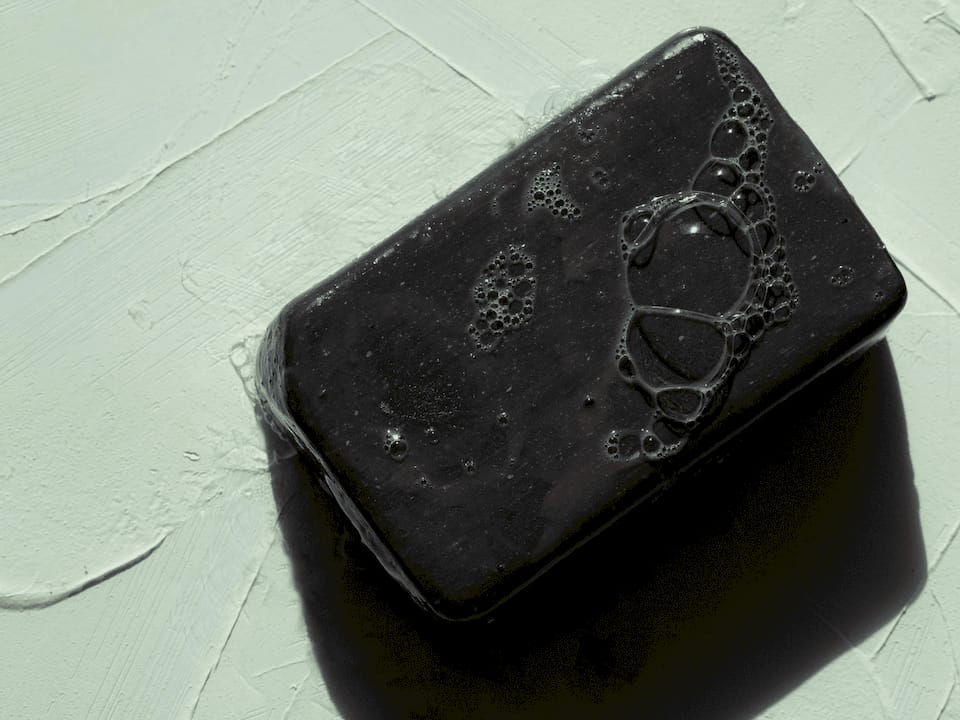
For oily, combination, or blemish-prone skin, the right black soap moisturizer combines African Black Soap extract with non-comedogenic emollients like jojoba oil and glycerin. That pairing clarifies without stripping and hydrates without clogging. Cocomera carries a curated selection of African Black Soap moisturizers formulated specifically for this balance. Here is what to look for, how to use them, and why the ingredient list matters more than the label.
At a glance:
-
Best for: Oily, combination, and blemish-prone skin types
-
Key ingredients to look for: African Black Soap extract, shea butter, jojoba oil, glycerin
-
Where to buy: Cocomera’s skincare collection
-
First step: Always patch-test before full-face use, per Cleveland Clinic guidance
Table of Contents
What does an African Black Soap moisturizer actually do?
A black soap moisturizer is not a cleanser in lotion form. It uses African Black Soap extract, or a low-concentration soap component, blended into a cream or lotion base to deliver mild clarifying and antibacterial properties without the pH shock of a raw soap bar. The result is a moisturizer that helps reduce excess sebum, minimize the look of blemishes, and hydrate skin simultaneously.
Texture and formats: Most formulations fall into three categories.
-
Lightweight lotions absorb quickly and suit oily or combination skin well; they rarely feel heavy after application.
-
Creams offer more occlusive protection and work better for combination skin with dry patches or for body use.
-
Balms are the richest option, better suited to dry areas or body use than to an oily T-zone.
Common active ingredients in these products include fair-trade shea butter, jojoba oil, mango seed oil, and glycerin, each chosen to offset the clarifying action of the soap extract with moisture-locking benefits.
Price range in the U.S.: Travel-size options (around 2 oz) typically run $8–$14. Standard sizes (8–13 oz) land in the $12–$20 range. Premium or specialty formulations can reach $25–$35. Most products are sold in single-use sizes or refillable formats through online retailers and curated beauty stores.
Quick note on “black soap” labeling: Not every product with “black soap” on the front actually contains traditional African Black Soap extract. Check the ingredient list for terms like Musa paradisiaca (plantain) ash, Theobroma cacao pod ash, or “African Black Soap extract” before buying.
Cocomera’s recommended African Black Soap moisturizer
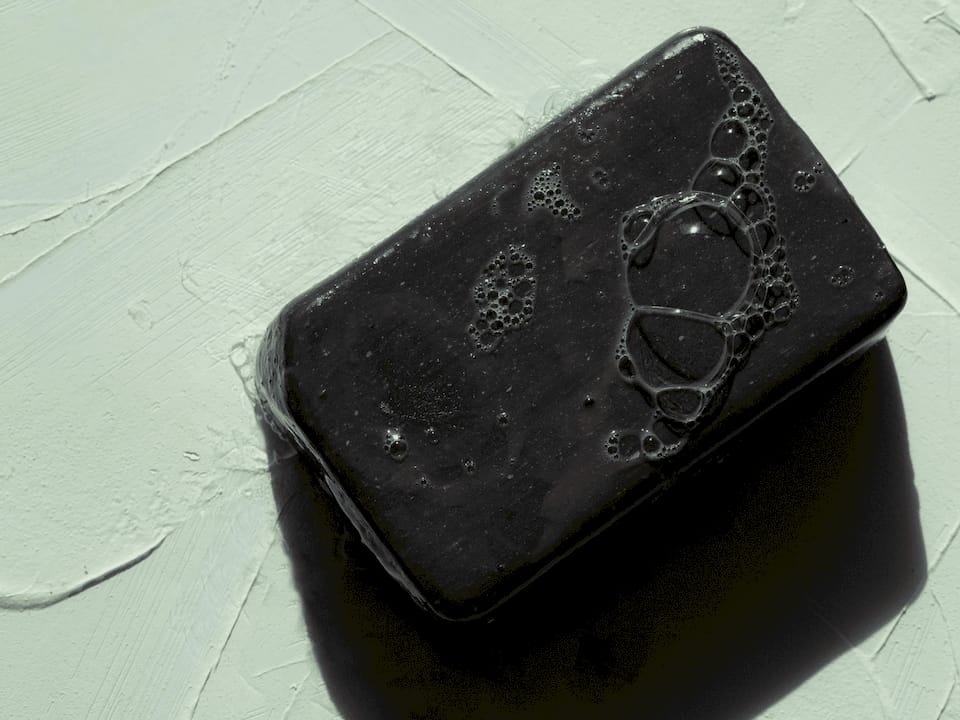
Cocomera’s featured pick for oily and combination skin is a balancing moisturizer built around African Black Soap extract, fair-trade shea butter, and jojoba oil. The formulation is lightweight enough for daily facial use and designed to hydrate without triggering breakouts.
Product specs:
-
Format: Lightweight lotion
-
Size options: Travel size (approx. 2 oz) and standard size (approx. 8 oz)
-
Price band: $10–$20 depending on size
-
Ships to: U.S. buyers via Cocomera’s online store
Key ingredient callouts:
-
African Black Soap extract — provides mild antibacterial and clarifying action
-
Fair-trade shea butter — adds conditioning fatty acids that offset the soap’s cleansing power
-
Jojoba oil — mimics the skin’s natural sebum; non-comedogenic and absorbs without residue
-
Glycerin — draws moisture into the skin and keeps the formula from feeling tight after application
Trust signals:
-
Paraben-free formulation
-
Ethically sourced shea butter
-
Non-comedogenic rating (does not contain known pore-clogging ingredients at high concentrations)
-
Cruelty-free
“African Black Soap can moisturize without stripping essential oils when formulas include conditioning fats like shea butter and moderate coconut-derived oils — the key is balance, not elimination.” Cleveland Clinic
Cocomera recommends this formulation for oily and combination skin because it delivers the clarifying benefits of black soap without the dryness that raw bars can cause. The shea butter and jojoba combination keeps the moisture barrier intact while the soap extract does its work on excess oil and surface buildup.
What ingredients should you look for and avoid?
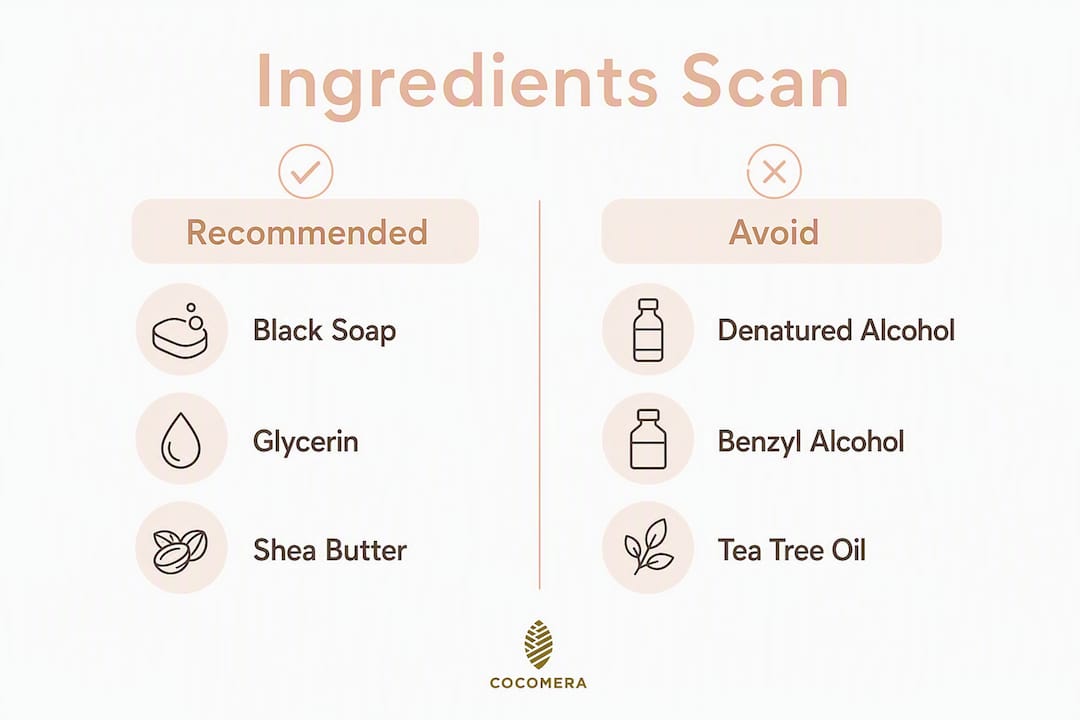
Reading an ingredient list on a black soap moisturizer takes about 30 seconds once you know what to scan for. Here is a practical breakdown.

Ingredients that earn their place
| Ingredient | Role | Skincare note |
|---|---|---|
| African Black Soap extract | Clarifier, mild antibacterial | Look for plantain ash or cocoa pod ash in the INCI list |
| Glycerin | Humectant | Draws water into skin; works best paired with an emollient |
| Hyaluronic acid | Humectant | Holds moisture at the surface; good for oily skin that still dehydrates |
| Jojoba oil | Emollient | Non-comedogenic; closely mimics skin sebum |
| Shea butter | Emollient + occlusive | Conditioning fatty acids; use in moderate amounts for oily skin |
| Mango seed butter | Emollient | Lighter than shea; good for combination skin |
| Squalane | Occlusive | Lightweight, stable, non-comedogenic; seals in moisture without grease |
| Aloe vera | Soothing agent | Calms redness; supports barrier recovery |
| Bisabolol | Soothing agent | Derived from chamomile; reduces irritation from clarifying actives |
Ingredients to watch or avoid
Some clarifying products containing African Black Soap flag Melaleuca alternifolia (tea tree) leaf oil, benzyl alcohol, limonene, and linalool as potential irritants, especially for anyone with a compromised skin barrier. Fragrance is the biggest wildcard: even “natural” fragrance can include dozens of undisclosed sensitizers.
Denatured alcohol (listed as alcohol denat.) is worth avoiding in a moisturizer because it evaporates fast and can leave skin drier than before. High concentrations of essential oils, particularly citrus-derived ones, increase photosensitivity.
Pro Tip: Authentic traditional African Black Soap ranges from beige to dark brown and has a soft, crumbly texture. A very hard, jet-black bar usually signals added hardening agents or synthetic black coloring — neither is a sign of quality. In a moisturizer, look for “African Black Soap extract” or the ash-derived INCI names rather than a generic “black soap” claim.
How to use a black soap moisturizer step by step
-
Cleanse first. Wash your face with a gentle, pH-balanced cleanser. If you use a raw African Black Soap bar as your cleanser, lather it in your hands or a washcloth first rather than rubbing the bar directly on your face to avoid abrasion.
-
Tone (optional). A hydrating toner or essence can prep the skin to absorb the moisturizer more evenly. Skip alcohol-based toners.
-
Apply the moisturizer. Use a pea-to-dime-sized amount for the face. Press and smooth gently rather than rubbing aggressively. For body use, apply to damp skin for better absorption.
-
Add sunscreen in the morning. African Black Soap has mild exfoliating properties, which increases UV sensitivity. Follow with an SPF 30 or higher. Cocomera carries Black Girl Sunscreen Make It Glow SPF 30, formulated for melanin-rich skin and lightweight enough to layer over a moisturizer.
-
Skip strong exfoliants on the same day. Do not combine a black soap moisturizer with high-concentration AHAs or BHAs in the same routine. The clarifying action of the soap extract plus an acid exfoliant is redundant at best and irritating at worst.
Frequency for new users: Start at 2–3 times per week and increase to daily use only if your skin tolerates it without tightness, redness, or flaking. This gradual approach prevents the pH disruption that can come from jumping straight to daily use of any alkaline-derived product.
Patch-test procedure: Apply a small amount to the inside of your wrist or behind your ear. Wait 24–48 hours. Redness, stinging, or itching within that window means the formula is not a good fit for your skin, at least not without adjustment.
Who should use it and what results can you expect?
Primary fit: Oily, combination, and blemish-prone skin types get the most from a black soap moisturizer. The clarifying extract addresses excess sebum and surface buildup while the humectants and emollients keep moisture levels stable. People with melanin-rich skin who want to address uneven tone alongside hydration also tend to respond well.
When to use with caution or avoid:
-
Active eczema or psoriasis: get dermatologist sign-off before introducing any clarifying product
-
Severely compromised skin barrier (raw, cracked, or weeping skin): wait until the barrier has recovered
-
Post-procedure skin (chemical peels, microneedling): the clarifying action can cause significant irritation on freshly treated skin
-
Very dry skin types: a black soap moisturizer alone may not provide enough occlusion; layer a richer cream on top
Expected timeline:
-
Week 1–2: Skin may feel slightly different as it adjusts; some users notice mild purging (small breakouts) as the clarifying action clears congestion.
-
Week 3–4: Oil balance typically begins to stabilize; skin feels less greasy by midday.
-
Week 5–6: Visible blemish reduction and more even texture are the most commonly reported improvements at this stage.
Red flags that mean stop and reassess:
-
Persistent redness or burning after more than three uses
-
Increased breakouts that do not resolve within two weeks
-
Skin that feels tight, rough, or looks flaky after application
-
Any sign of an allergic reaction (hives, swelling, intense itching)
Safety, patch testing, and allergen considerations
Patch testing is non-negotiable before full-face use of any black soap product. The exfoliating nature of African Black Soap can cause redness or stinging on sensitive or barrier-compromised skin, and a 48-hour patch test catches most reactions before they become a problem.
Patch-test steps:
-
Apply a small amount of product to the inner wrist or behind the ear.
-
Leave it on without washing for 24 hours.
-
Check at 24 hours and again at 48 hours.
-
If you see redness, feel stinging, or notice swelling, do not use the product on your face.
-
If there is no reaction after 48 hours, proceed with a single application on a small facial area before going full-face.
Common allergens in black soap moisturizers to scan for:
-
Fragrance (listed as “fragrance,” “parfum,” or individual fragrance components)
-
Limonene and linalool (common fragrance components; frequent sensitizers)
-
Benzyl alcohol (preservative that can irritate compromised skin)
-
Melaleuca alternifolia leaf oil (tea tree oil; beneficial in low concentrations but irritating at higher levels)
-
Essential oils at high concentrations (citrus oils in particular increase photosensitivity)
“When evaluating products marketed around African Black Soap, check for the absence of parabens, sulfates, and artificial fragrances. These omissions align with traditional soap benefits and reduce irritation risk for sensitive skin.” Healthline
Do not combine with: High-concentration retinoids (0.5% retinol or above) in the same routine without tapering. Applying a clarifying black soap product immediately after a professional chemical peel is also a bad idea. Both combinations increase the risk of barrier damage.
If you have a medically managed skin condition, consult a dermatologist before adding any clarifying product to your routine.
What to moisturize with after using African Black Soap
After cleansing with a raw African Black Soap bar, the skin needs moisture fast. Because black soap is naturally alkaline, it can disrupt the skin’s pH if you leave it unaddressed. The goal is to seal in hydration with a humectant-first, light-emollient-second approach.
Why the order matters: Humectants like glycerin draw water to the skin surface. Emollients like squalane or jojoba oil lock that water in. Apply them in that sequence and you get sustained hydration without the greasy finish that heavier occlusives can leave on oily skin.
Ingredient pairing chart by skin concern
| Skin concern | Recommended ingredient combo |
|---|---|
| Oily, blemish-prone | Glycerin + squalane + niacinamide |
| Combination (oily T-zone, dry cheeks) | Glycerin + jojoba oil + light shea butter |
| Uneven tone or post-blemish marks | Glycerin + vitamin C (ascorbic acid) + squalane |
| Sensitivity or redness | Aloe vera + bisabolol + ceramides |
| Dry patches alongside oily zones | Hyaluronic acid + mango butter + squalane |
AM routine (oily/combination): Cleanser → hydrating toner → glycerin-based moisturizer → SPF 30 or higher. Keep it light in the morning; the sunscreen step is not optional when you are using clarifying actives.
PM routine: Cleanser → optional serum (niacinamide or vitamin C) → black soap moisturizer → spot treatment on active blemishes only.
Pro Tip: Apply spot treatments to individual blemishes only, not as a full-face layer under your moisturizer. Stacking a clarifying spot treatment with a black soap moisturizer across the entire face doubles the exfoliating load and increases the chance of irritation, especially around the nose and chin where skin is thinner.
Why African Black Soap works in both cleansers and moisturizers
Traditional African Black Soap is made through saponification using plant ash from plantain peels or cocoa pods rather than synthetic lye. That process yields a soap that retains glycerin and unrefined conditioning oils alongside its cleansing agents. The glycerin and unsaponified shea butter that survive the process are part of why traditional black soap is less stripping than many commercial detergent bars.
The antibacterial and mild exfoliating properties come from the plant ash alkalinity and the natural fatty acids in the base oils. When formulators want those benefits in a moisturizer, they face a problem: raw black soap at full strength is too alkaline for a leave-on product. The solution is to use black soap-derived extracts or low-concentration soap components blended with humectants and emollients. That approach delivers the clarifying and antibacterial action at a pH that skin can tolerate without barrier disruption.
“Because African Black Soap is naturally alkaline, excessive or daily use without buffering moisturizers can disrupt skin pH and the barrier. Formulations that combine black soap components with humectants and emollients mitigate that risk.” Cleveland Clinic
Authenticity matters here too. Traditional bars are soft and crumbly, ranging from beige to dark brown, because the process preserves natural glycerin and oils. Commercial imitations often use synthetic lye and black coloring to mimic the look without the functional benefits. In a moisturizer, the quality of the extract traces back to the quality of the source soap.
Where to buy, sizes, and what to expect on price
Black soap moisturizers are widely available in the U.S. through online retailers, natural beauty stores, and curated specialty shops. Prices vary significantly by size and formulation quality.
| Size | Typical price band | Best for |
|---|---|---|
| Travel size (2 oz) | $8–$14 | First-time users; patch-testing a new formula |
| Standard size (8–10 oz) | $12–$20 | Regular daily or every-other-day use |
| Large / value size (13 oz) | $12–$20 | Body use or confirmed long-term users |
| Premium formulation | $25–$35 | Specialty actives, certified organic, or artisan sourcing |
Where to shop:
-
Curated online stores like Cocomera offer vetted formulations with ingredient transparency and ship to U.S. buyers.
-
Brand direct sites give full ingredient lists and often include detailed usage guidance.
-
General online marketplaces have wide selection but require more careful label-reading to avoid imitations.
Purchase checklist before you buy:
-
Confirm “African Black Soap extract” or ash-derived INCI names appear in the ingredient list
-
Check for fragrance-free or low-fragrance formulation if your skin is reactive
-
Verify non-comedogenic claim if you have acne-prone skin
-
Look for cruelty-free and fair-trade certifications where they matter to you
-
Choose travel size for a first purchase to test tolerance before committing to a full bottle
Shipping times from U.S.-based or U.S.-shipping retailers typically run 3–7 business days for standard delivery. Returns policies vary; check before buying, especially for skincare.
Key Takeaways
A black soap moisturizer with African Black Soap extract, glycerin, and non-comedogenic emollients is the most effective option for oily or combination skin that needs both clarification and hydration.
| Point | Details |
|---|---|
| Best skin type fit | Oily, combination, and blemish-prone skin benefit most; avoid on active eczema without dermatologist guidance. |
| Ingredient check | Look for African Black Soap extract, glycerin, jojoba oil, and shea butter; avoid fragrance and benzyl alcohol if skin is reactive. |
| Start slow | Begin at 2–3 times per week and increase frequency only if skin shows no tightness, redness, or flaking. |
| Patch-test first | Apply to a small skin area before full-face use; discontinue if redness or stinging appears. |
| Cocomera’s pick | Cocomera carries a curated African Black Soap moisturizer with fair-trade shea butter and jojoba oil, available at cocomera.se. |
Why Cocomera recommends this formulation
Cocomera focuses on products built for textured hair and melanin-rich skin, and that specificity carries into the skincare side of the catalog. Most mainstream moisturizers are formulated for a generic skin type that does not account for the particular needs of deeper skin tones, including a higher tendency toward post-inflammatory hyperpigmentation and the need for ingredients that clarify without triggering more discoloration.
African Black Soap has a long history in West African skincare traditions precisely because it addresses these concerns without harsh synthetic actives. A well-formulated black soap moisturizer, with fair-trade shea butter and non-comedogenic oils, fits that brief. Cocomera curates products that meet this standard rather than stocking every product that carries the label.
The recommendation here is not about brand loyalty. It is about ingredient transparency, ethical sourcing, and formulations that actually match the skin concerns of the people shopping for them.
Find Cocomera’s African Black Soap moisturizer
Cocomera’s skincare selection is built for people who want ingredient transparency and products that match their skin’s actual needs, not a generic formula dressed up with a trending ingredient.
The African Black Soap moisturizer available through Cocomera combines fair-trade shea butter, jojoba oil, and glycerin in a lightweight lotion format designed for oily and combination skin. It ships to U.S. buyers, and the full ingredient list is listed on the product page so you can check it against your own sensitivities before ordering.
Pair it with a melanin-skin-friendly sunscreen for a complete AM routine, or browse Cocomera’s hair treatments collection if you want to extend the same ingredient-first approach to your textured hair care.
Browse the full skincare and hair care range at cocomera.se and check current availability, sizes, and pricing directly on the product page.
Sources and further reading
-
African Black Soap — Cleveland Clinic: Clinical overview of African Black Soap, including application guidance, moisturizing properties, and patch-test recommendations.
-
African Black Soap Benefits — Healthline: Evidence-based summary of benefits, irritant risks, and gradual introduction advice for new users.
-
African Black Soap — Wikipedia: Background on origins, traditional production, and global distribution of African Black Soap.
-
SheaMoisture African Black Soap Clarifying Mud Face Mask — Ingredient Analysis — SkinWis: Ingredient-level review flagging potential irritants in clarifying black soap formulations.
This article is general skincare information, not medical advice. If you have a diagnosed skin condition or are managing a compromised skin barrier, confirm any new product introduction with a dermatologist.
Recommended
-
African Pride Moisture Miracle Honey, Chocolate & Coconut Oil Conditio – Cocomera
-
Shea Moisture RAW SHEA BUTTER DEEP Treatment MASQUE 355ml – Cocomera
-
African Pride Moisture Miracle Coconut Oil & Baobab Oil Leave-In Cream – Cocomera
-
Shea Moisture Jamaican Black Castor Oil Strengthen & Restore Smoothie – Cocomera


