


TL;DR:
Sulfate-free shampoos use milder, plant-derived surfactants, which better suit textured hair, especially curly, coily, and afro types.
They preserve natural oils, reduce frizz, and support scalp health, leading to improved moisture retention and curl definition.
Sulfate-free shampoo is defined as a cleanser that replaces harsh surfactants like sodium lauryl sulfate (SLS) and sodium laureth sulfate (SLES) with milder, often plant-derived alternatives. For wavy, curly, coily, and afro hair types, this distinction matters more than it does for any other hair category. Textured hair is structurally drier than straight hair because natural oils from the scalp travel slowly down the curl’s spiral shape. Stripping those oils with aggressive sulfates leaves curls brittle, frizzy, and prone to breakage. Understanding why use sulfate-free shampoo starts with understanding what textured hair actually needs: gentle cleansing that preserves moisture and keeps curl definition intact.
Why use sulfate-free shampoo for textured hair health
Sulfate-free shampoos preserve natural oils that are critical for moisture retention and curl definition in textured hair. Those oils coat the hair cuticle, keeping it smooth and reducing the friction that causes frizz. When SLS or SLES strips them away, the cuticle lifts, moisture escapes, and curls lose their shape.
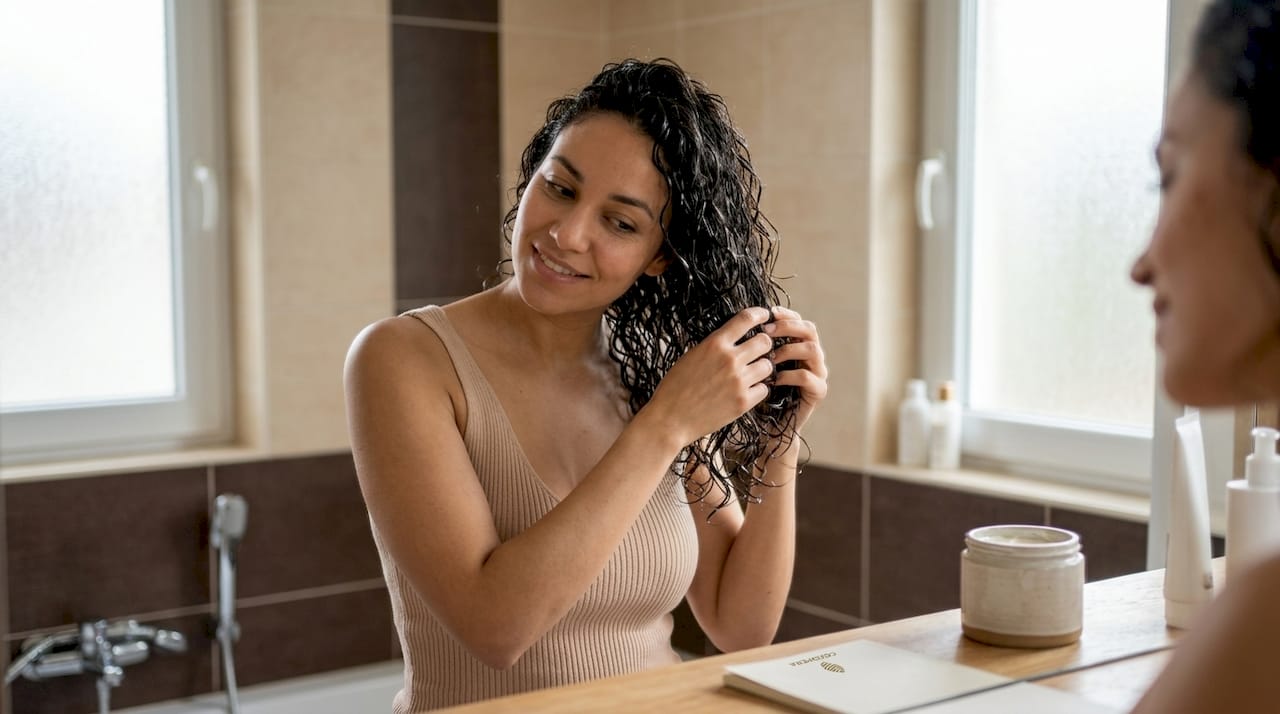
The benefits of sulfate-free shampoo show up quickly with consistent use. Experts confirm that people with wavy, curly, and coily hair typically see reduced frizz within 2–3 weeks of switching. That timeline reflects how fast the cuticle responds when it stops being over-stripped at every wash.
Here are the core advantages of sulfate-free hair products for textured hair:
-
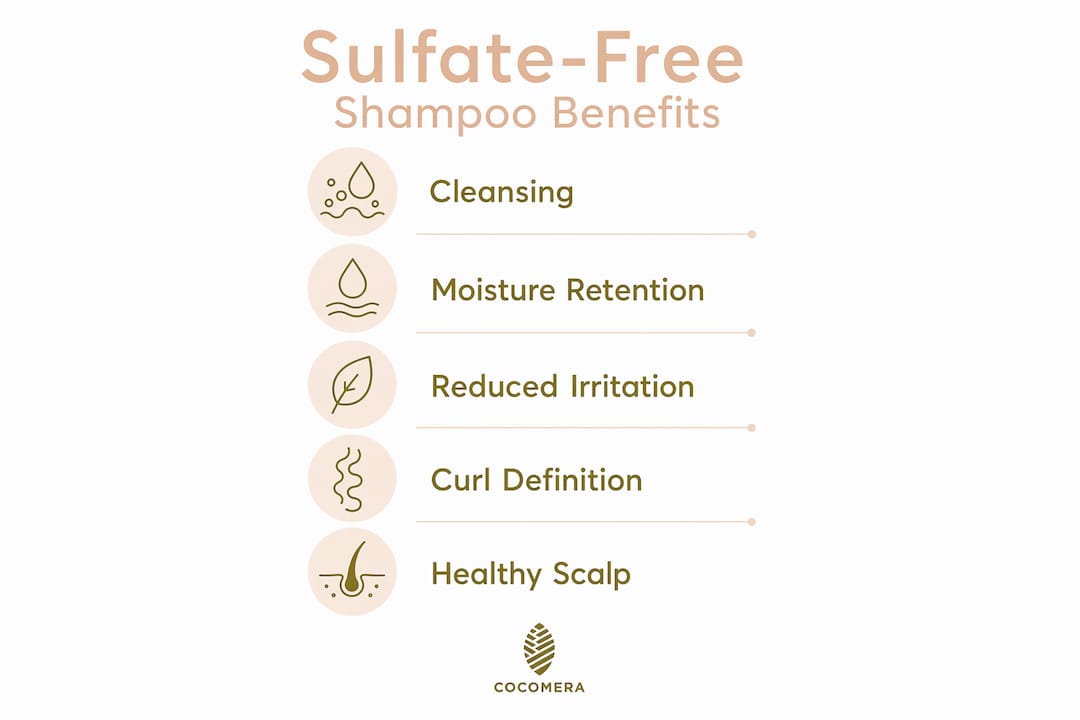
Moisture retention: Milder surfactants clean the scalp without pulling out the sebum that curls depend on for hydration.
-
Reduced frizz: A smoother cuticle layer means less atmospheric moisture gets absorbed, so curls stay defined longer.
-
Scalp comfort: Sulfate-free formulas significantly reduce scalp irritation and dryness compared to traditional sulfates, which matters for anyone dealing with a sensitive or reactive scalp.
-
Color protection: Sulfate-free shampoo advantages extend to color-treated hair. Milder surfactants do not lift the cuticle as aggressively, so color molecules stay locked in longer between salon visits.
-
Scalp microbiome support: Gentler surfactants preserve the scalp’s natural pH balance and nourish healthy hair follicles, which supports long-term hair density.
Pro Tip: If your curls feel dry the day after washing with a sulfate-based shampoo, that is a direct signal that the formula is over-stripping. Switching to a sulfate-free option is the most direct fix.
Knowing the best ingredients for textured hair alongside sulfate-free formulations helps you build a routine that works from wash day to the next.
What makes sulfate-free shampoos chemically different?
The core difference between sulfate-free and traditional shampoos is the type of surfactant used. Traditional shampoos rely on SLS or SLES, which are highly effective at removing oils and dirt but also aggressive enough to cause dryness and brittleness when used frequently on dry or curly hair. Sulfate-free formulas use milder alternatives such as cocamidopropyl betaine, sodium cocoyl isethionate, or decyl glucoside. These are often derived from coconut or sugar sources and clean without the same level of stripping.
A common concern people raise is foam. Sulfate-free shampoos produce less dense lather than their sulfate counterparts. Many people associate thick foam with effective cleaning, but that connection is not accurate. Modern sulfate-free formulations create functional lather; inadequate foaming usually results from improper wetting or technique, not from a weak formula.
Here is how the cleansing process actually differs:
-
Wetting: Sulfate-free surfactants require thorough pre-wetting of the hair and scalp to activate properly. Dry application reduces lather and cleansing power.
-
Surfactant action: Milder surfactants surround and lift dirt and excess oil without bonding aggressively to the hair’s lipid layer.
-
Rinsing: Because less oil is stripped, the rinse water feels less “squeaky clean.” That sensation is actually a sign that the hair’s protective layer is intact.
-
Residue removal: Sulfate-free options clean everyday buildup well. They are less effective at removing heavy silicones or waxes, which require a different approach.
-
Scalp response: Without the aggressive stripping of SLS, the scalp does not overcompensate by producing excess sebum, which means wash frequency can often decrease over time.
Understanding this chemistry helps you set realistic expectations. The goal is not maximum foam. The goal is clean hair with its moisture barrier still intact.
What to expect when switching to sulfate-free shampoo
Switching to sulfate-free hair care is not always instant. A 2–4 week adjustment phase is common as the scalp’s sebum production recalibrates after years of being over-stripped. During this period, hair can feel waxy, heavy, or flat. This is not a sign that the new shampoo is failing. It is the scalp normalizing.
Technique matters more with sulfate-free formulas than it does with sulfate-based ones. Because the surfactants are milder, thorough scalp massage is the primary mechanical tool for loosening buildup. Fingertip pressure on the scalp replaces some of the chemical work that SLS would otherwise do.
Key practices for a successful switch:
-
Pre-detox wash: Do one clarifying wash with a sulfate-based shampoo before starting your sulfate-free routine. This removes silicone and wax buildup so the new formula starts with a clean slate.
-
Thorough wetting: Saturate hair completely before applying shampoo. Dry hair reduces lather and leaves the scalp under-cleaned.
-
Scalp-focused massage: Spend at least 60 seconds working the product into the scalp with your fingertips, not your nails. This lifts sebum and debris mechanically.
-
Double cleanse when needed: On wash days after heavy product use, apply the shampoo twice. The first pass loosens buildup; the second pass cleans.
-
Monthly clarifying treatment: Heavy styling product users should do a monthly clarifying wash to prevent residue accumulation that sulfate-free formulas cannot fully address alone.
Pro Tip: If your hair still feels heavy after two weeks on a sulfate-free formula, check your conditioner and styling products for heavy silicones. Those ingredients require a sulfate-based cleanser to remove fully.
For a deeper look at how to clear buildup without disrupting your curl pattern, the guide on clarifying textured hair covers the full process step by step.
Who should choose sulfate-free shampoo?
Sulfate-free shampoo is the right default choice for most people with textured hair. It is especially well-suited for specific hair and scalp profiles. Knowing where you fall helps you decide whether to go fully sulfate-free or use a hybrid approach.
| Hair or scalp profile | Sulfate-free recommendation |
|---|---|
| Dry, coily, or type 4 hair | Strong yes. Natural oils are scarce; preserving them is critical. |
| Wavy or curly (type 2–3) | Yes. Sulfate-free maintains curl definition and reduces frizz. |
| Color-treated hair | Yes. Milder surfactants extend color life between appointments. |
| Sensitive scalp, eczema, or dermatitis | Yes. Sulfate-free formulas reduce irritation for rosacea and contact dermatitis sufferers. |
| Oily scalp with heavy product use | Hybrid approach. Use sulfate-free weekly and a clarifying shampoo monthly. |
The sulfate-free shampoo for sensitive scalp case is particularly strong. SLS is a known irritant at higher concentrations, and people with eczema or contact dermatitis often see immediate improvement after switching. Cocomera’s collection of shampoos for dry and itchy scalps focuses specifically on this need with formulas designed for reactive scalps.
One nuance worth knowing: sulfates are not inherently harmful. Concentration and frequency of use determine their impact. A person with a naturally oily scalp who washes once a week may tolerate a low-concentration sulfate formula without issue. The problem arises when high-concentration sulfate shampoos are used frequently on hair that is already dry. Textured hair almost always falls into that category, which is why the sulfate-free default makes sense for this audience.
Listening to your hair’s response is the most reliable guide. If your curls feel dry, brittle, or dull within 24 hours of washing, the cleanser is too aggressive. If your scalp itches or flakes after washing, the surfactant is likely irritating your skin barrier. Both signals point toward a gentler formula.
Key Takeaways
Sulfate-free shampoo is the most effective daily cleanser for textured hair because it preserves the natural oils, scalp balance, and cuticle integrity that curls require to stay defined and healthy.
| Point | Details |
|---|---|
| Moisture preservation | Sulfate-free formulas keep natural oils intact, which textured hair needs for hydration and curl definition. |
| Frizz reduction | Smoother cuticles from gentler cleansing reduce frizz, with visible results typically within 2–3 weeks. |
| Scalp health | Milder surfactants lower irritation and support the scalp’s natural pH, benefiting sensitive or reactive scalps. |
| Adjustment period | Expect a 2–4 week transition phase; use scalp massage and occasional clarifying washes to manage buildup. |
| Hybrid approach | Heavy product users benefit from a monthly sulfate-based clarifying wash alongside a sulfate-free daily routine. |
The thing most people get wrong about sulfate-free shampoo
At Cocomera, we hear the same frustration regularly: “I switched to sulfate-free and my hair felt worse.” Almost every time, the issue is not the shampoo. It is the technique or the rest of the routine.
Sulfate-free shampoo is not a passive swap. It requires you to work the product into your scalp with intention. The foam will not do the heavy lifting for you the way SLS does. That is actually the point. You are trading chemical aggression for mechanical effort, and your hair retains its oils as a result.
The other mistake is expecting sulfate-free shampoo to fix everything on its own. It is one part of a system. If you are using heavy silicone-based styling products and washing with a sulfate-free formula, buildup is inevitable. The solution is not to go back to sulfates. The solution is to audit your full routine, including your conditioning and styling products, and make sure everything works together.
The brands and products Cocomera curates are chosen specifically because they function as a system for textured hair. A sulfate-free shampoo paired with the right leave-in and curl cream produces results that no single product can deliver alone. Technique, product compatibility, and consistency matter more than any one ingredient label.
— Cocomera
Sulfate-free shampoos and styling products at Cocomera
Cocomera curates sulfate-free shampoos and complementary styling products specifically for wavy, curly, coily, and afro hair types. Every product in the range is selected because it supports moisture retention, curl definition, and scalp health as a complete system.
The strengthening shampoos for curly hair at Cocomera are formulated without SLS or SLES and pair directly with the site’s leave-in conditioners and curl creams. For styling, the curl creams and hair creams are chosen to work with sulfate-free cleansing routines, not against them. If you are building a new wash-day routine or refining an existing one, Cocomera’s full range of hair treatments for curly hair covers every step from cleanse to style.
FAQ
Does sulfate-free shampoo actually clean hair?
Yes. Sulfate-free shampoos clean effectively when applied to thoroughly wet hair with proper scalp massage. The lather is less dense than sulfate formulas, but cleansing efficacy is not reduced when technique is correct.
How long does it take to see results from sulfate-free shampoo?
Most people with textured hair notice reduced frizz and improved moisture within 2–3 weeks of consistent use. An initial adjustment phase of 2–4 weeks may include a waxy or heavy feeling as the scalp recalibrates.
Is sulfate-free shampoo better for a sensitive scalp?
Yes. Sulfate-free formulas significantly reduce scalp irritation and dryness compared to SLS-based shampoos, making them the recommended choice for people with eczema, rosacea, or contact dermatitis.
Do I ever need a regular sulfate shampoo if I use sulfate-free?
Heavy users of silicone-based or wax-based styling products benefit from a monthly clarifying wash with a sulfate-based shampoo to remove buildup that milder surfactants cannot fully lift.
What hair types benefit most from sulfate-free shampoo?
Type 2 wavy, type 3 curly, and type 4 coily and afro hair types benefit most. These hair structures are naturally drier and more prone to frizz, making oil preservation through gentle cleansing a priority.


