


TL;DR:
- Co-washing uses conditioner and manual massage to clean textured hair, preserving moisture and curl definition. Regular shampoo with surfactants removes oils more aggressively and helps prevent buildup, especially for oily or fine hair. Balancing both methods every few weeks supports scalp health and maintains healthy, defined curls.
Co-washing is defined as cleansing hair with conditioner instead of traditional shampoo, specifically to preserve moisture in textured hair types. The debate over why co-wash vs shampoo matters comes down to one core difference: shampoo removes oils aggressively, while co-washing keeps them intact. For wavy, curly, coily, and afro hair, that distinction shapes everything from curl definition to scalp health. Neither method wins outright. The real answer is knowing when to use each one.
How do co-washing and shampoo differ chemically?
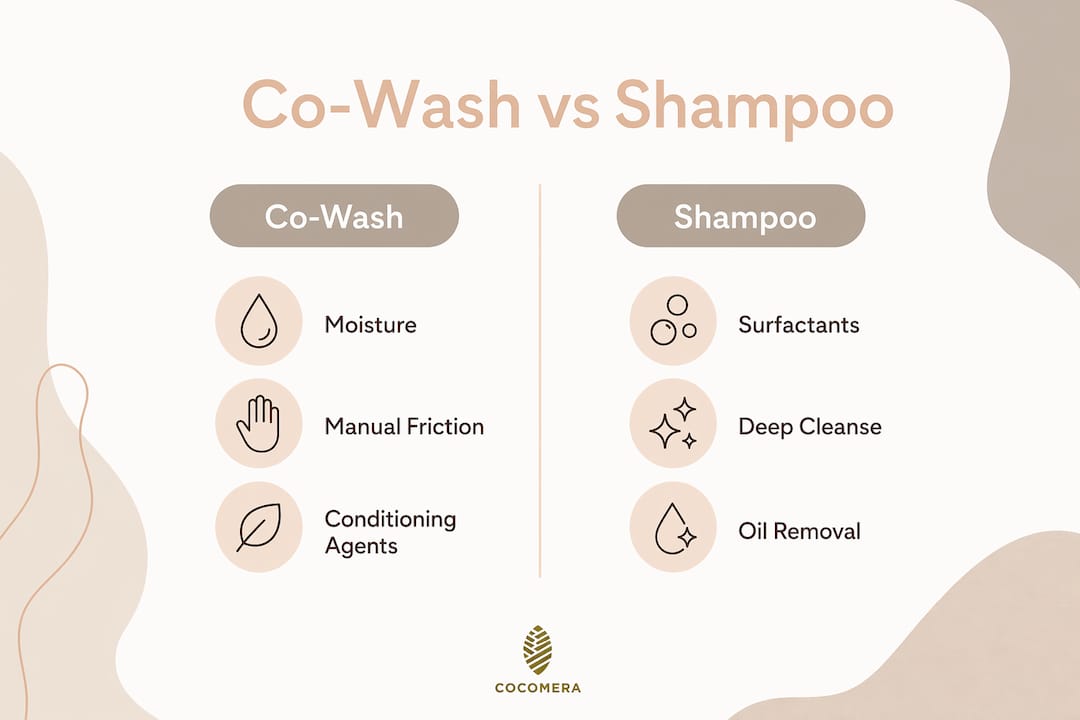
Shampoos use surfactants to bind to sebum and dirt, then rinse them away with water. That process is effective but aggressive. It strips the natural oils your hair needs to stay flexible and defined.

Co-washing works differently. Conditioners deposit positively charged agents that cling to hair shafts to add moisture, rather than lift oils away. This creates a chemical contradiction: conditioners are designed to stick, while shampoos are designed to remove. That is why co-washing alone cannot fully replace shampoo as a cleanser.
The actual cleaning in a co-wash comes from manual friction. Fingertip scalp massage physically loosens dirt and buildup when you apply the conditioner. Without that active massage, you are just coating your hair, not cleaning it.
Here is a direct comparison of the two methods:
| Feature | Co-wash | Shampoo |
|---|---|---|
| Cleansing mechanism | Manual friction + conditioning agents | Surfactant chemistry |
| Oil removal | Minimal | High |
| Moisture retention | High | Low to moderate |
| Risk of buildup | Moderate to high over time | Low |
| Best for | Dry, textured, coily hair | Oily scalp, fine hair, heavy product use |
What hair types benefit most from co-washing versus shampoo?
Not every hair type responds the same way to co-washing. Knowing your texture, scalp condition, and porosity helps you choose the right method.
Tight coil patterns prevent scalp oils from traveling down the hair shaft. That leaves the scalp oily and the ends dry at the same time. Co-washing helps preserve what little moisture reaches those ends. This is why Type 3 and Type 4 hair textures respond so well to conditioner-only cleansing.
Hair types and scalp conditions that benefit from co-washing:
-
Type 3 and Type 4 curls and coils that are chronically dry or prone to breakage
-
Chemically treated or color-treated hair, which loses moisture faster due to structural damage. Co-washing reduces moisture loss and mechanical stress for these hair types
-
High-porosity hair that absorbs and loses moisture quickly
-
Scalps that produce low sebum and feel tight or flaky after shampooing
Hair types that still need regular shampoo:
-
Fine or low-density hair, where conditioner residue weighs strands down and creates a greasy feel
-
Oily scalps that produce excess sebum and need surfactant-based cleansing to stay balanced
-
Heavy product users who apply gels, butters, or waxes regularly. Those ingredients do not rinse out with conditioner alone
Understanding your hair’s moisture needs is the starting point for deciding how often to co-wash versus shampoo.
How often should you co-wash versus shampoo?
Frequency is where most people get this wrong. Co-washing too often without shampooing causes buildup. Shampooing too often without co-washing causes dryness. The right balance depends on your hair type and lifestyle.
Extremely textured or dehydrated hair can co-wash every 2–3 days, while fine or oily hair should shampoo more frequently to avoid greasiness. That range gives you a practical starting point.
A sample weekly wash schedule for Type 3 and Type 4 hair:
-
Day 1: Shampoo or clarifying shampoo to reset the scalp and remove buildup
-
Day 3 or 4: Co-wash with a dedicated conditioning cleanser, focusing on scalp massage
-
Day 6 or 7: Co-wash again if hair feels dry or after a workout
-
Every 2–4 weeks: Use a clarifying shampoo to fully strip product residue and reset the scalp environment
Hair experts recommend shampooing every 2–4 weeks even for those who co-wash regularly. Skipping shampoo entirely for months creates a lipid-rich environment on the scalp that feeds bacteria and disrupts pH balance.
Pro Tip: If your scalp itches between wash days or your curls look flat and weighed down, that is a buildup signal. Move your next shampoo day forward rather than adding more conditioner.
What are the benefits and risks of relying solely on co-washing?
Co-washing has real benefits, but treating it as a complete replacement for shampoo creates problems over time.
Benefits of co-washing for textured hair:
-
Retains natural oils that define curl pattern and prevent breakage
-
Reduces friction during washing, which lowers mechanical damage
-
Keeps hair softer and more manageable between full wash days
-
Supports color-treated or chemically processed hair that cannot handle frequent surfactant cleansing
Risks of exclusive co-washing:
-
Follicle congestion and scalp pH disruption from accumulated sebum and product residue
-
Dandruff or scalp irritation caused by an imbalanced microbiome
-
Reduced curl definition as conditioner layers build up on the hair shaft
-
Potential hair growth issues if follicles remain clogged over extended periods
Early signs of co-wash buildup include dull, limp curls that do not respond to styling products, a scalp that feels itchy or smells off between washes, and hair that feels coated rather than moisturized after washing.
Co-washing works best as a supplement to, not a substitute for, regular shampooing to avoid follicle congestion and ensure scalp health.
The fix is simple. Rotate in a sulfate-free strengthening shampoo every few weeks to clear the slate without stripping your hair’s moisture barrier.
How to build a routine that uses both methods effectively
A balanced routine does not mean alternating randomly. It means reading your hair’s signals and responding with the right cleanser at the right time.
Gentle, sulfate-free shampoos maintain moisture while cleansing, making them the right choice when your scalp needs a reset but your ends cannot handle harsh surfactants. Pair those with a dedicated co-wash product for mid-week hydration.
Steps for a practical co-wash and shampoo routine:
-
Section your hair before washing to make sure the product reaches your scalp, not just your outer strands
-
Massage your scalp actively for at least two minutes during a co-wash. Applying conditioner without massage is insufficient for real cleansing
-
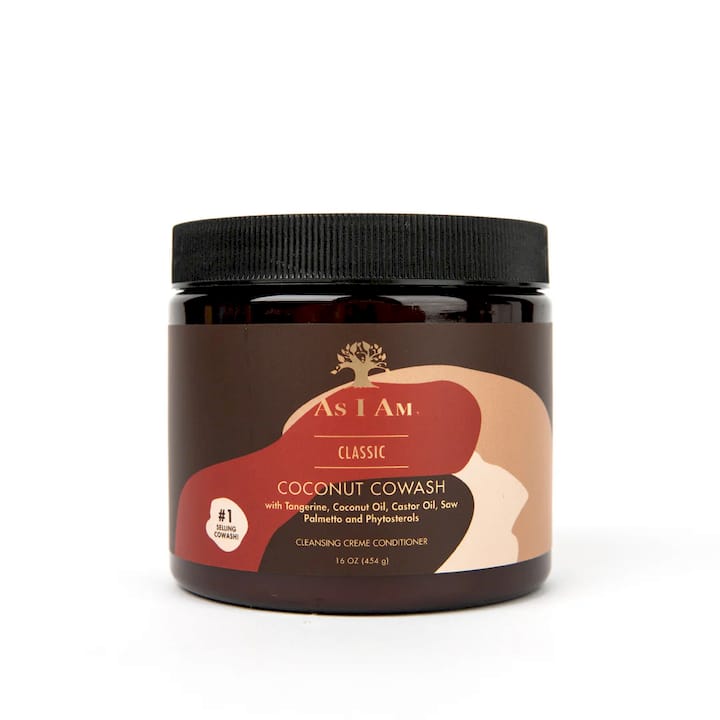
Use a co-wash product specifically formulated for cleansing, not a standard rinse-out conditioner. Products like dedicated cleansing conditioners from brands carried at Cocomera are designed with this balance in mind
-
Follow every shampoo day with a deep conditioner to restore moisture after surfactant cleansing
-
Track your styling products and increase shampoo frequency if you use heavy butters, waxes, or gels regularly
Knowing the best ingredients for textured hair helps you choose co-wash and shampoo products that actually work for your curl type, rather than guessing at the shelf.
Pro Tip: Your hair tells you what it needs. Dry, crunchy ends after washing point to over-shampooing. A heavy, flat scalp between washes points to under-shampooing. Adjust one variable at a time so you know what changed.
Key takeaways
Co-washing preserves moisture for textured hair, but regular shampooing every 2–4 weeks remains necessary to prevent buildup, follicle congestion, and scalp imbalance.
| Point | Details |
|---|---|
| Co-washing is not a full cleanser | It relies on manual friction, not chemistry, to remove dirt and oils. |
| Shampoo frequency matters | Use a sulfate-free or clarifying shampoo every 2–4 weeks even with regular co-washing. |
| Hair type determines method | Type 3 and 4 curls benefit most from co-washing; fine or oily hair still needs shampoo. |
| Buildup is a real risk | Flat curls, scalp itch, and dull hair are early signs that shampoo is overdue. |
| Balance is the goal | Co-washing mid-week plus shampoo on reset days gives textured hair moisture and a clean scalp. |
What co-washing taught me about listening to your hair
The biggest myth I see repeated is that textured hair should never touch shampoo. That idea comes from a real problem, which is that harsh sulfate shampoos genuinely damage dry, coily hair when used too often. But the solution is not to eliminate shampoo. The solution is to use the right shampoo less often.
At Cocomera, we see customers switch to exclusive co-washing and then wonder why their curls stopped bouncing after two months. The answer is almost always buildup. Conditioner layers accumulate, styling products cannot penetrate, and the scalp becomes congested. The fix takes one good clarifying session and a reset of the routine.
What actually works is treating co-washing and shampooing as partners, not competitors. Co-wash to hydrate mid-week. Shampoo to reset every few weeks. Your scalp microbiome, your curl pattern, and your hair’s long-term strength all depend on that balance. The best co-wash products are formulated to cleanse gently while conditioning, which makes the transition from shampoo-only routines much easier.
Stop chasing one perfect method. Start paying attention to what your hair is actually telling you.
— Cocomera
Find your balance with Cocomera’s curated hair care collection
Cocomera carries a carefully selected range of co-wash and shampoo products built specifically for wavy, curly, coily, and afro hair types. Whether you need a gentle mid-week cleanser or a strengthening shampoo for your reset days, every product in the collection is chosen with textured hair in mind.

For wash days that go beyond cleansing, Cocomera’s hair treatments for curly hair support moisture and repair after shampoo sessions. You can also explore styling products for curly hair to lock in definition after your co-wash routine. Finding the right products for your curl type does not have to be complicated. Cocomera puts them all in one place.
FAQ
What is co-washing and how does it differ from shampooing?
Co-washing is cleansing hair with conditioner instead of shampoo to preserve moisture. Shampoo uses surfactants to chemically remove oils, while co-washing relies on manual scalp massage to physically loosen dirt.
Should I co-wash if I have an oily scalp?
No. Fine or oily hair textures are weighed down by co-washing and need regular shampoo to control greasiness and maintain scalp balance.
How often should I use shampoo if I co-wash regularly?
Shampoo every 2–4 weeks even with a regular co-washing routine to remove product buildup and reset the scalp environment.
Can co-washing cause hair loss?
Exclusive co-washing over time can cause follicle congestion and scalp pH disruption, which may affect hair growth. Rotating in a clarifying shampoo regularly prevents this.
What is the best co-wash product for Type 4 hair?
Look for a dedicated cleansing conditioner formulated for coily or afro hair, not a standard rinse-out conditioner. Cocomera’s co-wash collection includes options curated specifically for Type 3 and Type 4 textures.


