


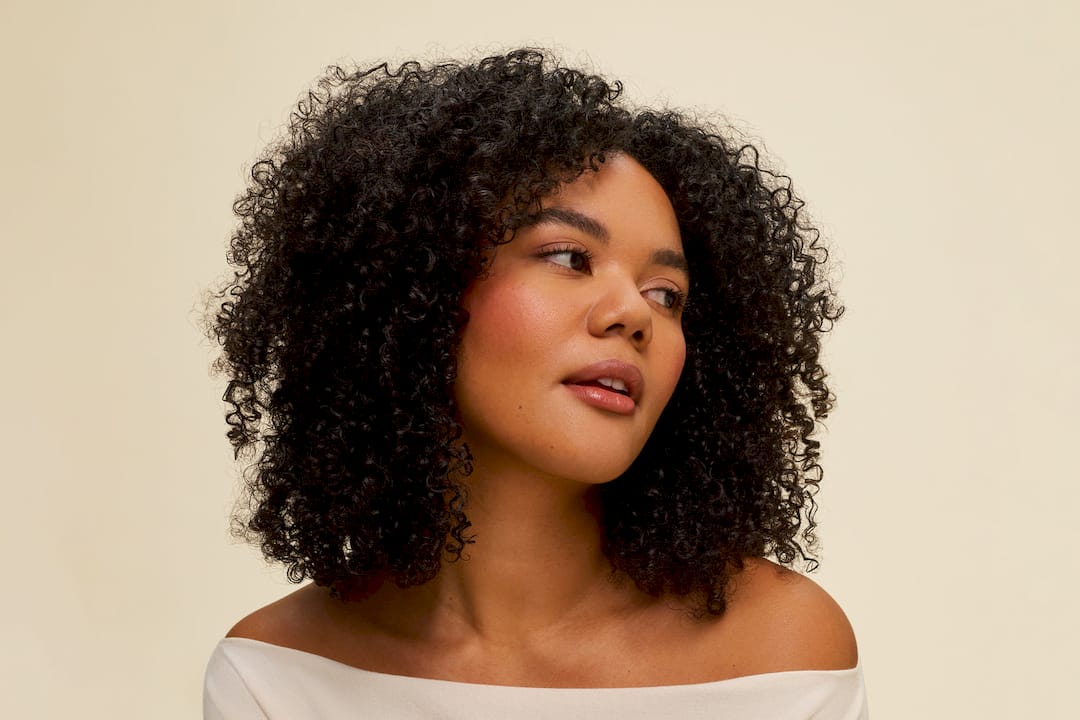
Your curls are looking flat, weighed down, and somehow greasy even though you washed them two days ago. Your products are just sitting on top of your hair instead of absorbing. Sound familiar? That frustrating feeling usually means one thing: buildup. For women with wavy, curly, coily, and afro hair in Europe, buildup from hard water minerals, heavy styling products, and environmental pollution can quietly destroy your curl pattern. Clarifying is the reset your hair needs, but only when done the right way. This guide walks you through the entire process so you can restore bounce, shine, and manageability without compromising your moisture levels.
Key Takeaways
| Point | Details |
|---|---|
| Clarifying removes buildup | Deep cleansing restores curl definition, shine, and scalp health without sacrificing moisture. |
| Customize your approach | Test porosity and water quality to select the right products and frequency for clarifying. |
| Gentle methods matter | Choose chelating or micellar shampoos and always deep condition to protect textured hair. |
| Verify results | Look for revived curls and healthy scalp as signs of effective clarifying; avoid over-clarification. |
Understanding clarifying: What textured hair needs
Clarifying is a deeper cleanse than regular wash day, removing buildup, minerals, oils, and residues without stripping moisture. It restores curl pattern, shine, and product effectiveness, especially for textured hair. A good clarifying session cleans deeply without drying out curls.
Textured hair’s coils and kinks make it harder for scalp oils to travel down, causing dryness at the tips and buildup near the scalp. Layers of products bond to the hair and attract more residue over time.
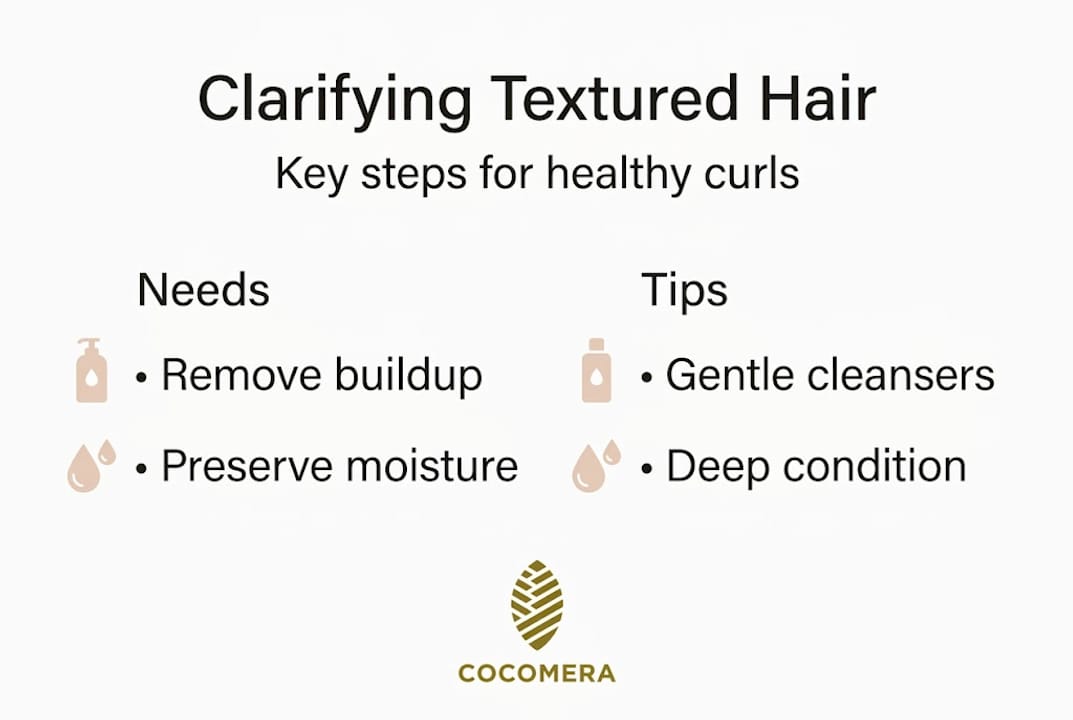
For women living in Europe, there is an additional factor that US-based curly hair guides rarely address: hard water. Much of northern and central Europe, including large parts of Sweden, Germany, the UK, and the Netherlands, has hard water. Hard water is water with a high concentration of dissolved minerals, primarily calcium and magnesium. These minerals bind to the hair cuticle and create a dull, rough film that disrupts deep cleansing curly hair routines and makes it harder for moisture to penetrate.
How buildup affects your curls:
-
Curl definition becomes loose, limp, or completely absent
-
Products feel sticky or start pilling (forming small balls on the hair)
-
Scalp becomes itchy or flaky even without a skin condition
-
Hair takes longer to dry than usual
-
Color-treated curls lose vibrancy faster
Clarifying vs. regular shampooing: A quick comparison
| Feature | Regular shampoo | Clarifying shampoo |
|---|---|---|
| Removes daily dirt | Yes | Yes |
| Removes hard water minerals | No | Yes (chelating types) |
| Removes heavy product buildup | Partially | Yes |
| Suitable for weekly use | Yes | No (every 4 to 6 weeks) |
| Risk of moisture loss | Low | Moderate (follow with deep conditioner) |
Moisture retention drops significantly after improper clarifying. Using a harsh clarifying product without following up with deep conditioning can leave textured hair feeling brittle and stripped for days.
Looking at healthy curly hair care tips is a smart starting point before you decide which clarifying approach works for your specific curl type and scalp condition.
Preparation: Tools, products, and testing your needs
Understanding your hair’s needs is only the first step; next, preparation is key. Walking into a clarifying session without knowing your hair’s porosity or your water’s mineral content is like baking without measuring. You might get something edible, but you will not get the result you wanted.
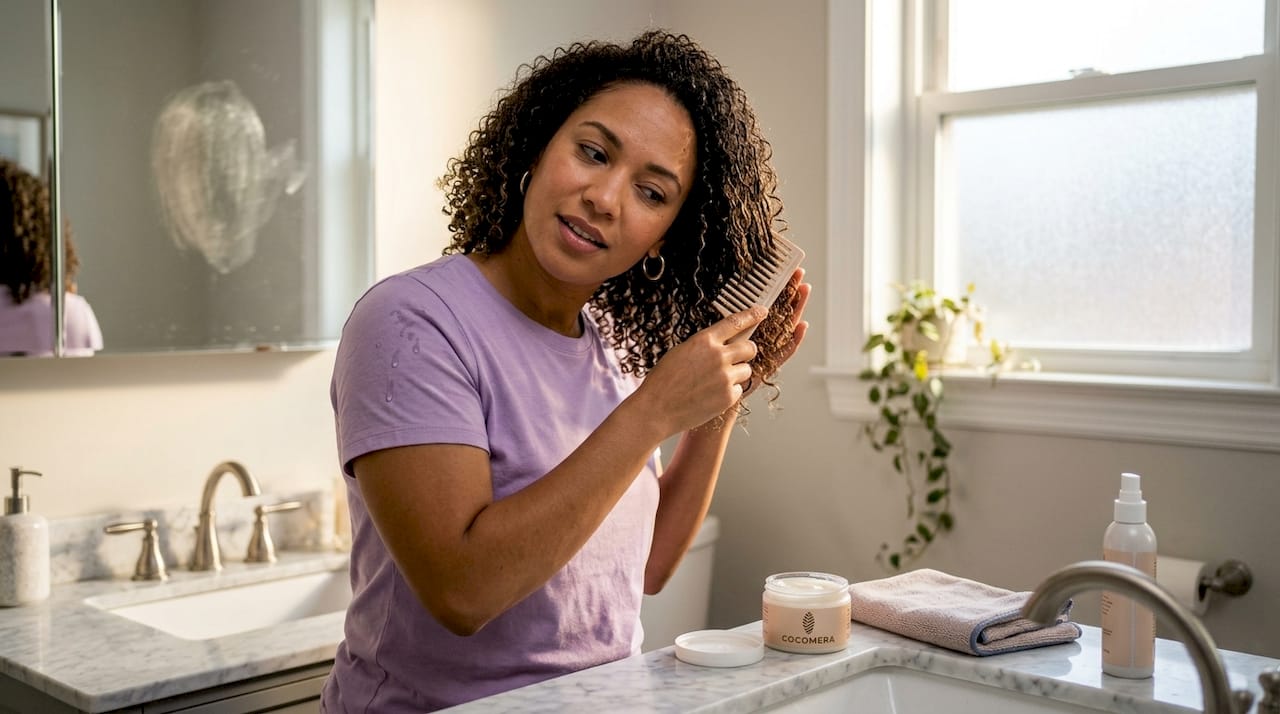
Start with a porosity test. Hair porosity describes how easily your hair absorbs and retains moisture. Low porosity hair has tightly closed cuticles, meaning products sit on top rather than absorbing. High porosity hair has raised or damaged cuticles that absorb moisture quickly but lose it just as fast. Your porosity level directly affects which clarifying method will work best. You can read more about this in hair porosity tips that break down how porosity interacts with product choices. The classic float test (placing a clean strand in a glass of water and checking if it sinks or floats) gives a rough indicator, though professional strand analysis is more accurate.
Check your water quality. European residents can test porosity and water quality to customize their clarifying routine, and hard water maps help identify whether you need a chelating shampoo specifically. In Sweden, for example, water hardness varies significantly between municipalities. Many areas in southern Sweden have notably hard water, while northern regions tend toward softer water. If you notice white residue on your shower glass or a film on your faucets, your water is almost certainly hard. That is your signal to reach for a chelating shampoo rather than a standard clarifying cleanser.
Products and tools to have ready:
-
Sulfate-free clarifying shampoo
-
Deep conditioner or treatment
-
Microfiber towel or cotton T-shirt
-
Wide-tooth comb or detangling brush
-
Shower cap (for deep conditioning)
Pro Tip: Create a clarifying calendar by tracking your wash days and product use for one month. If you use heavy stylers like pomades, waxes, or butter-based creams, you will likely need to clarify every four weeks. If you keep your routine lightweight with water-based products, every six to eight weeks may be enough. Pairing this with a moisture guide for curls gives you a complete picture of your hair’s rhythm.
| Hair profile | Recommended clarifying frequency |
|---|---|
| Fine wavy hair, light products | Every 6 to 8 weeks |
| Curly hair, moderate product use | Every 4 to 6 weeks |
| Coily or afro hair, heavy products | Every 4 weeks |
| Any type, living in hard water area | Every 3 to 4 weeks |
Step-by-step clarifying: Gentle methods for textured hair
Now that you have everything ready, here is exactly how to clarify your hair safely and effectively. The goal is to clean thoroughly without turning your wash day into a moisture disaster.
Choosing your clarifying method:
Different methods suit different needs. Clarifying shampoo types fall into three main categories, each with trade-offs. Traditional sulfate shampoos clean powerfully but can be drying. Chelating shampoos target mineral buildup specifically. Micellar cleansers are gentler and work well for regular maintenance clarifying.
“Traditional sulfates are effective but potentially drying compared to gentle micelles or clays. Baking soda and ACV are debated because they open cuticles but are abrasive or insufficient. The Curly Girl Method avoids sulfates entirely and prefers chelators.”
That debate is real, and it matters. Baking soda is alkaline, meaning it raises the hair’s pH, which opens the cuticle aggressively. Apple cider vinegar is acidic and can help close the cuticle, but it does not remove mineral buildup effectively on its own. For women with textured hair, especially coily and afro types, skipping these DIY options in favor of a properly formulated chelating or micellar shampoo is the safer and more consistent choice.
Step-by-step clarifying process:
-
Wet your hair completely under warm (not hot) water for at least one to two minutes. This softens the cuticle and helps the product distribute evenly.
-
Apply your clarifying shampoo to your scalp first. Focus on the roots and scalp rather than the lengths and ends, which are more fragile and prone to dryness.
-
Massage gently using your fingertips. The key here is that scalp massage over scrubbing preserves curl integrity far better than aggressive rubbing. Use slow, circular motions and let the product do the work.
-
Let the shampoo sit for two to three minutes before rinsing. This gives chelating agents time to bind to mineral deposits.
-
Rinse thoroughly with cool water. Cool water helps begin the process of closing the hair cuticle before conditioning.
-
Apply a deep conditioner or hair mask immediately. Work it through from mid-length to ends. Cover with a shower cap and leave for 15 to 30 minutes. This step is non-negotiable for textured hair after clarifying.
-
Rinse the conditioner and style as usual. Your curls should feel lighter, bouncier, and ready to absorb your styling products again.
Pro Tip: After clarifying, avoid applying heavy butters or oils immediately. Your cuticle is freshly cleaned and temporarily more receptive to moisture. Use this window for a water-based leave-in conditioner first, then seal with a light oil or cream. This also connects to single ingredient haircare principles, where layering clean, purposeful products gives better long-term results.
If you deal with a dry or itchy scalp alongside buildup, a curly anti-dandruff shampoo formulated for textured hair may be a helpful alternative or complement to standard clarifying on some wash days.
Troubleshooting, mistakes, and how to know it’s working
After clarifying, it is essential to check your results and address any concerns before your next session.
Signs that clarifying worked:
-
Curls spring back with noticeably more definition
-
Hair absorbs products quickly instead of rejecting them
-
Scalp feels genuinely clean without tightness or irritation
-
Shine returns, especially visible in wavy and curly types
-
Styling takes less product to achieve the same results
Signs of over-clarifying:
-
Extreme dryness that persists even after deep conditioning
-
Frizz that is worse than before you clarified
-
Loss of curl pattern or curl looser than your natural type
-
Scalp feels raw, itchy, or burns slightly
-
Hair snaps more easily when stretched
The most common clarifying mistakes all come back to the same issue: stripping moisture without replacing it properly. Clarifying too frequently, using overly harsh products, skipping deep conditioning, or applying heat immediately after are the fastest ways to land your hair in a worse state than before.
Over-clarifying is a real risk, particularly for coily and afro hair types that already tend toward dryness. If you experience persistent dryness after clarifying, extend your intervals and switch to a milder chelating formula.
Common mistakes and quick fixes:
-
Skipped deep conditioning: Do a moisturizing mask the very next wash day and reduce clarifying frequency
-
Used too harsh a product: Switch to a micellar or chelating shampoo designed for textured hair
-
Clarified too often: Give your hair a full six to eight weeks before the next session and prioritize moisture in the meantime
-
Wrong product for your water type: If you have hard water and used a standard clarifying shampoo, upgrade to a chelating formula
Quick-reference troubleshooting table:
| Symptom after clarifying | Likely cause | Fix |
|---|---|---|
| Extreme dryness | Harsh cleanser, no deep conditioner | Moisturizing mask immediately |
| Curl pattern looser | Over-clarifying or wrong formula | Extend interval, switch formula |
| Scalp still itchy | Buildup not fully removed | Second gentle wash before conditioning |
| Products still not absorbing | Mineral buildup still present | Upgrade to chelating shampoo |
Reading up on healthy curly hair tips and understanding multi-textured hair challenges can help you fine-tune your approach if your hair has more than one curl pattern, which is extremely common.
Why the usual clarifying advice skips what textured hair really needs
Most clarifying guides online follow a simple formula: use a clarifying shampoo, rinse, done. That advice is incomplete, and for textured hair, it can actively cause harm.
Here is what the mainstream conversation keeps missing. Generic clarifying guides are written for a broad audience, which means they rarely account for the specific moisture needs of type 3 and type 4 hair. They also rarely mention hard water, a factor that affects millions of women in Europe and completely changes which product category you need. A standard clarifying shampoo will not remove calcium deposits. Only a chelating formula will.
The second overlooked factor is scalp health. Many women with textured hair focus entirely on their curls and neglect the scalp as its own ecosystem. A well-clarified scalp supports healthier hair growth and less buildup between sessions.
Finally, the aftercare is consistently downplayed. Post-clarify deep conditioning is not optional. It is the entire second half of the process. Without it, clarifying just damages your hair in a slightly different way than buildup does. The curly hair care tips that work long-term are always built around customization, not one-size-fits-all steps.
Discover products for healthy, clarified curls
You now have a full picture of what clarifying actually requires, and the next step is finding products that match your specific hair needs.
At Cocomera, we have carefully selected shampoos for textured hair that include gentle chelating options, micellar cleansers, and deep conditioning treatments, all curated for wavy, curly, coily, and afro hair types. Whether you are dealing with hard water buildup, heavy product residue, or scalp irritation, there are targeted solutions for each concern. Browse our full selection of styling products, hair treatments, and accessories designed to support your entire curl routine, from clarifying day to styling day and everything in between.
Frequently asked questions
How often should textured hair be clarified?
Clarifying textured hair every four to six weeks is a solid starting point, but you should adjust based on your product use, water hardness, and scalp health. Heavy product users and those in hard water areas may need to clarify more frequently.
Is sulfate shampoo safe for clarifying curly or afro hair?
Sulfate shampoos do cleanse effectively, but sulfates can strip moisture from textured hair more aggressively than chelating or micellar alternatives. For most curly and coily hair types, a chelating or gentle micellar formula is the safer choice.
How can I tell if my hair needs clarifying?
Look for signs like dull curls, sticky or pilling product residue, loss of bounce, and scalp itchiness or irritation that appears between wash days. If your usual products suddenly seem less effective, that is another clear signal.
Do I have to deep condition after clarifying?
Yes, absolutely. A post-clarify deep condition is non-negotiable for textured hair because clarifying opens the cuticle and removes protective oils along with the buildup. Skipping this step leaves your curls vulnerable to breakage and dryness.


