



TL;DR:
- Silicones in hair care form a protective film that reduces friction and adds shine, but improper removal causes buildup and scalp issues. Proper cleansing routines and choosing water-soluble silicones can help textured hair benefit from silicones without adverse effects. Environmental concerns are mainly tied to cyclic silicones D4, D5, and D6, which bioaccumulate in aquatic systems.
Silicones in hair care are synthetic polymer compounds that coat the hair shaft to reduce friction, add shine, and protect against heat. The reason many people choose to avoid them comes down to one core issue: buildup. When silicones are not properly removed, they accumulate on the scalp and hair, blocking moisture, clogging follicles, and triggering itchiness or flaking. For textured hair types, specifically wavy, curly, coily, and afro hair, the stakes are higher because the cleansing routine required to remove silicones must be carefully matched to the hair’s specific needs.
Why avoid silicones in hair: the buildup problem explained
Silicones work by forming a thin, protective film around each hair strand. According to cosmetic chemist Tonya Lane, this film reduces friction, retains moisture, detangles hair, and shields it from heat styling damage. Those are real, measurable benefits. The problem begins when that film is never fully removed.
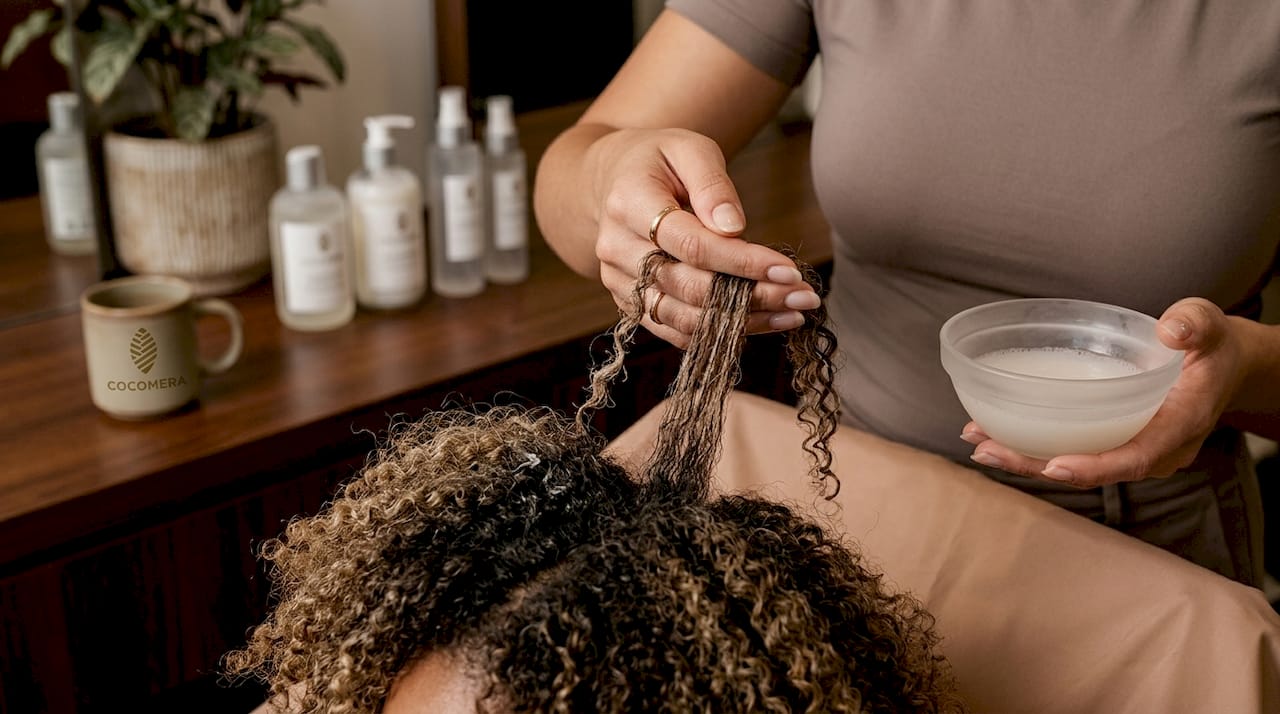
Occlusive silicones like dimethicone are particularly prone to this. Improper removal of dimethicone causes a layer of oil, dirt, and dead skin to accumulate beneath the silicone coating, leading to scalp itchiness and flaking. Over time, this buildup can contribute to clogged follicles and conditions that resemble dandruff. The silicone itself is not the villain. The mismatch between the product and the cleansing routine is.
This distinction matters enormously. Buildup and scalp irritation are cleansing routine failures, not direct evidence that silicones are toxic or harmful. If you use a heavy, non-water-soluble silicone with a gentle sulfate-free shampoo, you are setting up a cycle where product accumulates faster than it is removed. That cycle is what drives people to avoid silicones entirely, often without understanding the root cause.
Pro Tip: Check the ingredient list for silicones ending in “-cone,” “-conol,” or “-siloxane.” Water-soluble versions like dimethicone copolyol rinse out more easily than heavier types like amodimethicone or cyclopentasiloxane.
How silicones affect textured hair differently
Textured hair, covering hair types 2 through 4, has a structure that makes it more vulnerable to both moisture loss and product buildup. The coiled or kinked shape of curly and coily strands means natural scalp oils travel down the shaft more slowly than they do on straight hair. This makes moisture retention a constant priority.
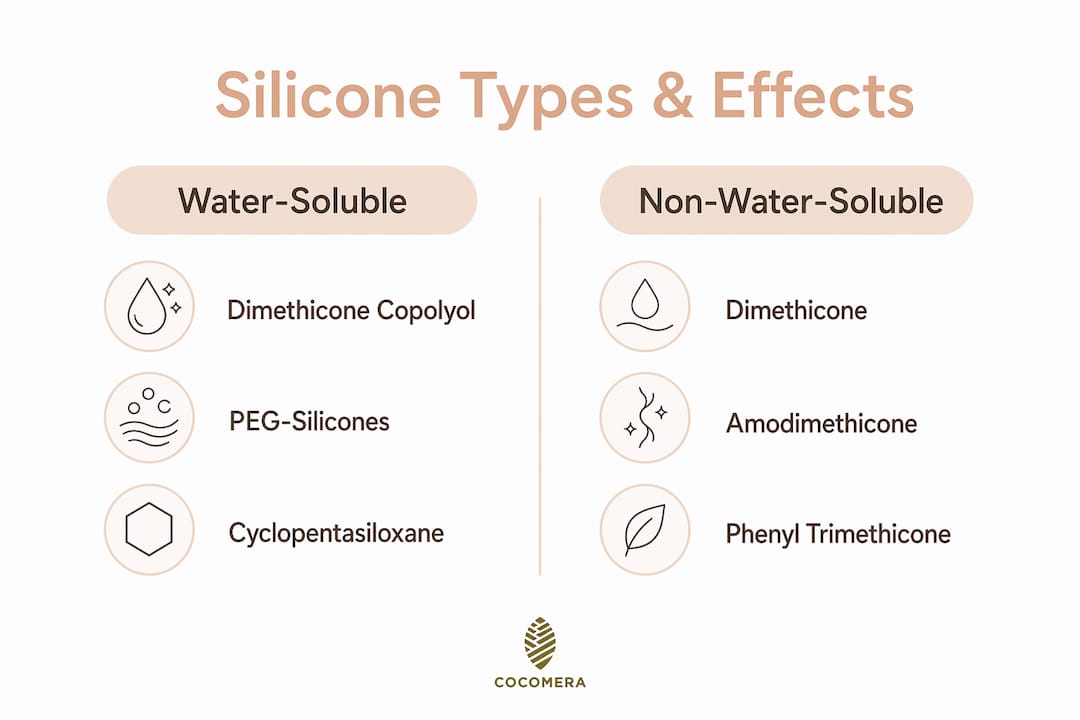
Heavier silicones can benefit textured and thicker hair by sealing in moisture and smoothing the cuticle, which reduces frizz and breakage. Fine or straight hair, by contrast, is better served by lighter, more volatile silicones that evaporate without weighing the hair down. This is a meaningful distinction that generic “avoid silicones” advice completely ignores.
The nuances for textured hair include:
-
Type 2 and 3 hair (wavy to curly) can often tolerate lightweight silicones like cyclomethicone, which evaporate quickly and do not accumulate.
-
Type 4 hair (coily to afro) may benefit from heavier silicones like dimethicone in deep conditioning treatments, provided a clarifying shampoo is used regularly.
-
Scalp sensitivity varies widely. Those prone to folliculitis or flaking should be more cautious regardless of hair type.
-
Cleansing frequency must increase when heavier silicones are in use. Washing once a week with a gentle shampoo is not enough to prevent buildup if you are applying dimethicone-heavy products daily.
The myth that all silicones are bad for textured hair ignores the fact that silicone choice and cleansing must be matched to the specific hair type and routine. Blanket avoidance is one strategy, but it is not the only one, and for many with type 4 hair, it may mean giving up real benefits.
Silicone types compared: which ones raise concerns
Not all silicones behave the same way. Understanding the chemistry helps you make smarter product choices rather than avoiding the entire category.
| Silicone type | Water solubility | Buildup risk | Environmental concern |
|---|---|---|---|
| Dimethicone | Low | High without strong surfactants | Low to moderate |
| Dimethicone copolyol | High | Low, rinses easily | Low |
| Cyclomethicone (D4, D5, D6) | Evaporates | Low on hair | High |
| Amodimethicone | Low | Moderate, bonds to damaged areas | Low |
| Phenyl trimethicone | Low | Moderate | Low |
The cyclic silicones, specifically D4, D5, and D6 (also called cyclosiloxanes), are where environmental concerns become serious. EU regulations from 2024 restrict cyclic siloxanes in cosmetics due to their persistence and bioaccumulation in aquatic environments. These compounds do not break down quickly in water systems, and they accumulate in fish and other organisms. This is a legitimate regulatory concern, not a marketing trend.
One common misconception is that silicones are microplastics. They are not. Silicone does not break down into microplastics the way conventional plastics do. Silicone particles are larger and the material is relatively inert. The environmental issue with cyclic silicones is persistence and bioaccumulation, not microplastic fragmentation. Knowing this distinction helps you evaluate product claims more accurately.
Practical strategies for managing or avoiding silicones
Whether you decide to use silicones selectively or cut them out entirely, the approach below gives you a framework that works for textured hair specifically.
-
Identify what silicones are in your current products. Read ingredient labels and flag anything ending in “-cone,” “-conol,” or “-siloxane.” Categorize them by water solubility using the table above.
-
Match your shampoo to your silicone load. Heavier dimethicone requires stronger surfactants or a clarifying shampoo for full removal. If you use a sulfate-free shampoo exclusively, stick to water-soluble or evaporating silicones only.
-
Use a clarifying shampoo periodically. Clarifying shampoos reset the hair and scalp by removing accumulated product, oils, and silicone residue. For most textured hair types, once or twice a month is enough. Those with heavy product use may need it more frequently. Cocomera’s curly hair wash day guide walks through how to structure this into a routine.
-
Apply silicone products to the hair shaft, not the scalp. Applying silicones directly to the scalp increases the risk of follicle clogging and irritation. Keep conditioners and styling products focused on mid-lengths and ends.
-
Explore silicone alternatives. Natural oils like argan oil, jojoba oil, and shea butter provide slip and moisture retention without the buildup risk. Plant-based emollients like babassu oil and mango butter work well for type 4 hair. The tradeoff is that they do not provide the same level of heat protection that silicones do, so if you heat style regularly, a targeted silicone-based heat protectant may still be worth keeping.
-
Observe your scalp and hair over four to six weeks. Any transition away from silicones takes time. Hair may feel different initially as the coating is removed. Give your routine time to stabilize before drawing conclusions.
Pro Tip: If you experience scalp itching or flaking while using silicone-heavy products, try a professional clarifying shampoo with stronger surfactants before assuming silicones are the problem. The issue is often incomplete removal, not the ingredient itself.
For a deeper look at which ingredients work best for your specific curl pattern, Cocomera’s guide to best ingredients for textured hair covers the full picture beyond silicones.
Key takeaways
Silicones are not inherently harmful to hair. The real issue is a mismatch between silicone type and cleansing routine, which causes buildup that damages scalp health and blocks moisture absorption.
| Point | Details |
|---|---|
| Buildup is a routine problem | Silicone accumulation results from mismatched cleansing, not from the ingredient itself. |
| Textured hair needs tailored choices | Type 4 hair may benefit from heavier silicones, while type 2 and 3 hair does better with lighter, evaporating types. |
| Cyclic silicones carry real environmental risk | D4, D5, and D6 are restricted in EU cosmetics due to persistence and bioaccumulation in aquatic systems. |
| Clarifying shampoos are non-negotiable | Periodic clarifying resets the scalp and prevents the buildup that drives most silicone complaints. |
| Silicone-free is not always better | Natural oil alternatives lack heat protection; a selective, informed approach outperforms blanket avoidance. |
Cocomera’s take on silicones and textured hair
The conversation around silicones in the textured hair community has been dominated by fear for years. At Cocomera, we have seen customers abandon products that genuinely worked for their hair because of ingredient panic, only to struggle with dryness and breakage afterward.
The honest truth is this: silicones are tools. A dimethicone-based deep conditioner used on type 4 hair once a week, followed by a proper clarifying wash, is not a problem. It is a strategy. The problem is when people layer silicone-heavy products daily with a gentle co-wash and wonder why their scalp feels congested after a month.
What we consistently recommend is to understand your hair’s porosity and your scalp’s sensitivity before making any ingredient decision. High-porosity hair, common in chemically processed or heat-damaged curls, actually benefits from silicones because they temporarily seal the cuticle and reduce moisture loss. Telling someone with high-porosity type 4 hair to go fully silicone-free without addressing porosity is incomplete advice.
The environmental angle on cyclic silicones is worth taking seriously, and we actively look for products that avoid D4, D5, and D6 in our curation at Cocomera. But conflating that legitimate concern with a blanket “silicones are bad” narrative does a disservice to people who need real guidance. Know your ingredients, match your cleansing routine, and trust your hair’s response over any trend.
— Cocomera
Find the right products for your textured hair routine
At Cocomera, every product in our catalog is curated with textured hair types 2, 3, and 4 in mind. Whether you are looking to reduce silicone exposure or find products that use silicones thoughtfully, we have options across every category. Browse our curly hair styling products for formulas designed to define, protect, and hydrate without compromising scalp health. For wash day, our strengthening shampoos for curly hair and hair treatments are selected to support healthy moisture balance and effective cleansing. Finding the right routine does not have to mean starting from scratch. It means making smarter choices with better information.
FAQ
What are silicones in hair products?
Silicones are synthetic polymer compounds added to shampoos, conditioners, and styling products to coat the hair shaft, reduce friction, add shine, and protect against heat. Common examples include dimethicone, amodimethicone, and cyclomethicone.
Why do some people avoid silicones in their hair?
The primary reason to avoid silicones is buildup. When silicones are not fully removed by the shampoo being used, they accumulate on the scalp and hair shaft, blocking moisture and potentially causing itchiness, flaking, or clogged follicles.
Are silicones worse for curly or coily hair?
Not necessarily. Heavier silicones can actually benefit type 4 coily hair by sealing in moisture and reducing breakage, but they require a stronger cleansing routine to prevent buildup. The issue is not the silicone itself but whether the cleansing routine matches the product.
Are silicones the same as microplastics?
No. Silicone does not break down into microplastics the way conventional plastics do. The environmental concern with certain silicones, specifically cyclic types like D4, D5, and D6, is their persistence and bioaccumulation in aquatic ecosystems, which led to EU restrictions in 2024.
What can I use instead of silicones in my hair routine?
Natural oils like argan oil, jojoba oil, and shea butter provide moisture and slip without buildup risk. Plant-based emollients like mango butter and babassu oil work well for coily hair. The tradeoff is reduced heat protection, so a silicone-based heat protectant may still be useful if you style with heat regularly.


