


TL;DR:
- Proper summer curly hair care involves using a gentle, scalp-only shampoo and weekly clarifying treatments to prevent buildup. It requires protecting hair from sun, chlorine, and saltwater with physical barriers and post-swim rinses, while layering lightweight products on soaking wet hair to control frizz. Protective styles and regular trims help maintain healthy curls during hot, humid conditions.
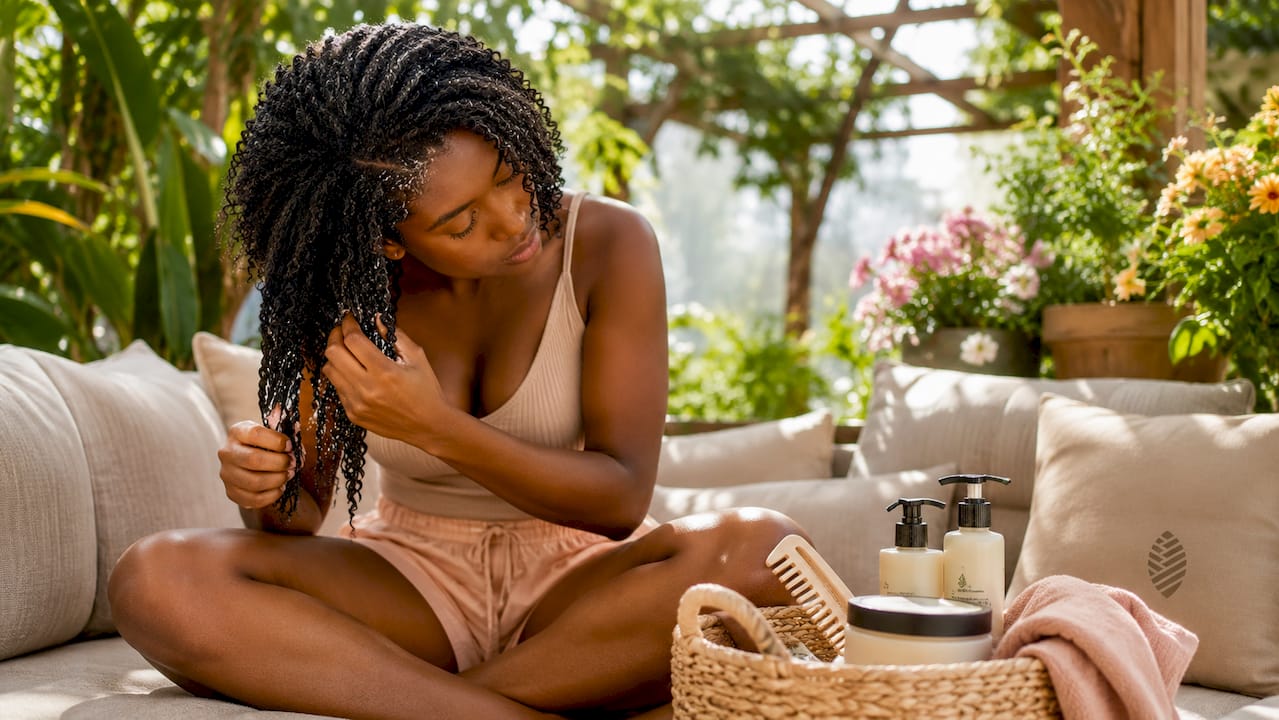
Summer curly hair care is the practice of adapting your wash routine, styling approach, and protective habits to counter heat, humidity, UV exposure, and chlorine. These seasonal stressors strip moisture from the hair shaft, disrupt the cuticle, and turn defined curls into frizz. The good news is that a few targeted adjustments make a measurable difference. This guide covers the best summer tips for curly hair, from cleansing and conditioning to protective styling and product layering, so your curls stay healthy all season long.
1. What are the best washing and conditioning practices for curly hair in summer?
Cleansing is the foundation of any summer curly hair routine. The biggest mistake most people make is applying shampoo all over their hair. Shampoo belongs only on the scalp; the suds rinse down the length and cleanse the ends without stripping them dry.
Summer also means more sweat, sunscreen, and product residue on your scalp. A clarifying shampoo once a week removes mineral buildup from hard water and chlorine that regular shampoos miss. Skipping this step causes product to sit on the hair and block moisture from getting in.
Conditioning is where you rebuild what summer takes away. Deep condition weekly, and always follow with a leave-in conditioner to maintain hydration between wash days. Detangle with conditioner still in your hair, using a wide-tooth comb and starting at the ends before working toward the roots.
Washing frequency should follow your scalp’s condition, not a fixed schedule. If your scalp feels itchy or oily after three days, wash it. If it still feels balanced after five, wait.
-
Use a sulfate-free shampoo applied only to the scalp
-
Add a chelating or clarifying shampoo once a week to clear buildup
-
Deep condition weekly with a mask or treatment
-
Apply leave-in conditioner on every wash day
-
Detangle from ends to roots with a wide-tooth comb and conditioner
Pro Tip: Finish every rinse with cool water. A cool water rinse closes the cuticle and locks in the moisture you just added. Warm water leaves the cuticle open, which invites frizz.
2. How to protect curly hair from sun, chlorine, and saltwater
Sun, saltwater, and chlorine are the three biggest threats to curls in summer. UV rays degrade the protein structure of the hair shaft, saltwater pulls out moisture, and chlorine strips the cuticle and causes color fading. All three work together to leave curls brittle and dry.
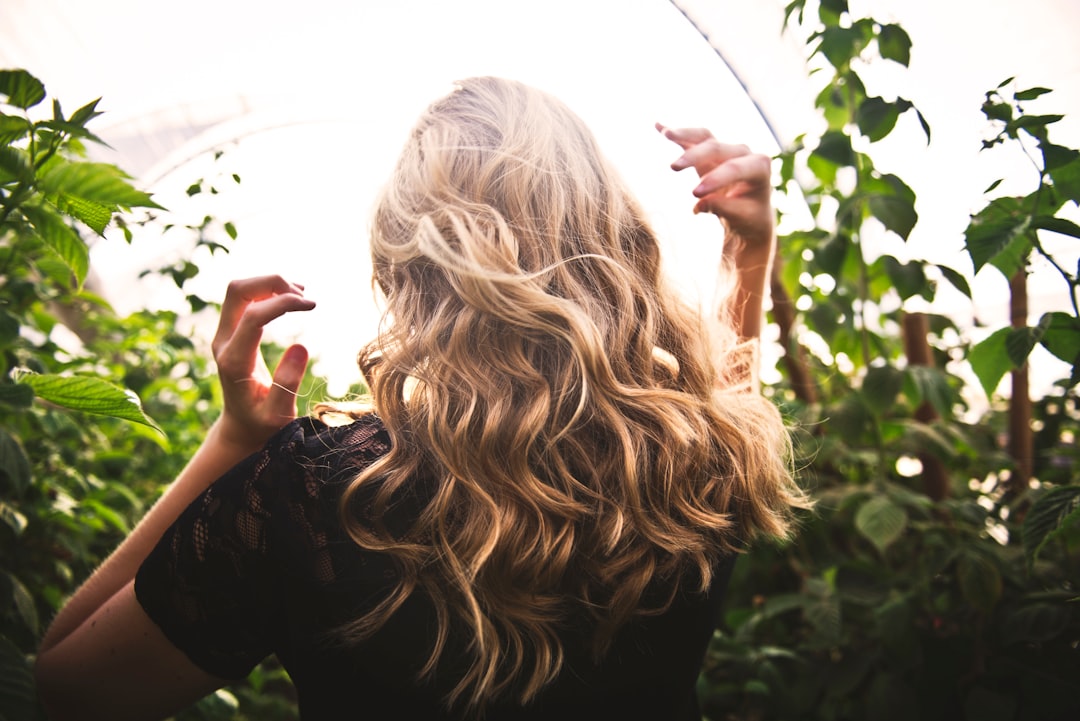
Physical protection is your first line of defense. Wearing a wide-brim hat, a silk-lined scarf, or a bandana blocks direct UV exposure on your hair and scalp. This is especially useful for people with type 4 hair, where the scalp is more exposed due to curl pattern.
Before you swim, wet your hair thoroughly with fresh water. Hair that is already saturated absorbs far less chlorine or saltwater. Think of it like a sponge: a wet sponge takes in much less liquid than a dry one. Apply a layer of coconut oil or shea butter before entering the water to create an additional barrier.
After swimming, rinse immediately. Then apply a leave-in conditioner or lightweight oil to restore moisture before your hair dries in the open air.
-
Look for hair products with UV filters or use oils like coconut oil and shea butter as natural protection
-
Wear a hat, scarf, or bandana during prolonged sun exposure
-
Wet hair with fresh water before swimming to reduce chlorine and salt absorption
-
Rinse hair immediately after leaving the pool or ocean
-
Apply a leave-in conditioner or sealing oil right after rinsing
Pro Tip: Protective hairstyles like braids and buns reduce the surface area of hair exposed to sun and wind. Less exposure means less damage and less frizz to manage at the end of the day.
3. What styling routines and product choices work best in heat and humidity
Styling in summer requires a different mindset than styling in cooler months. The goal shifts from definition alone to definition plus humidity resistance. That combination requires the right products in the right order.
Apply products to soaking wet hair
Applying products to soaking wet hair improves distribution, enhances curl clumping, and controls frizz in humid conditions. Damp hair causes products to sit on the surface rather than absorb evenly. The correct order is leave-in conditioner first, then a curl cream, then a gel on top to seal everything in and create a humidity barrier.
Choose lightweight products with strong hold
Lightweight formulas with strong hold outperform heavy creams in summer. Heavy creams weigh curls down and attract humidity, which causes frizz. A flaxseed gel, a light hold mousse, or a water-based curl gel gives you definition without the weight.
More product does not equal better hold. A minimalist approach to layering works better in summer. Use just enough of each product to coat the hair, and stop there.
Master the gel cast
A gel cast is the hard shell that forms as your hair dries after applying gel. Do not touch your hair while it dries. Disturbing the cast before hair is fully dry breaks the curl pattern and causes frizz. Once your hair is 100% dry, scrunch out the crunch with your hands or a microfiber cloth to reveal soft, defined curls underneath.
Avoid high heat
Heat above 140°C causes irreversible cuticle damage. In summer, air-drying is the best option. If you use a diffuser, keep it on the lowest heat setting and hold it at least a few inches from your scalp.
Trim regularly
Trimming every 6–8 weeks prevents split ends from traveling up the hair shaft. Summer heat, saltwater, and chlorine all accelerate split end formation. A small trim keeps your ends clean and your curls bouncing rather than breaking.
Pro Tip: To refresh curls between wash days, mist hair lightly with water and scrunch in a tiny amount of your original gel. This reactivates the cast without adding buildup. Check out wet styling techniques for more detail on this method.
4. What are practical summer hairstyle ideas for curly hair
The best summer hairstyles for curly hair do two things at once: they protect the hair from environmental damage and they keep the scalp accessible for moisture and cleansing. Styles that lock hair away completely for weeks at a time can cause breakage at the roots if the scalp is not cared for underneath.
Protective styles like braids, box braids, buns, and pineapple updos shield curls from sun exposure and reduce daily manipulation. Less manipulation means less breakage. These styles also reduce tangling caused by wind and outdoor activities.
Keep protective styles in for no longer than 6–8 weeks. Leaving them in longer puts tension on the roots and creates matting that leads to breakage when you take the style down. Moisturize your scalp weekly while the style is in, using a lightweight oil applied directly to the scalp through the parts.
Accessories like claw clips and silk-lined scrunchies let you put hair up quickly without causing damage. A loose bun held with a claw clip is one of the most practical summer hairstyle ideas for curls because it keeps hair off your neck in the heat while avoiding the tension of tight elastics.
-
Braids and box braids reduce sun exposure and daily manipulation
-
Pineapple updos protect curl pattern overnight and work as a daytime style too
-
Loose buns with claw clips keep hair off the neck without tension
-
Silk-lined scarves double as sun protection and a styling tool
-
Moisturize the scalp weekly even when hair is in a protective style
Key Takeaways
The most effective summer routine for curly hair combines sulfate-free cleansing, weekly deep conditioning, lightweight product layering on wet hair, and protective styling to guard against UV, chlorine, and humidity damage.
| Point | Details |
|---|---|
| Cleanse the scalp only | Apply shampoo to the scalp and let suds rinse the ends to prevent dryness. |
| Clarify weekly | Use a chelating or clarifying shampoo once a week to remove summer buildup. |
| Layer products on wet hair | Apply leave-in, cream, then gel on soaking wet hair for maximum frizz control. |
| Protect before swimming | Wet hair with fresh water and apply coconut oil or shea butter before entering a pool or ocean. |
| Trim every 6–8 weeks | Regular trims prevent split ends from worsening under summer heat and chemical exposure. |
What I’ve learned about summer curl care after years of getting it wrong
The most common mistake I see is product overload. People assume that more gel, more cream, and more oil will create better protection against humidity. The opposite is true. Excess product attracts moisture from the air and causes curls to clump together in the wrong way, creating a heavy, undefined look by midday.
The second mistake is ignoring drying technique. Most people focus entirely on what products they use and almost never think about how their hair dries. Touching your hair before the gel cast is fully set is the single fastest way to create frizz, regardless of how good your products are. Patience during the drying phase matters more than the brand on the bottle. Pair this with the right curly hair drying techniques and you will see a real difference.
The third overlooked area is scalp care. Summer heat increases sweat and sebum production. A scalp that is not cleansed properly becomes a barrier to moisture reaching the hair shaft. Washing frequency should follow your scalp’s actual condition, not a routine you read somewhere. Some people need to cleanse twice a week in summer; others can go longer. Pay attention to how your scalp feels, not the calendar.
— Cocomera
Cocomera’s picks for your summer curl routine
Summer is when your curls need the most support, and the right products make that support consistent. Cocomera carries a curated range of styling products for curly hair built for humid conditions, including lightweight gels and curl creams that hold definition without buildup.
For wash day, Cocomera’s selection of strengthening shampoos cleanses without stripping, and the hair treatments collection covers deep conditioning and repair for curls that have taken a hit from sun, salt, or chlorine. Gentle detangling tools, including wide-tooth combs and curl-friendly brushes, are available in the brushes and combs section. Every product is selected specifically for wavy, curly, coily, and afro hair types, so you are not sorting through products made for someone else’s hair.
FAQ
How often should I wash curly hair in summer?
Wash frequency should follow your scalp’s condition, not a fixed schedule. If your scalp feels oily or itchy, wash it; if it still feels balanced, wait another day or two.
What products work best for curly hair in humidity?
Lightweight gels and water-based curl creams applied to soaking wet hair give the best frizz control in humidity. The correct layering order is leave-in conditioner, curl cream, then gel.
How do I protect curly hair from chlorine?
Wet your hair with fresh water before swimming and apply a layer of coconut oil or shea butter to create a barrier. Rinse immediately after leaving the pool and apply a leave-in conditioner.
What is the gel cast method for curly hair?
The gel cast method involves applying gel to wet hair and allowing it to dry completely into a hard shell before scrunching. Disturbing the cast before it is fully dry causes frizz; scrunching it out afterward reveals soft, defined curls.
How often should curly hair be trimmed in summer?
Trimming every 6–8 weeks during summer prevents split ends from worsening due to heat, chlorine, and saltwater exposure. Regular trims keep the ends clean and reduce breakage.


