


TL;DR:
- Clarifying your curly scalp removes residue and buildup that regular shampoo cannot clear. It should be done every four to eight weeks, depending on individual scalp conditions and product use. Proper technique and immediate deep conditioning are essential for maintaining healthy, defined curls.
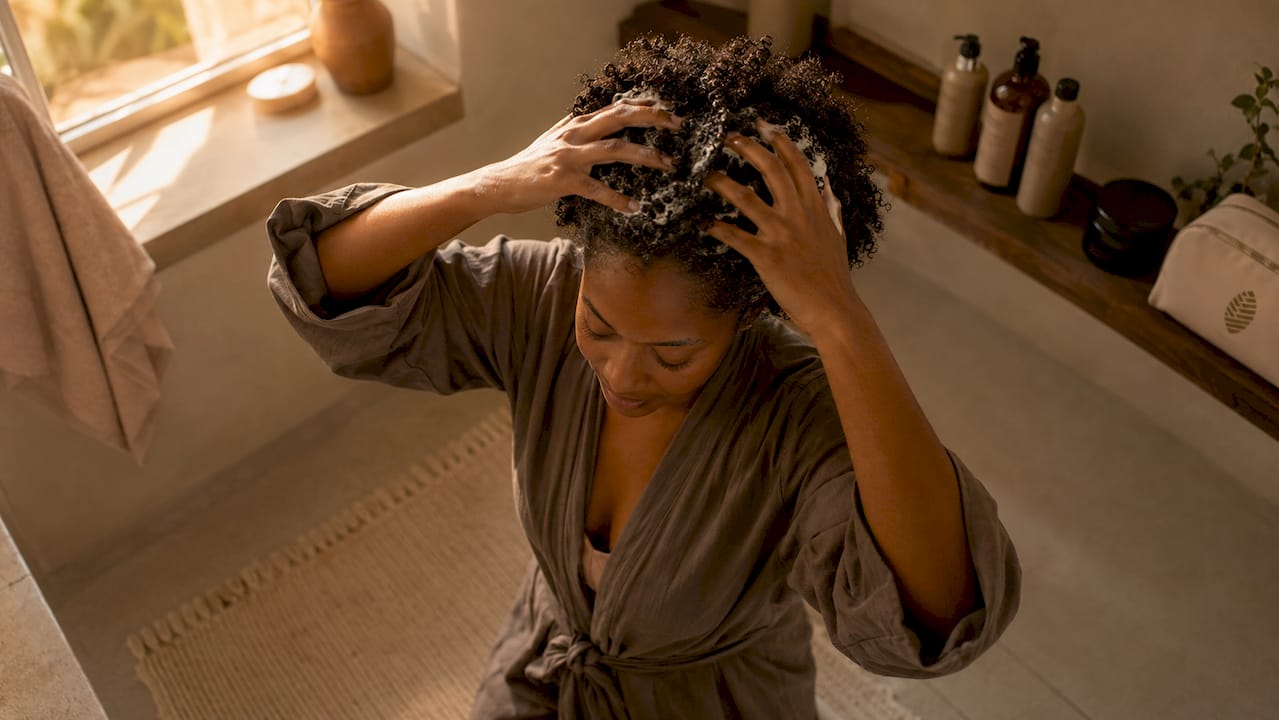
Scalp clarification is the process of deep cleansing your scalp and hair to remove product residue, mineral deposits, and excess sebum that regular shampoo leaves behind. If you have curly or textured hair, knowing how to clarify your curly scalp is not optional. It is the reset your curls need to absorb moisture, define properly, and stop feeling weighed down. Clarifying agents range from sulfate-based clarifying shampoos to diluted apple cider vinegar rinses, and each works differently depending on your scalp condition and hair type.
How often should you clarify your curly scalp?
Clarifying frequency ranges from every fourth wash to every eight weeks. That wide range exists because no two curly scalps behave the same way. Your product use, water quality, and scalp condition all push that number in different directions.
Signs your scalp needs clarifying now:
- Curls feel limp or lose their definition faster than usual
- Roots look greasy within a day or two of washing
- Your scalp feels itchy or looks flaky without a clear reason
- Products stop working the way they used to
- Hair feels dull, rough, or tangles more than normal
These buildup symptoms signal that your scalp environment has shifted and your regular cleanser is no longer cutting through the residue.
Heavy product users, people in hard water areas, and anyone using silicone-based stylers need to clarify more often. If your routine is minimal and your water is soft, once every six to eight weeks is usually enough. Scalp sensitivity also matters. A reactive scalp does better with gentler, less frequent clarifying than a resilient one.
Pro Tip: Keep a simple hair journal for one month. Note wash days, products used, and how your curls behave. Patterns will tell you exactly when your scalp needs a reset.
Which clarifying products work best for curly hair?
Clarifying shampoos must contain sulfates or olefin sulfonate to break down heavy buildup effectively. This is the key distinction between a clarifying shampoo and a regular moisturizing shampoo. Regular shampoos clean surface dirt. Clarifying shampoos dissolve the stubborn layer of wax, silicone, and mineral residue underneath.
Clarifying shampoo vs. natural alternatives
| Method | Best for | Key ingredient | Caution |
|---|---|---|---|
| Sulfate clarifying shampoo | Heavy product buildup, silicones | Sodium lauryl sulfate, olefin sulfonate | Use sparingly; follow with deep conditioner |
| Chelating shampoo | Hard water mineral deposits | EDTA, phytic acid | Not for frequent use on dry hair |
| Apple cider vinegar rinse | Mild buildup, sensitive scalps | Diluted ACV (1 part ACV to 3 parts water) | Must dilute properly to avoid irritation |
| Bentonite clay mask | Scalp impurities, excess sebum | Bentonite clay | Rinse thoroughly; follow with moisture |
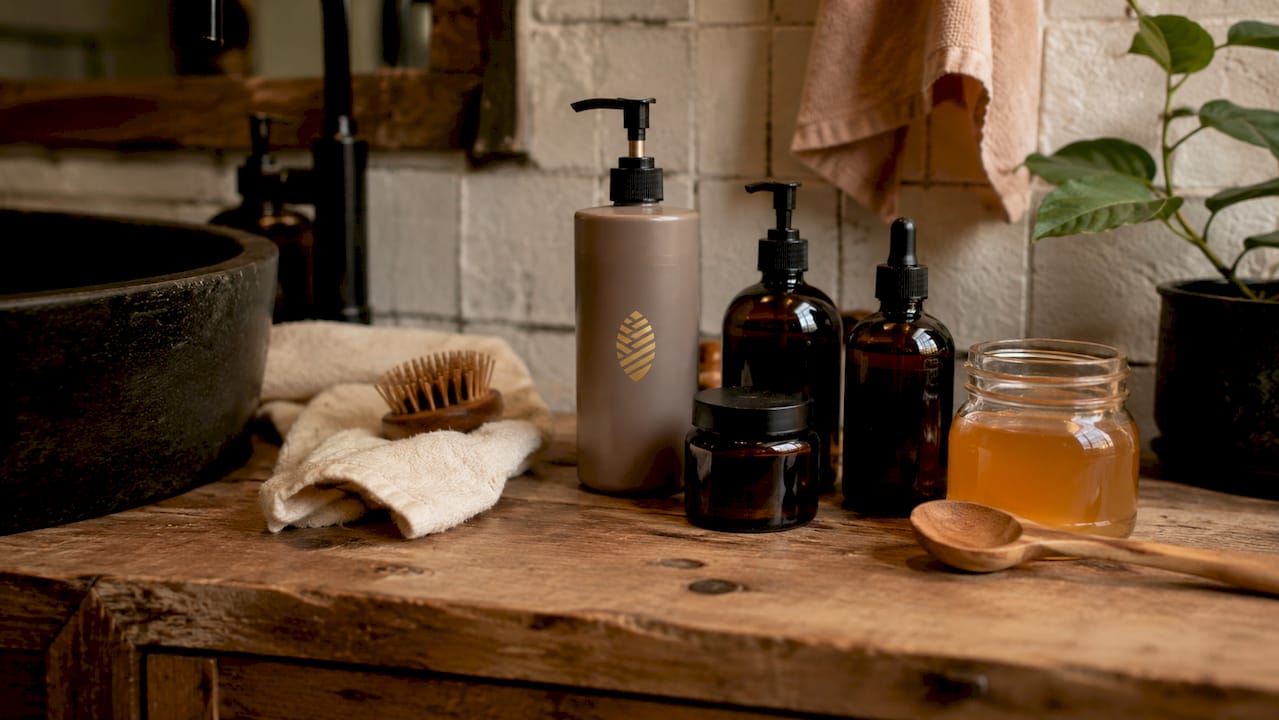
Natural clarifying methods like diluted apple cider vinegar rinses clean buildup without harsh sulfates, but they require proper dilution to avoid scalp irritation. ACV works well as a maintenance rinse between full clarifying sessions. It is not a replacement for a sulfate shampoo when silicone or heavy wax buildup is present.
Avoid using products that contain silicones or heavy mineral oils during a clarifying session. They counteract the cleansing process and redeposit the exact residue you are trying to remove. For curated clarifying shampoos formulated specifically for curly hair, Cocomera carries a selection built for hair types 2, 3, and 4.
Step-by-step clarifying process for curly hair
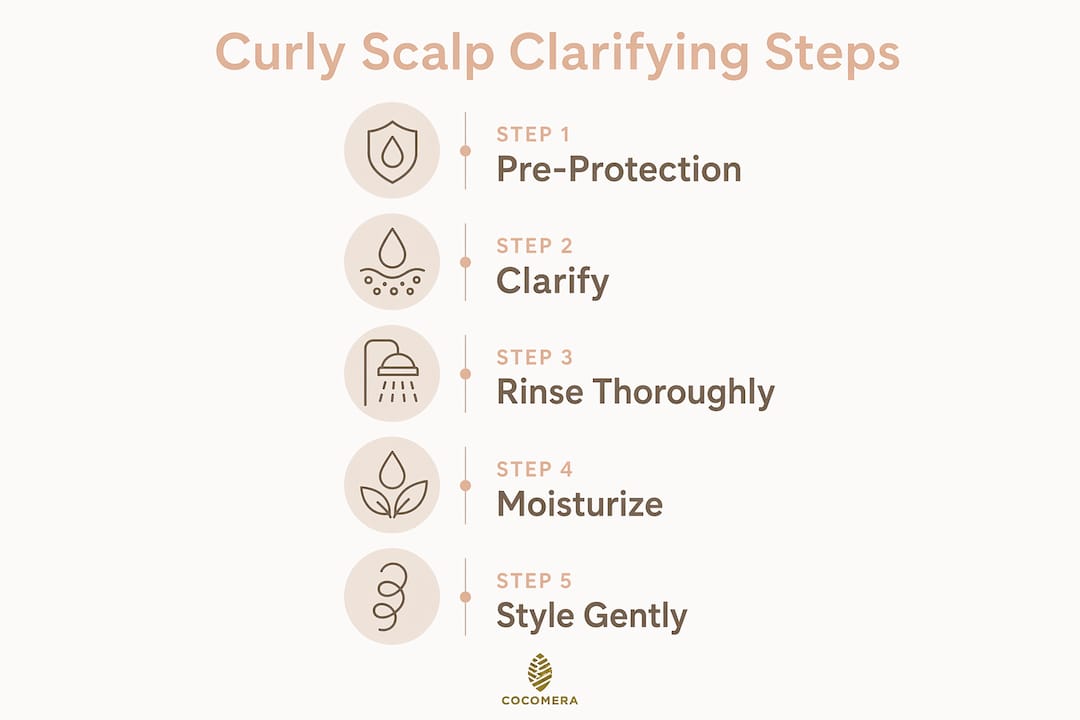
A good clarifying session takes about 15–20 minutes from start to finish. Rushing it produces mediocre results. Follow these steps in order for the best outcome.
-
Pre-soak with warm water. Spend at least 60 seconds saturating your curls with warm water before applying any product. Warm water opens the cuticle and softens buildup so the shampoo can reach it.
-
Apply clarifying shampoo to the scalp first. Work the shampoo into your scalp, not your lengths. Your ends do not need the same level of cleansing and are more vulnerable to dryness.
-
Massage with your fingertips in slow circular motions. Gentle circular massage on the roots stimulates the scalp without causing tangles or frizz. Avoid scrubbing or bunching your curls together. Spend 2–3 minutes on this step.
-
Expect low lather on the first wash. The first application acts as a grease-breaker with limited lather because the buildup absorbs the surfactants. Rinse and apply a second round. The second wash produces richer lather and delivers the actual deep cleanse.
-
Rinse with cool water. After the second wash, finish with a 10–15 second cool rinse. Cool water closes the cuticle, reduces frizz, and locks in the clean slate you just created.
-
Deep condition immediately. Deep conditioning after clarifying is non-negotiable. Clarifying lifts the cuticle and depletes moisture. Hair left unconditioned after a clarifying session is vulnerable to breakage and dryness. Apply a rich deep conditioner and leave it on for at least 15–20 minutes before rinsing.
-
Detangle gently from ends to roots. Use a wide-tooth comb or your fingers while the conditioner is still in. Starting at the ends prevents unnecessary breakage and preserves curl pattern.
Pro Tip: Apply a small amount of a lightweight oil to your ends before clarifying. This gives them a layer of protection during the cleansing process without interfering with scalp clarification.
How to identify and treat scalp buildup in curly hair
Scalp buildup in curly hair is frequently misdiagnosed as dryness. The two conditions look similar but require opposite treatments. Applying more moisture to a buildup-clogged scalp makes the problem worse, not better.
Buildup vs. dryness: how to tell the difference
- Buildup feels waxy or greasy at the roots even after washing. Curls look dull and feel coated.
- Dryness feels tight and rough throughout the length. Curls look frizzy and feel brittle.
- Both can cause itching and flaking, which is why an itchy scalp or brittle curls can be misdiagnosed as dryness when buildup is the real cause.
Hard water is a specific and often overlooked cause of buildup. Mineral deposits from calcium and magnesium bond to the hair shaft and resist standard clarifying shampoos. Chelating agents like EDTA or phytic acid are required to dissolve these mineral bonds. If your hair consistently feels rough or straw-like after washing, hard water buildup is likely the cause.
Bentonite clay masks draw out impurities and excess sebum from the scalp without stripping natural oils. They work well as a monthly treatment alongside your regular clarifying routine, particularly for scalps prone to oiliness or product sensitivity. Jupiter’s scalp purifying mask is one option worth considering for targeted buildup removal between clarifying sessions.
Adjusting your clarifying method to your hair type matters. Type 4 coily hair is more prone to dryness, so a gentler chelating shampoo or ACV rinse may suit it better than a strong sulfate formula. Type 2 wavy hair, which tends to get oily faster, can handle more frequent clarifying with a standard sulfate shampoo. For scalp-specific treatments that address itching and buildup without disrupting curl pattern, Cocomera stocks options across hair types.
Key Takeaways
Clarifying your curly scalp works best when you match the product strength to your buildup type, follow a two-wash method, and always deep condition immediately after.
| Point | Details |
|---|---|
| Clarify every 4–8 weeks | Adjust frequency based on product use, water hardness, and scalp condition. |
| Match product to buildup type | Use chelating shampoos for hard water; sulfate shampoos for product residue; ACV for mild maintenance. |
| Two-wash method matters | First wash breaks down grease; second wash delivers the actual deep cleanse. |
| Deep condition every time | Clarifying opens the cuticle and depletes moisture, making conditioning non-negotiable. |
| Buildup is not dryness | Waxy, coated roots after washing signal buildup, not a lack of moisture. |
What Cocomera has learned about clarifying curly scalps
The biggest mistake we see with curly and textured hair is treating clarifying as a punishment rather than a reset. People avoid it because they fear dryness, and then they spend months wondering why their products stopped working. The dryness fear is valid, but it points to the wrong solution. The answer is not to skip clarifying. It is to deep condition properly every single time after.
We have also noticed that people with type 4 hair often over-clarify when they switch to a new routine. The scalp feels congested, so they clarify weekly. That strips the moisture barrier and creates the exact dryness they were trying to avoid. Over-clarifying damages curl texture and scalp health. Once a month is almost always enough for type 4 hair, sometimes less.
The other thing worth saying plainly: your scalp massage technique changes everything. Most people scrub. Scrubbing creates frizz, tangles, and micro-damage to the curl pattern. Slow, circular fingertip pressure on the roots is what actually moves product through the scalp without disrupting the curl structure. It takes practice, but once you feel the difference, you will not go back.
Clarifying is also the best diagnostic tool you have. After a proper clarifying session, your curls show you their true state. If they still feel rough after conditioning, you likely have hard water buildup and need a chelating shampoo. If they spring back and feel light, your routine was just overloaded. That information is worth more than any product recommendation.
— Cocomera
Build your post-clarifying routine with Cocomera

Clarifying resets your scalp, but what you do immediately after determines how well your curls recover. Cocomera carries a full range of hair treatments for curly hair designed to restore moisture, strengthen the cuticle, and lock in definition after a clarifying session. From deep conditioners to curl creams built for types 2, 3, and 4, every product in the collection is curated for textured hair specifically. You will also find curl creams and styling products that layer cleanly without reintroducing the silicone buildup you just removed. A clarified scalp absorbs product better, which means your styling results will actually reflect what the product promises.
FAQ
What does clarifying your scalp actually do?
Clarifying removes product residue, excess sebum, and mineral deposits that block hair follicles and prevent moisture absorption. It resets the scalp environment so your regular products can work properly again.
Can I clarify my curly hair with apple cider vinegar?
Yes, but dilute it correctly. A ratio of 1 part ACV to 3 parts water works for mild buildup and sensitive scalps. ACV does not remove silicone or heavy wax buildup the way a sulfate shampoo does.
How do I know if I have hard water buildup?
Hair that feels rough or straw-like after washing, even after conditioning, is a strong sign of hard water mineral deposits. Standard clarifying shampoos will not fix this. You need a chelating shampoo with EDTA or phytic acid.
Is it bad to clarify curly hair too often?
Yes. Clarifying too often strips the moisture barrier and damages curl texture. Most curly hair types do well with clarifying once every four to eight weeks, not weekly.
Do I have to deep condition after every clarifying session?
Every single time, without exception. Clarifying opens the cuticle and removes moisture along with the buildup. Skipping the deep conditioner leaves your curls exposed to dryness and breakage.


